The Best What to Use to Cover Tree Roots: Guide & Tips
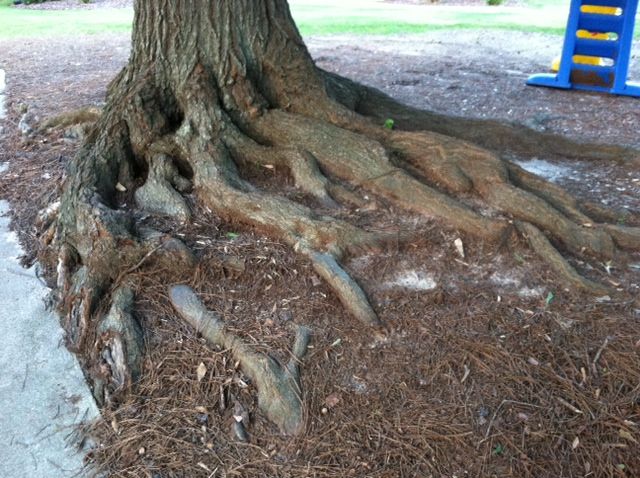
Discovering the tangled network of roots pushing up through your lawn or walkway is a common headache for homeowners and landscapers alike. These exposed roots create an unsightly mess and can even become a tripping hazard, especially for children playing outside. The challenge lies in finding a solution that protects these vital underground structures while restoring a clean and safe visual landscape.
Before rushing to cover them, it is essential to understand why tree roots surface. Typically, this occurs in compacted soil with low oxygen levels, forcing roots upward, or during drought conditions where roots seek moisture closer to the surface. The goal is not to hide the problem but to manage it in a way that supports the tree's health and longevity, ensuring the ground cover you choose works with the tree rather than against it.
Understanding the "Why" Behind Root Management
Effective root management begins with a shift in perspective. You are not merely trying to disguise an eyesore; you are creating an environment that allows the tree to thrive while preventing damage to walkways and foundations. The best approach focuses on moisture retention, soil aeration, and physical protection, avoiding methods that could choke the trunk or invite disease.


Strategic Landscaping with Mulch
Mulch is widely regarded as the gold standard for covering and protecting surface roots. A layer of organic mulch acts as a beneficial blanket, conserving soil moisture, moderating ground temperature, and slowly decomposing to enrich the soil structure. This encourages earthworms and beneficial microbes, which naturally help break up compacted soil around the roots.
- Opt for organic varieties: Shredded bark, wood chips, and pine straw are ideal because they break down over time.
- Proper application is key: Spread the mulch in a layer roughly 2 to 4 inches deep. Piling the mulch directly against the tree trunk, known as "volcano mulching," can cause rot and invite pests.
- Extend the radius: Cover as much of the root zone as possible, extending out to the drip line of the tree for maximum benefit.
Hardscaping Solutions for High-Traffic Areas
In situations where lawnmowers or frequent foot traffic grind down the soil, mulch may not be a durable option. For these high-wear areas, hardscaping provides a practical and aesthetic alternative. The key to success lies in creating a physical barrier that protects the roots while allowing for necessary tree expansion.


Using permeable materials such as gravel, crushed stone, or permeable pavers allows water and air to reach the soil surface. When installing these materials, ensure there is sufficient depth—at least 4 to 6 inches—to prevent the roots from pushing up through the substrate. Additionally, leaving a small gap between the hardscape edge and the tree trunk ensures the bark can breathe and expand naturally.
Ground Covers for Aesthetic Integration
For a more lush and natural look that integrates seamlessly with your existing garden, low-growing ground covers are an excellent option. These plants form a living carpet that protects the soil, suppresses weeds, and soften the visual harshness of exposed roots. The best varieties are shade-tolerant and drought-resistant, reducing the need for constant maintenance.
- Vinca minor: Known for its glossy evergreen leaves and blue flowers, it thrives in shaded root zones.
- English Ivy: A vigorous grower that provides excellent soil coverage, though it can be invasive in some regions.
- Wild Ginger: A slow-spreading plant with heart-shaped leaves that creates a dense mat over time.
- Bunchberry: A native woodland plant that offers white spring blooms and red fall berries.
Avoiding Common Mistakes
When managing tree roots, certain practices can cause more harm than good. It is crucial to never cut major roots that are close to the trunk, as this can destabilize the tree and open it up to fatal diseases. Similarly, planting grass right up against the base of the tree creates a mowing hazard that often leads to trunk damage, which is a leading cause of tree death in urban settings.


Additionally, using non-porous materials like plastic sheeting or dense landscaping fabric is strongly discouraged. These materials prevent water and oxygen from reaching the roots, essentially suffocating the tree and causing long-term decline. The barrier between the mulch and the trunk is vital for preventing moisture buildup that leads to bark decay.
Long-Term Maintenance and Care
Covering roots is not a one-time fix but rather an ongoing process of landscape management. As the tree grows, its root system will expand, and the ground cover may need to be replenished or adjusted. Regularly check the depth of your mulch to ensure it hasn't been eroded or compacted, and refresh the ground cover plants as needed to maintain their density.
By approaching root coverage with a focus on soil health and tree vitality, you transform a potential eyesore into a beautiful, thriving landscape feature. The right combination of mulch, careful hardscaping, and compatible plants ensures that both your property and the tree remain healthy and attractive for years to come.


Related Articles

The Best Ground Covers & Mulch to Cover Exposed Tree Roots Safely
Discovering exposed tree roots in your yard can be a frustrating experience. These raised surfaces disrupt the smooth look of a lawn, create dangerous tripping...
What Can I Use to Cover Tree Roots: Best Solutions for a Healthy Yard
Discovering exposed tree roots in your yard can be frustrating, especially when they disrupt the clean lines of your lawn or pose a tripping hazard. These...
What to Plant to Cover Tree Roots: Best Ground Covers for Lush Protection
Dealing with exposed tree roots in your yard can be a frustrating challenge for any homeowner. These rising roots create an uneven surface that damages lawn...

Shady Garden Bliss: The Ultimate Guide to the Best Ground Cover for Shaded Areas
Optimizing Shaded Spaces: The Best Ground Covers for Low-Light Areas Transforming shaded areas into lush, inviting spaces can be a challenge, but with the...

What to Do with Tree Roots Growing Above Ground: Solutions & Tips
Finding tree roots pushing up through the soil in your yard is a common yet stressful experience for any homeowner. While these visible roots are a natural...
Best Plants to Cover Tree Roots for a Lush, Protected Landscape
Tree roots breaking the surface of your lawn or garden is an all-too-common frustration for homeowners and landscapers alike. These exposed roots create an...