What to Do with Tree Roots Growing Above Ground: Solutions & Tips
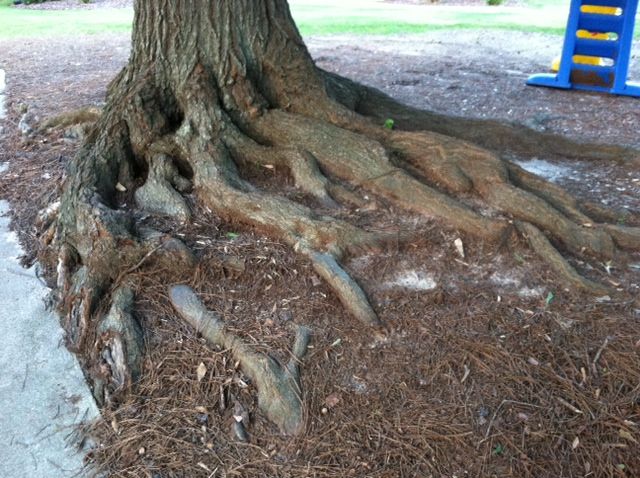
Finding tree roots pushing up through the soil in your yard is a common yet stressful experience for any homeowner. While these visible roots are a natural part of a tree's life-support system, they can create significant practical issues, from damaging lawn mowers to creating dangerous tripping hazards. Understanding why this happens is the first step in managing the problem effectively.
Roots grow above ground primarily because the tree is struggling to meet its basic needs below the surface. Factors such as compacted soil, low oxygen levels, poor drainage, or the presence of hardpan layers force the roots upward in a desperate search for the air and moisture they require. Identifying the specific cause in your landscape is crucial for implementing a long-term solution that goes beyond simple cosmetic fixes.
Immediate Safety and Aesthetic Concerns
Before considering the health of the tree, you must address the immediate hazards these roots present. Exposed roots turn a simple walk across the lawn into a safety risk, particularly for children and the elderly. Furthermore, the roots can wreak havoc on your maintenance efforts, ruining lawn mowers and creating an uneven surface that makes mowing difficult and dangerous.


Managing the Trip Hazard
To mitigate the risk of tripping, you have two primary options: removal or relocation. For smaller, isolated roots, carefully removing the root from the ground is effective, though you must ensure you do not damage the tree's structural integrity by cutting too many major roots. Alternatively, you can level the area by adding a thin layer of topsoil and fine mulch. It is critical to avoid grass clippings, as they can mat down and smother the root's breathing pores, causing the tree further stress.
Long-Term Solutions: Soil Management
Simply covering the roots with grass sod is a temporary fix that usually leads to the death of the grass and the continued deterioration of the tree's health. Grass requires high oxygen levels at the root zone, the exact condition that causes tree roots to seek elevation in the first place. A sustainable approach involves addressing the soil structure itself.


Proper soil management involves aerating the area to break up compaction and improve water infiltration. You can then apply a 2 to 4-inch layer of high-quality mulch over the root zone. Mulch acts as a blanket, retaining moisture, regulating soil temperature, and, as it decomposes, creating a soft, organic environment that encourages roots to grow downward rather than upward. Remember to keep the mulch a few inches away from the trunk itself to prevent rot.
| Solution | Best For | Maintenance Level |
|---|---|---|
Strategic Planting and Maintenance
If the surface roots are causing damage to nearby plants or foundations, strategic planting is the most elegant solution. Rather than fighting the tree's natural biology, work with it by planting shade-tolerant ground covers such as periwinkle, pachysandra, or wild ginger. These plants thrive in the low-light, low-soil-oxygen conditions that tree roots provide, creating a beautiful and protective blanket that hides the ugly roots.
Going forward, be mindful of the root flare—the point where the trunk widens at the base. You should never add soil over this area, as burying it can lead to girdling roots and disease. When managing the area, prioritize the tree's health; a vigorous tree with a healthy root system is better equipped to handle environmental stress, even if some of those roots decide to make an appearance above the soil line.




Related Articles
What to Do With Tree Roots Above Ground: Creative Solutions & Ideas
Finding tree roots pushing up through your lawn, cracking your sidewalk, or creating an uneven surface for mowing is a common and frustrating problem for many...

Creative Ledge Above Door Ideas: Smart Storage & Decor Solutions
Ever found yourself staring at the blank space above your door, wondering what to do with the ledge? You're not alone. This often overlooked area can be...

The Best Ground Covers & Mulch to Cover Exposed Tree Roots Safely
Discovering exposed tree roots in your yard can be a frustrating experience. These raised surfaces disrupt the smooth look of a lawn, create dangerous tripping...
What Can I Use to Cover Tree Roots: Best Solutions for a Healthy Yard
Discovering exposed tree roots in your yard can be frustrating, especially when they disrupt the clean lines of your lawn or pose a tripping hazard. These...

The Best What to Use to Cover Tree Roots: Guide & Tips
Discovering the tangled network of roots pushing up through your lawn or walkway is a common headache for homeowners and landscapers alike. These exposed roots...
What to Plant to Cover Tree Roots: Best Ground Covers for Lush Protection
Dealing with exposed tree roots in your yard can be a frustrating challenge for any homeowner. These rising roots create an uneven surface that damages lawn...