What to Plant to Cover Tree Roots: Best Ground Covers for Lush Protection
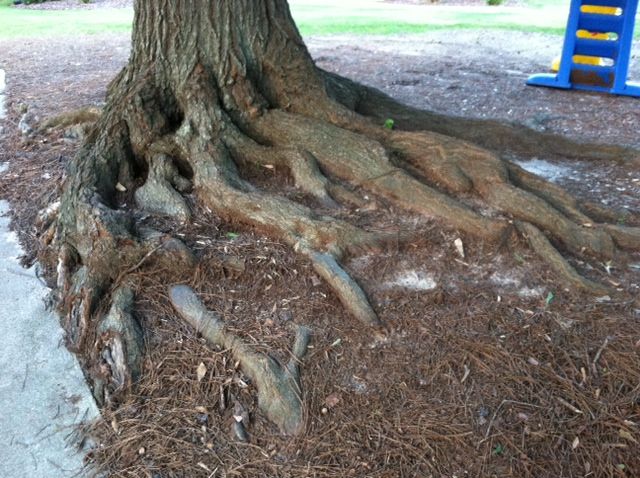
Dealing with exposed tree roots in your yard can be a frustrating challenge for any homeowner. These rising roots create an uneven surface that damages lawn mowers, trips up pedestrians, and prevents proper grass growth. Rather than resorting to damaging lawn chemicals or constant soil filling, the most effective solution is to plant a thoughtful ground cover. Choosing the right plants allows you to work with nature, creating a beautiful and stable landscape that protects the tree's health while eliminating a maintenance headache.
Understanding the Root Zone Challenge
The area around the base of a tree, often referred to as the root flare or drip line, is a sensitive environment. Tree roots require oxygen, moisture, and specific soil conditions to thrive. When you attempt to grow traditional grass in this zone, you are fighting a losing battle. The dense network of roots competes with grass for water and nutrients, while the constant shade and physical disruption prevent the grass from establishing a healthy root system. This struggle results in a thin, patchy lawn that is ultimately unsustainable. The goal of planting ground cover is to create a mutually beneficial relationship where the plants thrive without interfering with the tree's structural integrity.
Selecting Plants for Shade and Dryness
Most tree root zones exist in conditions of heavy shade and dry soil, particularly during the establishment phase. You need species that are naturally adapted to these specific conditions, often found in forest understories. Standard grass seeds or sod will fail here, but there are numerous resilient perennials and shrubs designed for woodland environments. Look for plants that are known for their ability to tolerate low light and handle fluctuations in moisture. These species will spread to cover the bare earth, protecting the soil from erosion and compaction while adding visual interest to an otherwise dull area.


Top Ground Cover Choices
When selecting vegetation, you have two primary categories to consider: low-growing perennials for aesthetic appeal and practical mulch options for immediate protection. Native plants are always the best choice, as they are already adapted to your local climate and soil. They support local pollinators and require less maintenance than imported species. Below is a comparison of popular options to help you decide which route suits your landscape goals.
| Plant Type | Best For | Maintenance Level |
|---|---|---|
| Wild Ginger (Asarum) | Dense shade, glossy foliage | Low |
| Periwinkle (Vinca minor) | Quick erosion control | Medium |
| Hosta varieties | Ornamental texture | Medium |
| Woodland Sedum | Drought tolerance | Low |
Effective Mulching Strategies
If you prefer a non-plant solution or need to protect a newly established tree, organic mulch is the industry standard. Mulch serves as a protective blanket for the roots, regulating soil temperature, retaining moisture, and suppressing weeds. However, the method of application is critical. Volcano mulching—piling mulch high against the trunk—is a common and deadly mistake. This practice traps moisture against the bark, inviting rot and pests. Instead, create a flat ring of mulch that starts a few inches away from the trunk and extends out to the drip line. This "donut" method ensures the roots receive the benefits without risking the health of the tree itself.


Long-Term Maintenance Tips
Once your ground cover is established or your mulch ring is in place, the area requires significantly less attention than a lawn. You should resist the urge to constantly weed or rearrange the plants, as the roots near the surface are fragile. When watering, direct the water toward the base of the tree and the root zone, rather than the foliage. A deep, infrequent soak is far better than frequent shallow watering. Over time, the plants will spread to fill the space, creating a lush, low-effort landscape that coexists peacefully with the tree's structure.
What to Avoid
While it might be tempting to simply lay sod over the roots or plant grass seed, these methods are counterproductive. Grass roots and tree roots are locked in a constant battle for the same resources, and grass will almost always win, sacrificing the tree's health for its own survival. Furthermore, adding soil on top of existing roots can smother them, preventing oxygen exchange essential for survival. If the roots are creating a significant trip hazard, consider professional root grinding rather than attempting to bury the problem with new plants. The health of the tree should always be the primary concern when managing the landscape around its base.




Related Articles

The Best Ground Covers & Mulch to Cover Exposed Tree Roots Safely
Discovering exposed tree roots in your yard can be a frustrating experience. These raised surfaces disrupt the smooth look of a lawn, create dangerous tripping...
What Can I Use to Cover Tree Roots: Best Solutions for a Healthy Yard
Discovering exposed tree roots in your yard can be frustrating, especially when they disrupt the clean lines of your lawn or pose a tripping hazard. These...

The Best What to Use to Cover Tree Roots: Guide & Tips
Discovering the tangled network of roots pushing up through your lawn or walkway is a common headache for homeowners and landscapers alike. These exposed roots...
Best Plants to Cover Tree Roots for a Lush, Protected Landscape
Tree roots breaking the surface of your lawn or garden is an all-too-common frustration for homeowners and landscapers alike. These exposed roots create an...

Shady Garden Bliss: The Ultimate Guide to the Best Ground Cover for Shaded Areas
Optimizing Shaded Spaces: The Best Ground Covers for Low-Light Areas Transforming shaded areas into lush, inviting spaces can be a challenge, but with the...

Best Pergola Covers: Top Solutions for What to Cover a Pergola With
When it comes to enhancing the aesthetic appeal and functionality of your outdoor space, covering a pergola can make a significant difference. A well-covered...