What Can I Use to Cover Tree Roots: Best Solutions for a Healthy Yard
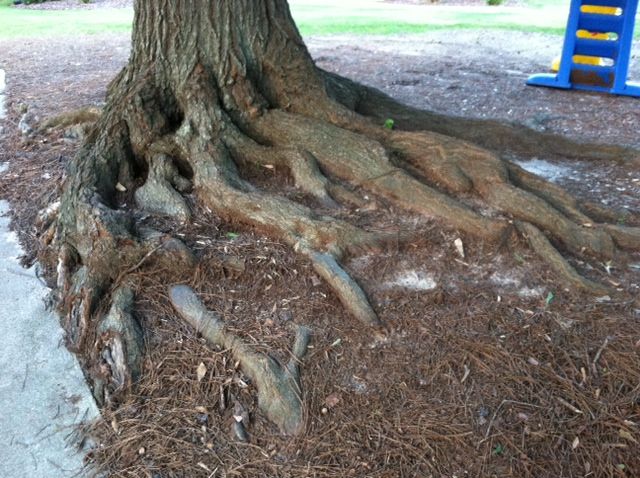
Discovering exposed tree roots in your yard can be frustrating, especially when they disrupt the clean lines of your lawn or pose a tripping hazard. These woody structures are essential for the tree's stability and nutrient uptake, but they can clash with your desire for a smooth, functional landscape. The challenge lies in finding a solution that protects the tree's health while creating a practical and aesthetically pleasing surface for walking or mowing.
Before selecting a covering, it is crucial to understand why you need to address the issue. Mowing over roots can dull blades and damage your equipment, while constant foot traffic can compact the soil, restricting oxygen flow to the roots. Furthermore, exposed roots are vulnerable to physical injury from lawn mowers and string trimmers. The goal is to manage the situation in a way that accommodates both your landscape design and the biological needs of the tree.
Why Mulch is the Gold Standard
When asking what can I use to cover tree roots, professional arborists overwhelmingly recommend mulch. Unlike rigid materials, mulch decomposes and enriches the soil, creating a healthy environment for root growth. It acts as a protective barrier, insulating the roots from extreme temperatures and physical damage. This organic solution helps retain soil moisture, reducing the stress on the tree and minimizing the need for frequent watering.


Choosing the Right Mulch
Not all mulches are created equal, and selecting the wrong type can do more harm than good. Avoid mounds or "volcano" mulching, where the material is piled high against the trunk; this traps moisture and invites rot and pests. Instead, spread the mulch in a shallow layer (no more than 2 to 4 inches deep) and ensure it flares outwards at the base of the tree, maintaining a few inches of clearance from the trunk itself. Shredded bark or hardwood chips are excellent choices for this application.
Inorganic Alternatives for High-Traffic Areas
If you are looking for a more permanent solution that requires less maintenance, inorganic ground covers are a viable option for covering tree roots. These materials do not break down and therefore do not improve the soil, but they excel at creating a stable, walkable surface. This approach is ideal for pathways, seating areas, or zones where heavy foot traffic is expected. The key is to ensure the tree's health is not compromised by the installation process.


| Ground Cover Option | Best Use Case |
|---|---|
Planting as a Functional Cover
For a more natural and vibrant solution, consider planting low-growing groundcover plants specifically adapted to shade and root competition. This method effectively covers the soil while adding visual interest and supporting local ecosystems. However, this option requires careful plant selection and establishment, as the tree roots will dominate the available moisture and nutrients.
Suitable Plant Choices
When choosing plants to grow over tree roots, opt for tough, shade-tolerant species that form a dense mat. Wild ginger, violet wood sorrel, or specific cultivars of aster and bergenia are excellent examples. Avoid plants with aggressive spreading habits or those that require frequent division, as the maintenance might disturb the tree. Water these new plantings deeply but infrequently to encourage the roots to grow downward rather than competing with the tree's shallow roots.
What to Absolutely Avoid
While it might seem logical to try to level the roots by cutting them or covering them with large amounts of soil, these methods are detrimental to the tree's long-term health. Severing roots can destabilize the tree and create entry points for disease. Similarly, adding soil over the roots—a practice known as "fill"—can suffocate the root system by depriving it of oxygen. Understanding these pitfalls helps narrow down the safe and effective options available.


Ultimately, the best method depends on the specific tree species, the size of the roots, and how the space will be used. For high-traffic lawn areas, a simple layer of mulch is usually sufficient. For walkways or patios, a combination of gravel or pavers offers the durability needed. By prioritizing the tree's health during the covering process, you ensure that the landscape remains safe and beautiful for years to come.


Related Articles

The Best Ground Covers & Mulch to Cover Exposed Tree Roots Safely
Discovering exposed tree roots in your yard can be a frustrating experience. These raised surfaces disrupt the smooth look of a lawn, create dangerous tripping...
The Best What to Use to Cover Tree Roots: Guide & Tips
Discovering the tangled network of roots pushing up through your lawn or walkway is a common headache for homeowners and landscapers alike. These exposed roots...
What to Plant to Cover Tree Roots: Best Ground Covers for Lush Protection
Dealing with exposed tree roots in your yard can be a frustrating challenge for any homeowner. These rising roots create an uneven surface that damages lawn...
What to Do With Tree Roots Above Ground: Creative Solutions & Ideas
Finding tree roots pushing up through your lawn, cracking your sidewalk, or creating an uneven surface for mowing is a common and frustrating problem for many...
What to Do with Tree Roots Growing Above Ground: Solutions & Tips
Finding tree roots pushing up through the soil in your yard is a common yet stressful experience for any homeowner. While these visible roots are a natural...
Best Plants to Cover Tree Roots for a Lush, Protected Landscape
Tree roots breaking the surface of your lawn or garden is an all-too-common frustration for homeowners and landscapers alike. These exposed roots create an...