Best Plants to Cover Tree Roots for a Lush, Protected Landscape
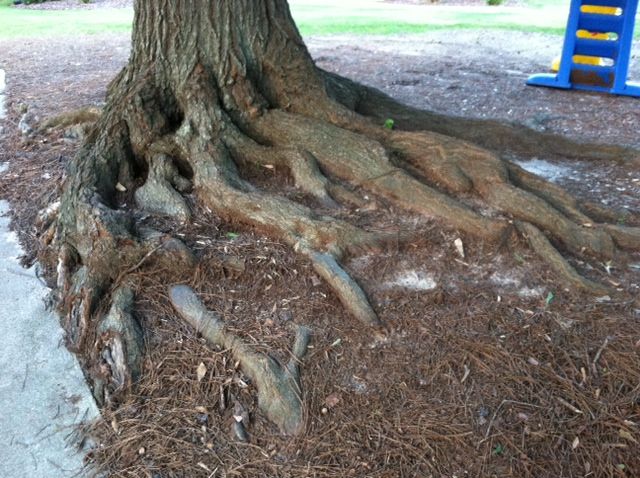
Tree roots breaking the surface of your lawn or garden is an all-too-common frustration for homeowners and landscapers alike. These exposed roots create an unsightly mess, make mowing a chore, and can even trip up the unsuspecting. Fortunately, the solution does not have to be a total excavation project; strategic planting of ground cover plants offers an elegant way to protect these roots while adding texture and color to your landscape.
Before selecting your botanical allies, it is essential to understand the enemy you are working with. Not all tree roots are created equal, and their behavior is largely dictated by the species of the tree and the quality of the soil. In many cases, roots are simply searching for oxygen, which draws them to the surface in areas where the soil is compacted or lacking in nutrients.
Why Covering Roots Matters
The Science of SurvivalTree roots are not inherently malicious; they follow the science of respiration. When soil is compacted or waterlogged, oxygen levels drop, forcing roots to migrate toward the surface where air is more abundant. By covering these roots with a suitable ground cover, you achieve two goals at once: you protect the delicate root hairs from physical damage, and you create a cooler, more humid microclimate that encourages the roots to stay beneath the surface.


Ignoring the problem, however, can lead to long-term damage. Mowing over roots can slice through them, creating open wounds that invite disease and pests. Furthermore, the constant disturbance of the soil surface leads to increased erosion, washing away the precious topsoil that keeps your tree healthy. Using plants to stabilize the soil is a proactive approach to preserving the structural integrity of the tree.
Selecting the Right Ground Cover
Choosing the correct plant requires a delicate balance between aesthetics and horticulture. You need a species that thrives in the specific light conditions under your tree while being robust enough to compete with weeds. Below is a comparison of some of the most effective options available to gardeners.


| Plant Name | Light Conditions | Height | Best For |
|---|---|---|---|
| Wild Ginger (Asarum) | Full to Partial Shade | 4-6 inches | Dry, acidic soils under hardwoods |
| Vinca Minor | Partial to Full Shade | 6-8 inches | Erosion control on slopes |
| English Ivy (Hedera) | Shade to Full Sun | 6-12 inches (climbing) | Vertical interest on walls |
| Pachysandra | Full to Partial Shade | 6-12 inches | Dense weed suppression |
| Mazus | Partial Sun/Shade | 3-5 inches | Moist, well-drained soils |
| Ajuga (Bugleweed) | Partial Shade | 4-6 inches | Adding spring color |
Shade Lovers and Dry Conditions
Most tree canopies create dense shade, which eliminates the option of sun-loving ground covers. Wild Ginger is a favorite among landscapers for its heart-shaped leaves and ability to spread slowly without becoming invasive. It is particularly effective under Sugar Maples and Oaks, where the soil tends to be dry and acidic. Similarly, native Ferns provide a graceful, textural element that mimics the forest floor, creating a natural look that feels cohesive with the tree.
Managing Moisture and Competition
While the roots are vying for oxygen, the ground cover plants will be competing for water and nutrients. This means you must prepare the planting area carefully. Digging small holes rather than large trenches minimizes damage to the tree's roots. Amend the soil with compost to ensure the new plants get a strong start, but avoid piling soil over the existing roots, as this can suffocate the tree. Plants like Pachysandra and Vinca are vigorous spreaders that will quickly form a dense mat, outcompeting weeds and protecting the bark from string trimmer damage.
For areas with moderate shade or dappled sunlight, you might consider planting low-growing perennials like Mazus or Ajuga. These plants offer the visual benefit of flowers—blues, purples, and whites—without demanding too much moisture away from the tree. The key to success lies in managing expectations: the area under a tree will never be as lush as a flower bed in open ground, but with the right selection, it can be a beautiful and functional landscape feature.




Related Articles
What to Plant to Cover Tree Roots: Best Ground Covers for Lush Protection
Dealing with exposed tree roots in your yard can be a frustrating challenge for any homeowner. These rising roots create an uneven surface that damages lawn...

The Best Ground Covers & Mulch to Cover Exposed Tree Roots Safely
Discovering exposed tree roots in your yard can be a frustrating experience. These raised surfaces disrupt the smooth look of a lawn, create dangerous tripping...
What Can I Use to Cover Tree Roots: Best Solutions for a Healthy Yard
Discovering exposed tree roots in your yard can be frustrating, especially when they disrupt the clean lines of your lawn or pose a tripping hazard. These...

The Best What to Use to Cover Tree Roots: Guide & Tips
Discovering the tangled network of roots pushing up through your lawn or walkway is a common headache for homeowners and landscapers alike. These exposed roots...

The Best Outdoor Perennial Plants for Ground Cover: Low-Maintenance Beauty
Transform your outdoor space into a lush, vibrant haven with the strategic use of outdoor perennial plants for ground cover. These hardy, low-maintenance...

Best Terrace Plants for a Lush Green Balcony Garden
Transforming Urban Spaces: Plants Suitable for Terraces In the heart of bustling cities, terraces offer a unique opportunity to bring nature into our homes...