How to Cover Tree Roots: 10 Easy Steps for a Flawless Finish
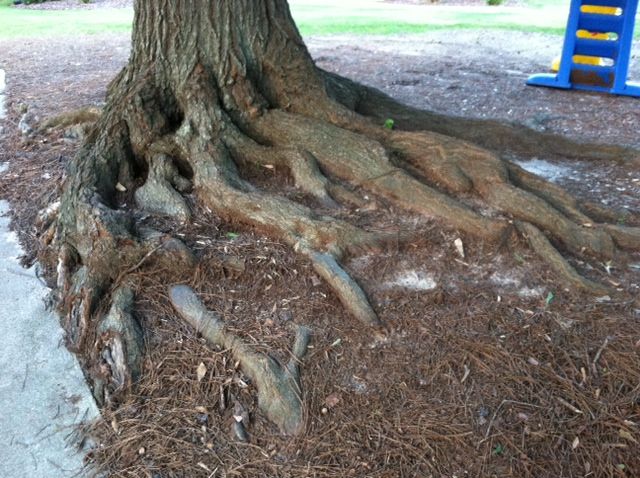
Dealing with exposed tree roots in your yard is a common challenge for homeowners who want to maintain a healthy lawn and safe outdoor space. These roots emerge for several reasons, including compacted soil, lack of adequate oxygen, or simply the tree’s natural growth pattern. While they may seem like an eyesore or a tripping hazard, removing them entirely is rarely the answer, as it can severely damage the tree's stability and health. The goal is to cover tree roots in a way that protects the tree, enhances your landscape, and creates a functional area for walking or mowing.
Understanding why roots rise to the surface is the first step in effective management. In urban and suburban environments, soil is often compacted and filled with obstacles like pipes or other infrastructure, preventing roots from growing downward. As the tree searches for water and nutrients, it expands horizontally near the surface. Additionally, heavy rainfall or flooding can wash away topsoil, exposing the roots, while drought conditions can cause the surrounding soil to shrink and sink, leaving the roots high and dry. Identifying the cause helps you choose the right solution that supports the tree's long-term viability.
Why You Should Avoid Simple Mulch Volcanoes
It is tempting to pile soil or mulch directly over the roots to hide them, but this practice, often called a "mulch volcano," is harmful to the tree. Piling material against the trunk damages the bark, creating a moist environment for pests and diseases. Furthermore, roots need oxygen to breathe, and smothering them with thick soil can lead to root rot and decline. Instead, the focus should be on gentle ground cover methods that allow the roots to remain exposed to air while integrating seamlessly with your landscape design.


The Strategy of Ground Cover Planting
One of the most effective and aesthetically pleasing ways to cover tree roots is to plant shade-tolerant ground cover plants. This method creates a living mulch that suppresses weeds, retains soil moisture, and adds visual interest to a difficult spot. You want to select species that thrive in dry, shaded conditions and do not require frequent deep watering. As the plants establish, their foliage will spread over the root zone, softening the hard lines and creating a natural transition between the tree and your lawn.
- Common options include Periwinkle (Vinca minor), which offers evergreen foliage and blue flowers.
- Pachysandra is another excellent choice for dense coverage in shady areas.
- Ajuga provides colorful leaves and rapid growth to fill in gaps.
- For a more natural look, Wild Ginger or Liriope can be used to create a low, lush carpet.
The Right Way to Apply Mulch
If you prefer a more minimalist approach or need a surface for foot traffic, applying mulch correctly is essential. Rather than burying the roots, you should create a wide, shallow bed of organic mulch around the base. Extend the mulch to the tree's drip line—the outer edge of the branches—to mimic the natural root zone. Keep the mulch a few inches away from the trunk to allow for air circulation. This depth retains moisture, regulates soil temperature, and slowly decomposes to add nutrients back to the soil.


| Method | Best For | Pros |
|---|---|---|
| Ground Cover Plants | Aesthetics and Erosion Control | Adds beauty, requires less watering once established |
| Shallow Mulch Layer | Weed Suppression and Moisture Retention | Easy to install, improves soil health |
| Stepping Stones or Pavers | High Traffic Areas | Prevents tripping, allows for mowing |
Hardscaping with Stepping Stones
For areas with heavy foot traffic, such as between a patio and a path, installing stepping stones is a practical solution. This hardscaping option prevents soil compaction around the roots while protecting your lawn. When laying the stones, ensure you place them on stable ground rather than on the roots themselves to avoid breaking them. You can fill the gaps between the stones with low-growing ground cover or moss to create a cohesive and visually appealing walkway that respects the tree's structure.
Ultimately, covering tree roots is about balance and respect for the tree's biology. By avoiding soil compaction, choosing the right plants, and using materials wisely, you can transform a problematic root zone into a beautiful and safe feature of your landscape. The health of the tree should always be the priority, as a thriving tree provides shade, value, and beauty to your property for generations to come.


Related Articles

How to Propagate Pothos Without Roots: Easy Steps
Propagating pothos without roots is one of the most satisfying skills a plant enthusiast can develop, turning what might seem like a hopeless cutting into a...
The Best Ground Covers & Mulch to Cover Exposed Tree Roots Safely
Discovering exposed tree roots in your yard can be a frustrating experience. These raised surfaces disrupt the smooth look of a lawn, create dangerous tripping...
What Can I Use to Cover Tree Roots: Best Solutions for a Healthy Yard
Discovering exposed tree roots in your yard can be frustrating, especially when they disrupt the clean lines of your lawn or pose a tripping hazard. These...
Creative Ideas to Cover Tree Roots Effectively
Homeowners and landscapers often face the challenge of exposed tree roots. These raised surfaces disrupt lawns, create trip hazards, and complicate mowing...
The Best What to Use to Cover Tree Roots: Guide & Tips
Discovering the tangled network of roots pushing up through your lawn or walkway is a common headache for homeowners and landscapers alike. These exposed roots...
Best Plants to Cover Tree Roots for a Lush, Protected Landscape
Tree roots breaking the surface of your lawn or garden is an all-too-common frustration for homeowners and landscapers alike. These exposed roots create an...