Creative Ideas to Cover Tree Roots Effectively
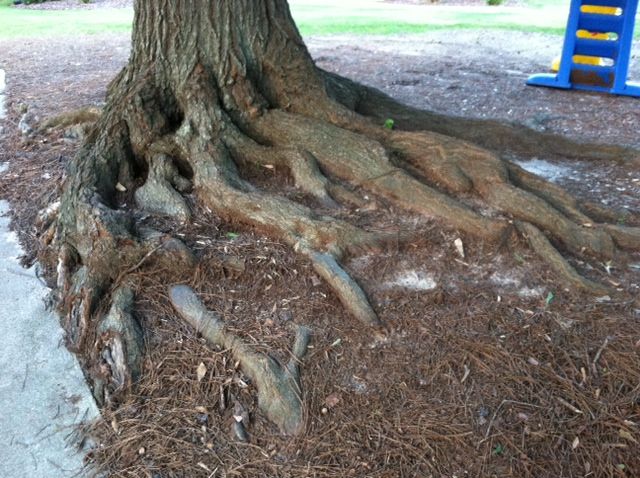
Homeowners and landscapers often face the challenge of exposed tree roots. These raised surfaces disrupt lawns, create trip hazards, and complicate mowing. Finding effective ideas to cover tree roots is essential for both safety and aesthetics. The goal is to protect the tree's health while creating a stable and visually pleasing surface.
Understanding the Root System
Before implementing any solution, it is crucial to understand why roots rise to the surface. Trees naturally develop shallow root systems near the soil surface to access oxygen and nutrients. When soil is compacted, eroded, or lacks nutrients, roots grow closer to the ground in search of resources. Ignoring this growth can damage the tree, leading to stress or death. Therefore, any cover method must allow for air and water exchange to sustain the plant.
Mulching as a Natural Solution
One of the most effective and recommended ideas to cover tree roots involves using organic mulch. A layer of mulch mimics the forest floor, creating a stable environment for roots. This method suppresses weeds, retains moisture, and slowly decomposes to enrich the soil. When applying mulch, create a ring around the tree base without piling it against the trunk. This "volcano mulching" can cause rot and invite pests.


- Spread a 2 to 4-inch layer of shredded bark or wood chips.
- Keep the mulch a few inches away from the trunk to ensure airflow.
- Extend the mulch bed to the drip line for optimal root coverage.
Planting Ground Cover Species
Selecting the Right Plants
For a more vibrant approach, planting ground cover is a strategic idea to cover tree roots. This option adds color and texture while protecting the soil. You must select plants that thrive in shade and dry conditions, as tree roots consume most available water. Good candidates include wild ginger, periwinkle, or specific fern varieties. Ensure the plants are compatible with your climate to guarantee long-term success.
Incorporating Hardscaping Features
When a clean, modern look is preferred, hardscaping offers a durable solution to manage exposed roots. Pavers, bricks, or stepping stones can be installed to create a stable walking surface. The key here is to leave a slight gap between the hard surface and the soil. This gap accommodates root movement and prevents the slabs from cracking. Using permeable materials allows water to filter through, reducing the risk of root suffocation.


Adjusting Soil Composition
Improving the soil quality can encourage roots to grow deeper rather than remaining shallow. Compacted soil lacks the structure roots need to penetrate deeper layers. By adding topsoil and organic compost, you create a richer environment that invites downward growth. This method requires careful grading to direct water away from the trunk. It is a proactive way to level the surface while feeding the tree.
Using Decorative Rocks and Pebbles
For low-maintenance coverage, decorative rocks provide an excellent visual barrier. River rocks or pea gravel create a neutral backdrop that masks the irregular surface of roots. This idea is particularly useful in dry climate gardens where mulch decomposes quickly. Ensure the rock layer is deep enough to suppress weeds and provide a stable walking surface. Avoid using limestone if your soil is already alkaline, as it can alter the pH balance.
Safety and Maintenance Considerations
Regardless of the method chosen, safety remains a priority when dealing with uneven terrain. Tripping hazards should be minimized, especially in high-traffic areas. Regularly inspect covered areas to ensure the tree is not stressed. Signs of distress include yellowing leaves or thinning canopy. If the ground cover fails, reassess the moisture levels and root health to adjust your strategy accordingly.


Related Articles
Creative Ideas to Hide Tree Roots Effectively
Exposed tree roots present a common challenge for homeowners and landscapers, transforming a natural feature into a tripping hazard and complicating lawn care...
Creative Landscaping Ideas to Hide Tree Roots Fast
Discovering large, woody roots breaking through the lawn is a common frustration for homeowners who want a pristine, walkable yard. Rather than viewing these...
Creative Landscape Ideas Around Tree Roots
Beneath the soil, a complex network of roots sustains a tree, yet this vital system often creates challenges for the surrounding landscape. Transforming these...
Creative Landscaping Ideas Around Tree Roots - Transform Your Yard
Tree roots create a unique set of challenges for any landscape, pushing up sidewalks and smothering grass. Rather than viewing these exposed roots as an...
Creative Landscaping Ideas for Exposed Tree Roots
Discovering a network of exposed tree roots in your yard can feel like an unexpected obstacle course for your landscaping plans. These visible roots often...
What to Do With Tree Roots Above Ground: Creative Solutions & Ideas
Finding tree roots pushing up through your lawn, cracking your sidewalk, or creating an uneven surface for mowing is a common and frustrating problem for many...