What Tonic Goes With Raspberry Gin: The Perfect Pairing Guide
The classic pairing of raspberry gin with tonic water is a testament to simplicity, letting the vibrant, jammy notes of the spirit shine through. This timeless combination forms the foundation of countless cocktails, offering a crisp and effervescent canvas that enhances the fruit's natural sweetness. While tonic is the undisputed champion, the world of mixology offers a spectrum of alternatives that can elevate the drink to new heights.
The Classic Foundation: Tonic Water
Tonic water remains the go-to choice for a reason; its unique bitter-sweet profile, derived from quinine, provides the perfect counterpoint to the fruity acidity of raspberry gin. The carbonation acts as a palate cleanser, ensuring each sip feels refreshing rather than cloying. For a straightforward and reliably delicious experience, a high-quality tonic is non-negotiable.
Flavor Variations to Consider
Not all tonics are created equal, and the specific botanical composition can significantly influence the final glass. A standard tonic offers a clean, sharp bitterness, while a premium or "diet" tonic uses natural sweeteners like agave or stevia, creating a smoother, less harsh finish. For a more aromatic experience, look for tonic waters infused with citrus or floral notes, which can add another layer of complexity to the raspberry base.


Sophisticated Alternatives: Sparkling Wines & Lemonade
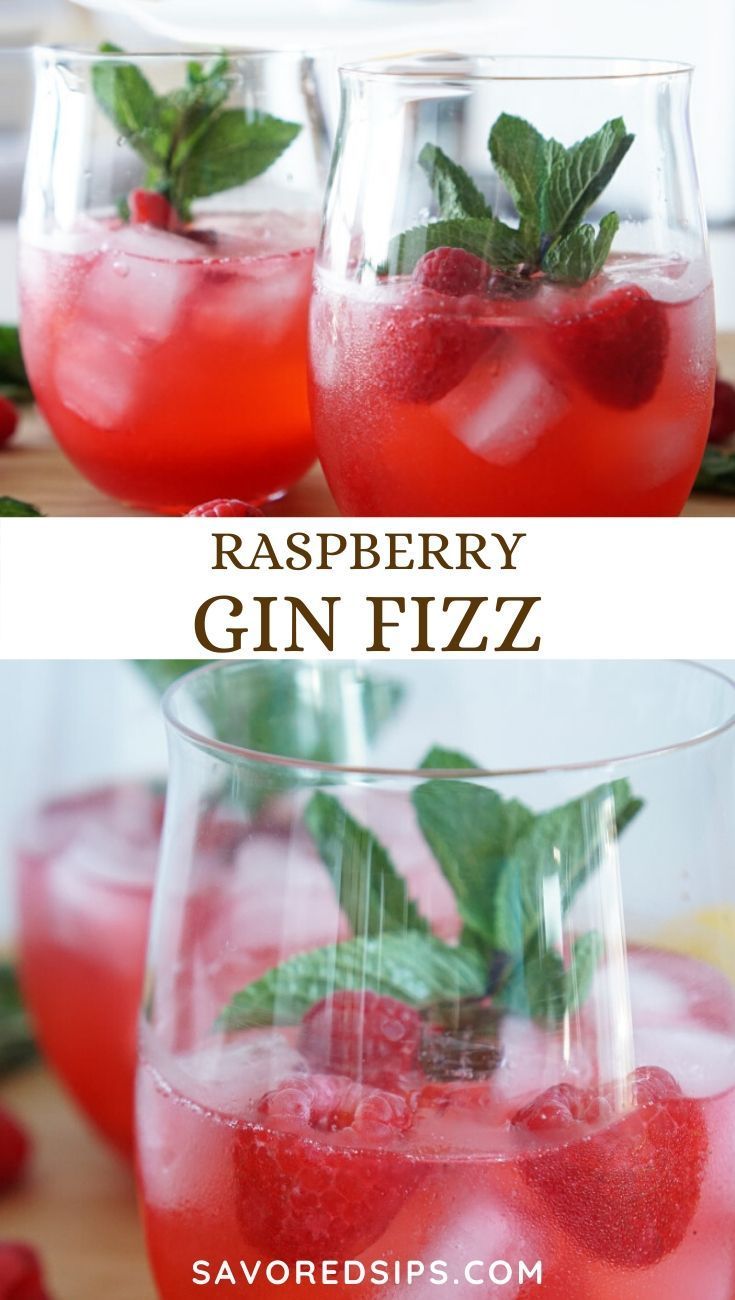
For those seeking a more elegant experience, replacing tonic with dry sparkling wine transforms the drink into a sophisticated cocktail. The bready, toasty notes of Champagne or Prosecco complement the tart fruit beautifully, adding a luxurious texture and celebratory feel. Similarly, a splash of classic lemonade introduces a creamy sweetness that rounds out the sharp edges of the gin, resulting in a drink that is both nostalgic and refined.
Building the Perfect Balance
When using sparkling wine, a 60/40 ratio of gin to wine is a excellent starting point to preserve the character of the spirit without overwhelming the bubbles. With lemonade, it is best to mix the gin over ice first and then top up, allowing you to adjust the sweetness to your personal preference. Freshly squeezed lemon juice can also be used for a drier, more vibrant profile.


Beyond the standard offerings, specific flavor profiles can create truly inspired pairings. A ginger beer or spicy tonic introduces a welcome warmth and zing that cuts through the sweetness of the raspberry, making for a dynamic and invigorating drink. Even a simple syrup or floral water can turn a basic mixture into a complex, restaurant-quality cocktail.
Herbal & Botanical Enhancements
Raspberry gin is often already a robust botanical creation, so enhancing it with complementary herbs can feel like a natural progression. Muddling a sprig of fresh rosemary or thyme at the bottom of the glass adds an earthy, aromatic quality that is particularly striking when paired with a tonic or soda. The herbal notes bridge the gap between the fruit and the medicinal qualities of the spirit.
Ultimately, the best mixer for raspberry gin is the one that aligns with your personal taste preferences and the occasion. Whether you choose the sharp simplicity of tonic, the celebratory bubbles of wine, or the spicy kick of ginger ale, the versatility of the spirit ensures a delicious outcome every time.


Related Articles
The Perfect Tonic for Blackberry & Raspberry Gin: Ultimate Mix Guide
Blackberry and raspberry gin presents a delightful paradox in the glass; it is at once vibrant and delicate, aggressively fruity yet elegantly restrained. To...

The Perfect Gin Pairing: Rhubarb & Raspberry Tonic Recipe
The interplay between botanical spirits and seasonal produce is a fascinating frontier in the world of mixology, and the rhubarb and raspberry tonic is a prime...
Best Tonic for Raspberry Gin: Perfect Pairings Revealed
Finding the ideal tonic to pair with raspberry gin is about more than just quenching your thirst. The goal is to amplify the fruit's natural sweetness and...

The Perfect Cheese Pairing for Watercress: A Flavor Guide
Pairing Cheese with Watercress: A Fresh and Flavorful Combination Watercress, a peppery and refreshing green, is often overlooked as a mere garnish. However...

Perfect Sauce for Eggs and Potatoes: Ultimate Pairing Guide
Elevate Your Breakfast: The Best Sauces for Eggs and Potatoes Eggs and potatoes are a classic breakfast duo, offering a perfect balance of protein and...

Perfect Sauce for Perogies and Sausage: Ultimate Guide
Few culinary pairings are as satisfying as a plate of perogies and sausage. The soft, pillowy dough of the dumplings provides a perfect contrast to the savory...