The Perfect Gin Pairing: Rhubarb & Raspberry Tonic Recipe
The interplay between botanical spirits and seasonal produce is a fascinating frontier in the world of mixology, and the rhubarb and raspberry tonic is a prime example. This vibrant, tart, and slightly sweet combination demands a equally expressive partner, which is where gin steps in. Selecting the right bottle is less about rigid rules and more about understanding the flavor architecture of both the fruit and the spirit.
Deconstructing the Rhubarb and Raspberry Tonic
To find the perfect gin, it is essential to understand the flavor profile you are working with. Rhubarb is a unique ingredient, boasting a bold, mouth-puckering tartness reminiscent of green apple and strawberry, but with a distinct vegetal note. Raspberry, on the other hand, provides a softer, jammy sweetness and a fragrant aroma that bridges the gap between fruit and floral. A tonic water adds its own bitter quinine backbone and effervescence. The ideal gin must cut through the intensity of the rhubarb while harmonizing with the delicate sweetness of the raspberry.
Hendrick’s: The Floral Powerhouse
For many, the answer to the rhubarb and raspberry question is Hendrick’s Gin. Its signature inclusion of cucumber and rose petals creates an elegant bridge between the sharp fruit and the tonic’s bitterness. The pronounced floral character enhances the raspberry’s perfume, while the cooling cucumber note provides a refreshing counterpoint to the rhubarb’s aggressive tang. This makes it a top choice for a cocktail that aims for aromatic complexity rather than just a straightforward fruit bomb.


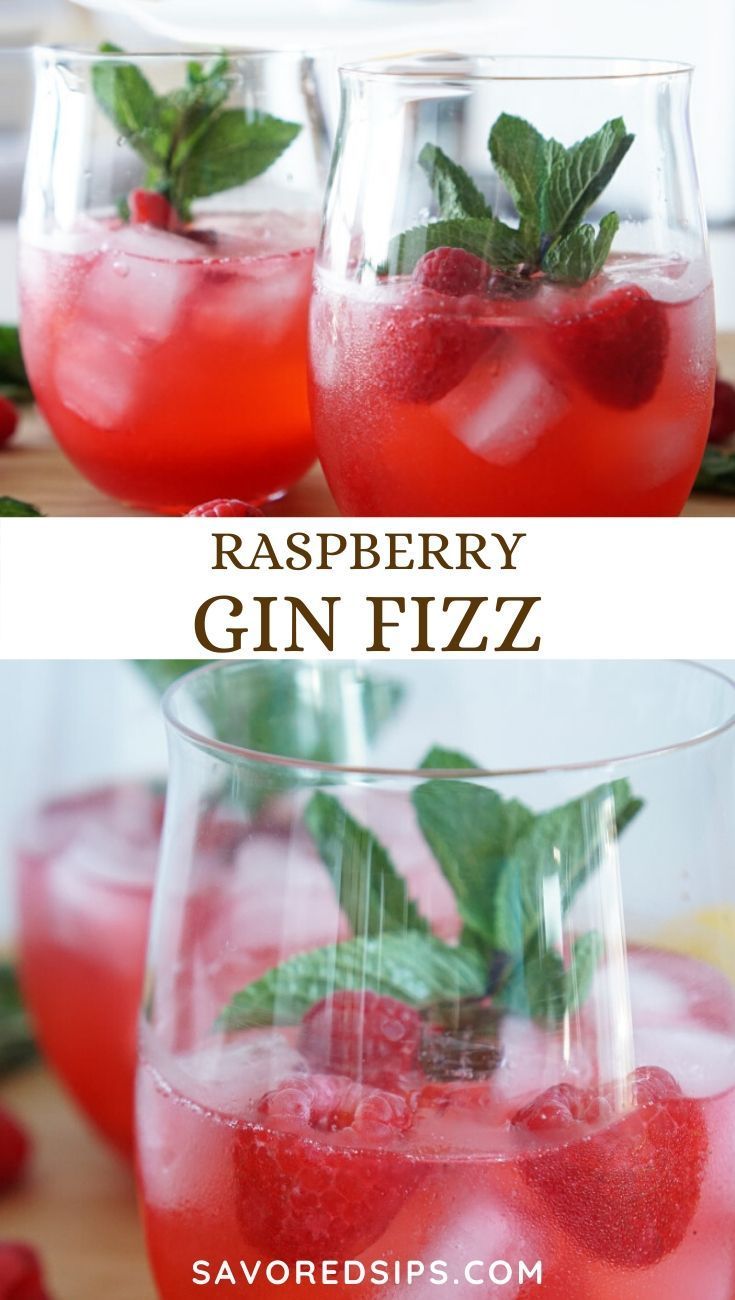
Elemental Botanicals: A Perfect Flavor Mirror
Distiller Anette Elklit created Elemental Botanicals specifically to complement challenging ingredients like rhubarb. Their use of foraged Scottish heather and botanicals such as bog myrtle results in a gin that is earthy, spicy, and resolutely "of the landscape." This terroir-driven profile mirrors the natural, almost rustic quality of the rhubarb-raspberry duo. The spirit is robust enough to stand up to the fruit’s intensity without being overwhelmed, making it a sophisticated choice for a modern classic.
Beefeater: The Reliable Citrus Standard
Not every interaction between gin and fruit needs to be complex. Beefeater, a London Dry gin, offers a classic, no-nonsense approach. Its prominent notes of lemon peel, juniper, and orris root provide a bright, zesty framework that cleanses the palate of the tonic’s sweetness. This style allows the pure, unadulterated flavor of the rhubarb and raspberry to shine through, creating a balanced and crowd-pleasing beverage. It is the dependable workhorse of the gin cabinet.


The Interactive Element of Plymouth Gin
Plymouth Gin holds a Protected Designation of Origin, giving it a distinct softness and earthiness compared to its London Dry counterparts. Its lower alcohol content and richer texture create a creamy, mouth-coating sensation that pairs beautifully with the fibrous texture of rhubarb. The spirit’s inherent spice notes, derived from a specific blend of roots and botanials, interact dynamically with the tonic water, creating a swirling, evolving taste experience that is greater than the sum of its parts.
| Gin Style | Flavor Profile | Best Paired With |
|---|---|---|
| Floral (e.g., Hendrick’s) | Rose, cucumber, peppery | Raspberry jam, honey tonic |
| Citrus (e.g., Beefeater) | Lemon, pine, crisp | Fresh rhubarb slices, simple syrup |
| Earthy (e.g., Elemental Botanicals) | Heather, spice, woodland | Spiced tonic, ginger garnish |
Ultimately, the journey to the perfect gin is a personal one, dictated by your palate’s preference for floral, citrus, or earthy notes. Whether you reach for the ethereal rose of Hendrick’s or the sturdy spice of an artisanal London Dry, the combination of gin with rhubarb and raspberry tonic is a testament to the versatility of the botanical spirit.


Related Articles
What Tonic Goes With Raspberry Gin: The Perfect Pairing Guide
The classic pairing of raspberry gin with tonic water is a testament to simplicity, letting the vibrant, jammy notes of the spirit shine through. This timeless...
Best Tonic for Raspberry Gin: Perfect Pairings Revealed
Finding the ideal tonic to pair with raspberry gin is about more than just quenching your thirst. The goal is to amplify the fruit's natural sweetness and...

The Perfect Tonic for Blackberry & Raspberry Gin: Ultimate Mix Guide
Blackberry and raspberry gin presents a delightful paradox in the glass; it is at once vibrant and delicate, aggressively fruity yet elegantly restrained. To...

What Goes with Watercress: Perfect Pairings for Your Next Recipe
Watercress, a peppery and refreshing green, is often underrated but packs a punch in the culinary world. With its distinct flavor and numerous health benefits...

The Perfect Salad Pairing for Perogies: Crisp, Cool & Flavorful
Few culinary combinations are as satisfying as a heaping plate of perogies paired with the right salad. The rich, doughy texture of the dumplings, whether...

What Color Goes With Pink: Perfect Pairing Ideas
Pink is a surprisingly versatile color, capable of evoking everything from playful romance to sophisticated calm. The question of what color goes with pink...