Best Tonic for Raspberry Gin: Perfect Pairings Revealed
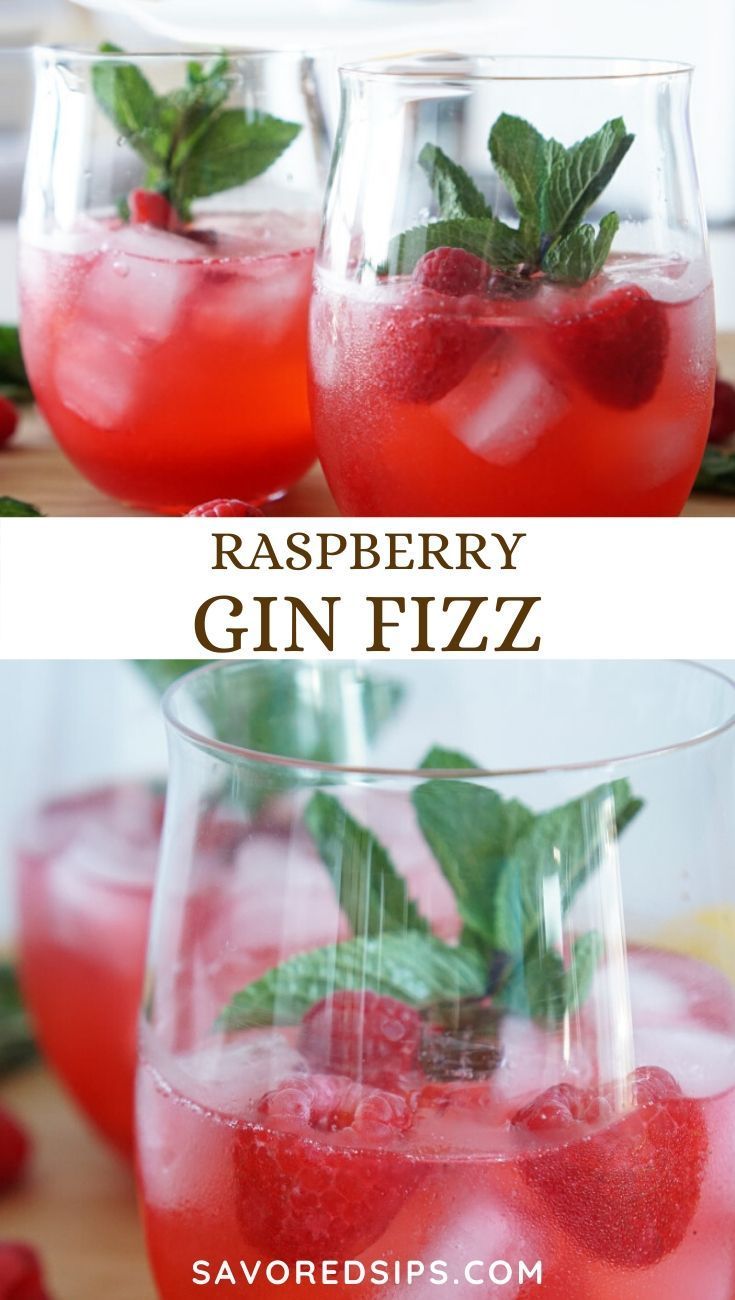
Finding the ideal tonic to pair with raspberry gin is about more than just quenching your thirst. The goal is to amplify the fruit's natural sweetness and delicate floral notes while providing the necessary structure to create a sophisticated and well-balanced cocktail. The perfect companion acts as a counterpoint, offering a crisp, refreshing bitterness and a sparkling texture that cleanses the palate with every sip.
When considering what tonic goes best with raspberry gin, you must first understand the flavor profile of the spirit itself. Raspberry gin is typically categorized as a fruit-forward gin, which means the botanical backbone of the gin—often featuring notes of juniper, citrus, and sometimes subtle spice—serves as a canvas for the vibrant, jammy character of the raspberry. This means your tonic choice should complement, not compete with, these distinct fruit and herbaceous elements.
Classic Tonic Water: The Time-Honored Staple
For the purist and the traditionalist, high-quality tonic water remains the undisputed champion in the battle of what goes best with raspberry gin. The quinine provides a gentle, bitter backbone that effectively balances the intense sweetness of the raspberry, while the carbonation acts as a powerful cleansing agent. This classic combination allows the primary flavors to shine without overwhelming the senses.


Choosing the Right Quinine Level
Not all tonic waters are created equal, and this distinction is critical to your success. You should consider the quinine content, which dictates the bitterness level. A standard tonic offers a balanced profile, while a "dry" tonic has a more assertive bitter edge that can stand up to the robust flavor of raspberry gin. For a truly premium experience, seek out tonic waters made with natural botanicals and real cinchona bark, as they provide a more complex and integrated flavor compared to their overly sweetened counterparts.
Elevating the Experience: Sparkling Wine & Champagne
If you are seeking to transform your drink into a celebratory toast, swapping standard tonic for sparkling wine or champagne is arguably the most elegant solution. The effervescence from the bubbles performs the same palate-cleansing function as tonic, but it adds a layer of toasty, brioche-like notes and luxurious mousse that tonic water simply cannot replicate. This pairing turns a simple gin and fruit drink into a festive cocktail.


The Prosecco Advantage
Prosecco, in particular, is a stellar match for raspberry gin. Its light body and gentle fizz integrate seamlessly with the fruit, while the wine’s inherent notes of green apple and pear create a beautiful flavor bridge. This combination results in a drink that is visually stunning, with a vibrant pink hue, and offers a texture that is both indulgent and refreshingly light.
| Tonic Option | Flavor Profile | Best For |
|---|---|---|
| Classic Tonic Water | Bitter, sweet, herbal | Traditionalists who enjoy a straightforward, balanced drink |
| Gin & Tonic (2:1) | Stronger gin presence, pronounced botanicals | Those who prefer a less sweet, more spirit-forward cocktail |
| Sparkling Wine/Champagne | Bready, toasty, high acidity | Celebrations and special occasions |
| Prosecco | Fruity, light, apple/pear notes | A vibrant and elegant balance of sweetness and bubbles |
Exploring the Herbal Frontier: Aperol & Campari
For those willing to venture beyond the basics, bitter Italian aperitifs like Aperol and Campari offer a thrilling alternative in the quest for what is the best match. These liqueurs introduce a sophisticated layer of complexity, turning a simple glass of gin and fruit into a complex cocktail known in Italy as a "Raspberry Negroni" variant.
The intense bitterness of Campari or the lighter, orange-forward sweetness of Aperol creates a dramatic flavor shift. The herbal notes in these liqueurs interact with the botanicals in the gin, while the bitter edge cuts through the sweetness of the raspberry, resulting in a drink that is both sophisticated and highly addictive. This is the go-to choice for those who find standard tonic water too mild.


The Citrus Synergy: Lemonade & Sour Mix
Sometimes, the best way to highlight a berry is to add another fruit. Lemonade or a basic sour mix provides a bright, zesty citrus component that plays exceptionally well with raspberry gin. The tartness of the lemon elevates the natural sweetness of the raspberry, creating a flavor profile that is familiar yet vibrant, similar to a classic Berry Lemonade but with the depth of gin.
This combination is exceptionally refreshing on a hot day. The citrus acts as a highlighter, making the fruit notes pop on the palate. If you choose to go this route, ensure your lemonade is freshly squeezed or of high quality to avoid artificial flavors that clash with the delicate floral notes of the gin.
Mastering the Perfect Pour
Regardless of which path you choose in determining what tonic goes best with raspberry gin, the execution matters just as much as the ingredients. Always start with a high-quality gin; a poorly made gin will result in a poorly made cocktail, no matter how good the mixer is. Use a large glass filled with fresh ice to ensure the drink remains cold and properly diluted as you enjoy it.


Gently stir or shake the gin and your chosen mixer with ice before straining it into a chilled glass filled with fresh ice. Garnish is the final, crucial step. A simple wedge of lime or lemon twisted over the glass and then rubbed around the rim adds a necessary acidic aroma, while a few fresh raspberries or a sprig of mint provides a visual cue that confirms the flavor profile you are about to experience.
Related Articles

Best Frosting for Lemon Raspberry Cake: The Perfect Match Revealed
Pairing Perfection: Frosting Options for Your Lemon Raspberry Cake When it comes to lemon raspberry cake, the tangy and sweet combination is a crowd-pleaser...

What Jam Goes Well with Goat Cheese? Perfect Pairings Revealed
Selecting the right jam to pair with goat cheese transforms a simple appetizer into a sophisticated experience. The bright acidity and fruity notes of the...

Perfect Frosting for Lemon Cake: Top Pairings Revealed
When it comes to pairing frostings with lemon cake, the possibilities are as bright and tangy as the cake itself. The right frosting can either complement or...

Perfect Veggie Pairings: What Vegetable Goes Best with Kielbasa and Rice
Few dishes offer the same level of rustic comfort and satisfying flavor as kielbasa served over a bed of rice. This Polish sausage, with its bold garlic and...

What Goes with Watercress in a Sandwich? Perfect Pairings Revealed
Elevating Your Sandwich Game: What Goes Well with Watercress? Watercress, a peppery green with a subtle crunch, is often overlooked in the world of sandwiches...

What is the Best Side to Serve with Perogies? Perfect Pairings Revealed
Few dishes capture the spirit of comfort food quite like the perogy. This humble dumpling, whether filled with potatoes, cheese, or sauerkraut, offers a dense...