Creative Upcycling Ideas: Transform Trash into Treasure Today
Upcycling represents a creative and practical response to the mounting issue of household waste. Rather than accepting an item as useless, this process transforms it into something of greater quality, value, or functionality. The appeal lies in the dual benefit of environmental responsibility and personal expression, turning a trip to the curb into an opportunity for innovation. Before diving into specific projects, it helps to understand the fundamental principle: see potential where others see trash.
The distinction between simple disposal and creative renewal is often a shift in perspective. Instead of viewing an old item for its original purpose, the focus moves to its material composition, shape, or texture. A worn-out pair of jeans might signify outdated fashion, but the durable fabric suggests heavy-duty utility. This mindset is the foundation of sustainable crafting, encouraging resourcefulness over constant consumption. By assessing items based on their raw components, you unlock a vast library of free materials waiting for a second life.
Starting with Household Classics
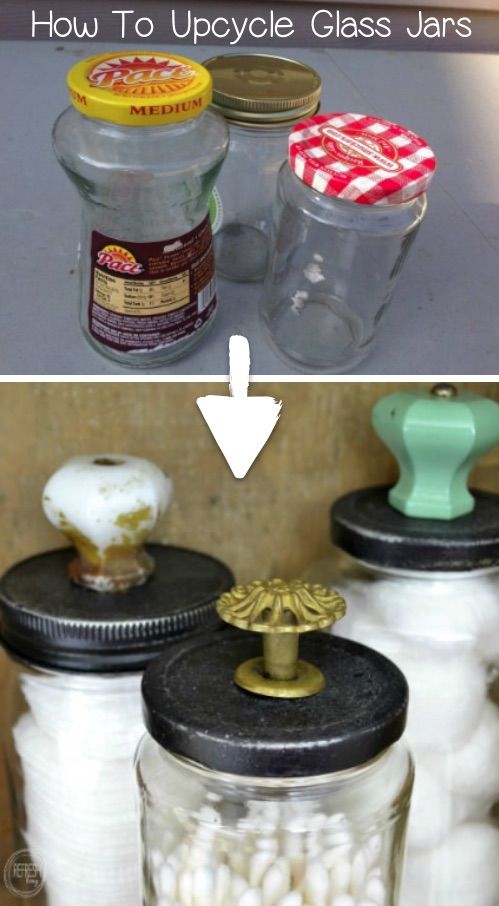
Certain items around the home are particularly well-suited for transformation, offering a high success rate for beginners and experts alike. Glass jars and bottles are perhaps the most versatile, moving from the pantry to the center of a stylish organization system. With a coat of paint or some twine, these containers become chic storage for spices, cosmetics, or handmade candles. Similarly, old wooden pallets provide a rugged foundation for outdoor furniture or wall-mounted shelves, bringing industrial charm into the garden.


Textile Transformation
Fabric waste constitutes a significant portion of landfill, making clothing and linen ideal candidates for upcycling. T-shirts that no longer fit or have lost their shape can be cut into durable cleaning rags or braided into sturdy doormats. More ambitious crafters might deconstruct old denim to create a unique picnic blanket or patchwork quilt, preserving memories through utility. These projects not only reduce textile waste but also result in personalized goods that mass-produced items cannot replicate.
- Denim insulation panels for bike seats or pet beds.
- Sweater mending using colorful patches to cover holes.
- Scarf or tie repurposed into a feminine hat band or bag handle.
- Linen sheet transformation into reversible throw pillows.
Furniture and Functional Finds
Large household items often seem destined for the dump, but their structural integrity makes them perfect for dramatic home makeovers. An outdated dresser can be revived with a bold coat of matte paint and the replacement of old handles with vintage knobs recovered from other discarded furniture. The legs from an old wooden table can be salvaged to create a stylish set of floating shelves, combining form with function in a single project.


| Original Item | Upcycled Result | Primary Materials |
|---|---|---|
| Wooden Ladder | Towel Rack or Vertical Garden | Wood, Metal Rungs |
| Wine Crates | Stackable Shelving or Coffee Table | Wood |
| Door | Headboard or Room Divider | Wood, Glass |
Embracing Technological Waste
As technology cycles accelerate, the e-waste stream offers a treasure trove of unconventional materials. Old computer keys can be glued together to form intricate mosaics or jewelry, giving new life to the plastic casing of the digital age. Circuit boards, with their complex patterns and subtle colorations, serve as fascinating art canvases or coasters, protected by a simple layer of resin. These projects highlight the aesthetic value hidden within our discarded electronics.
Finally, the most successful upcycling projects are those that align with personal lifestyle and aesthetic. The goal is not to create generic Pinterest crafts, but to solve actual problems or enhance your living space with authentic character. Whether it is turning sweater into a cozy pillow or transforming a ladder into a pantry organizer, the satisfaction comes from using your hands to extend the life of an object. This practice fosters a deeper connection with the items you own, promoting a mindset of care and sustainability that transcends the trend itself.




Related Articles

10+ Creative Upcycling Ideas: Transform Trash into Treasure Today
Upcycling is the art of transforming forgotten or discarded materials into objects of higher value and utility, a practice that marries creativity with...

Creative Upcycling Examples: Transform Trash into Treasure Today
Upcycling represents a creative approach to waste management that transforms discarded materials into products of higher quality or environmental value. Unlike...

Creative Upcycling Ideas: Transform Trash into Treasure Today
Creative upcycling ideas transform the discarded into the desirable, offering a practical response to mounting waste and resource depletion. Instead of viewing...

Creative DIY Plastic Ideas: Transform Trash into Treasure Today
In the age of sustainability, repurposing plastic waste has become a creative and eco-friendly pursuit. DIY plastic ideas not only help reduce waste but also...
Creative DIY Upcycling Ideas to Transform Trash into Treasure
Upcycling is the art of transforming overlooked or discarded materials into objects of greater value, beauty, or utility. This creative practice moves beyond...

Creative Upcycled Furniture Ideas: Transform Trash into Treasure Today
Transforming discarded materials into functional, beautiful pieces is more than a trend; it is a smart response to modern waste concerns and a powerful way to...