Creative Upcycling Ideas: Transform Trash into Treasure Today
Creative upcycling ideas transform the discarded into the desirable, offering a practical response to mounting waste and resource depletion. Instead of viewing an old item as trash, the upcycling mindset sees potential raw material for something new and valuable. This process reduces landfill burden and lessens the demand for virgin resources, making it an essential practice for sustainable living. By engaging with our possessions in a more intentional way, we cultivate creativity and foster a deeper connection to the objects we own.
The Philosophy Behind Transforming Waste
At its core, upcycling is a design-led movement that challenges the traditional linear economy of take-make-waste. It diverges from simple recycling by adding value to the original material rather than breaking it down for basic reuse. This approach encourages problem-solving and artistic expression, turning a potential eyesore into a centerpiece of utility and beauty. The act itself becomes a rewarding project, blending environmental consciousness with hands-on craftsmanship.
Starting with Audit and Inspiration
Before diving into specific projects, it helps to audit your home for overlooked candidates. Look beyond the obvious trash and assess items with structural integrity or interesting textures. A chipped ceramic mug, a stack of worn notebooks, or a broken bicycle wheel can all become the foundation for innovation. Pair this inventory with visual inspiration, browsing platforms dedicated to reuse to spark ideas specific to your possessions.


Practical Projects for the Home
The home offers a vast landscape for repurposing, where functionality and aesthetics can merge seamlessly. These projects often require minimal specialized tools, making them accessible to beginners and experts alike. The satisfaction of using a object you created from scratch provides a daily reminder of the value in resourcefulness.
Furniture and Storage Solutions
- Convert a vintage door into a rustic room divider or headboard, adding architectural character without the cost of new furniture.
- Use wooden pallets to build a vertical garden or a set of sturdy shelves, bringing a natural, industrial vibe to any space.
- Transform old suitcases into stacked nightstands or rolling storage units, infusing a touch of travel history into your decor.
Textiles and Soft Goods
Fabric waste is abundant, yet highly malleable for new creations. Cutting up worn-out clothing or linens allows you to bypass the sewing machine if you prefer a more casual approach. Braiding t-shirts into a durable rug or weaving scraps into a patchwork blanket are excellent ways to honor the life of the material.
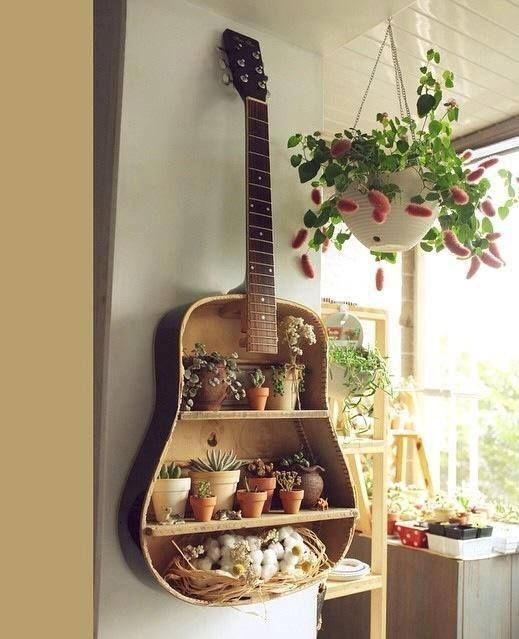


Creative Expression Through Art and Organization
Upcycling also thrives in the realm of art and office supplies, where the visual impact of the material is as important as its function. These projects highlight the beauty of the discarded, proving that art does not require pristine, expensive components.
Jars, Bottles, and Containers
| Glass Jar Hack | Remove labels from pasta sauce jars and use them as modular storage for spices, craft supplies, or loose buttons. |
| Plastic Bottle Planters | Cut plastic bottles in half, invert the top into the base, and paint them to create self-watering pots for herbs on a sunny windowsill. |
| Wine Cork Bulletin | Glue a grid of wine corks to a frame board to create a functional pinboard for notes and photos. |
Reimagining Wearables and Accessories
The fashion industry is a major contributor to waste, but individual upcycling offers a direct counter-narrative. By altering or combining existing garments, you can update your wardrobe sustainably and avoid fast-fashion pitfalls. This process invites you to experiment with trends without the financial or environmental cost.
Clothing Revamp Strategies
- Transform an oversized t-shirt into a trendy crop top or a reusable tote bag by simply cutting and tying the hem.
- Embroider over a visible stain or rip on jeans to create a unique patchwork detail rather than discarding them.
- Braid thin strips of fabric from old t-shirts to create a durable yarn for knitting a basket or a rug.
Community and Continuous Learning
Embracing this creative practice often leads to connections with like-minded individuals. Local workshops, online forums, and maker spaces provide platforms to exchange techniques and materials. Sharing your process encourages others to look at their own clutter with a creator’s eye rather than a consumer’s eye.


Ultimately, the versatility of creative upcycling lies in its scalability. You can start with a small jar modification and grow to tackle complex furniture builds. The goal is not perfection but participation in a cycle of creation that values ingenuity over consumption.


Related Articles

10+ Creative Upcycling Ideas: Transform Trash into Treasure Today
Upcycling is the art of transforming forgotten or discarded materials into objects of higher value and utility, a practice that marries creativity with...

Creative DIY Plastic Ideas: Transform Trash into Treasure Today
In the age of sustainability, repurposing plastic waste has become a creative and eco-friendly pursuit. DIY plastic ideas not only help reduce waste but also...
Creative DIY Upcycling Ideas to Transform Trash into Treasure
Upcycling is the art of transforming overlooked or discarded materials into objects of greater value, beauty, or utility. This creative practice moves beyond...

Creative Upcycled Furniture Ideas: Transform Trash into Treasure Today
Transforming discarded materials into functional, beautiful pieces is more than a trend; it is a smart response to modern waste concerns and a powerful way to...

Creative Upcycling Examples: Transform Trash into Treasure Today
Upcycling represents a creative approach to waste management that transforms discarded materials into products of higher quality or environmental value. Unlike...

Creative Upcycling Ideas for Students: Transform Trash into Treasure
For students navigating tight budgets and packed schedules, upcycling offers a practical solution that cuts costs and waste. By transforming overlooked items...