Creative DIY Upcycling Ideas to Transform Trash into Treasure
Upcycling is the art of transforming overlooked or discarded materials into objects of greater value, beauty, or utility. This creative practice moves beyond simple recycling by reimagining an item's purpose, giving new life to things that might otherwise end up in a landfill. By engaging in do it yourself (DIY) upcycling, you actively participate in a sustainable cycle that reduces waste and fosters innovation. The process encourages a shift in perspective, turning a chipped vase or an old ladder from a burden into a statement piece that reflects personal style and environmental consciousness.
The Environmental and Economic Power of DIY Transformation
The appeal of upcycling extends far beyond the tactile satisfaction of creation; it represents a practical solution to the growing crisis of consumer waste. Every repurposed item is a small victory against overconsumption, conserving the resources and energy required to manufacture new products. Financially, this approach offers significant benefits, turning items you might pay to dispose of into unique decor or functional tools. The low or no-cost nature of many projects makes creativity accessible, proving that personalization does not have to be expensive. By mastering these techniques, you cultivate a resourceful mindset that challenges the disposable nature of modern culture.
Getting Started: The Mindset of an Upcycler
Embarking on your upcycling journey begins with a change in how you view the objects around you. Before discarding something, consider its potential in a new context. Look for items with interesting textures, shapes, or materials that can serve as a canvas for your imagination. A wooden crate becomes a rolling shoe rack, a set of mismatched mugs transforms into a pencil holder, and an old window frame evolves into a rustic photo display. The key is to see possibility rather than obsolescence. Starting with simple projects allows you to build confidence and develop the skills needed for more complex transformations.


Essential Tools for the Beginner
- Basic hand tools: screwdrivers, pliers, and a utility knife.
- Power tools: a drill and a saw for cutting or modifying materials.
- Adhesives: strong glues and industrial-strength tapes for bonding disparate elements.
- Finishing supplies: paint, sandpaper, and sealants to refine the look and durability of your creation.
Creative Project Ideas for the Home
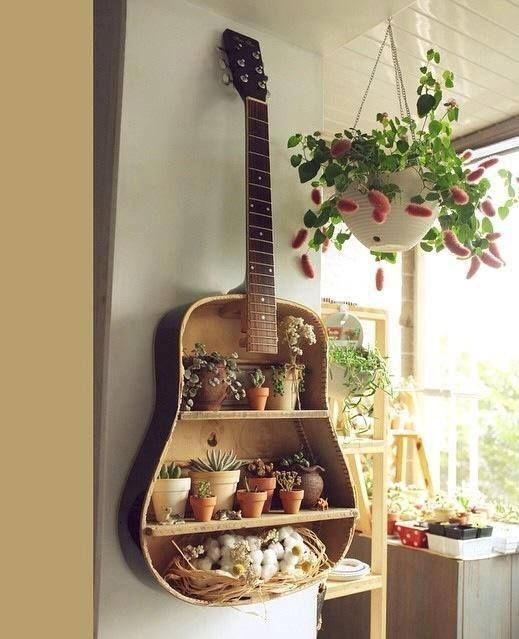
The home is a prime location for upcycling, offering endless opportunities to inject character into your space. Furniture pieces are particularly receptive to this treatment. An outdated dresser can be revitalized with a bold coat of paint and new handles, while a stack of old books can be glued together to form a unique side table with a built-in compartment. Glass jars, often destined for the trash, can be cleaned and used to organize kitchen utensils or create charming pendant lights. These projects not only save you money on new decor but also ensure your living environment is truly one-of-a-kind.
Textile and Fabric Reimagining
Textiles offer a rich texture for upcycling, allowing you to address wear and tear creatively. Worn-out t-shirts can be cut into strips and woven into durable rugs or braided into thick yarn for crocheting baskets. old jeans, with their durable fabric, are perfect for crafting durable tote bags or durable aprons. Scarves that no longer suit your style can be transformed into pillow covers or neckties. By repurposing fabric waste, you reduce the environmental impact of textile production and create soft goods that carry a story.


Advanced Techniques and Material Innovation
As you gain experience, you can explore more complex material combinations. For instance, cutting wine corks into thin slices creates excellent coasters that are heat-resistant and visually interesting. Broken ceramics can be repurposed for mosaic art, adding vibrant color to tabletops or backsplashes. Even electronic waste can be given a second life; circuit boards make for fascinating coasters or wall art, celebrating the beauty of technology's inner workings. These projects require a bit more precision but result in highly durable and conversation-starting pieces that showcase ingenuity.
Sustaining the Practice
To make upcycling a lasting habit, it is essential to integrate it into your regular routine. Treat every item you consider throwing away as a potential raw material. Before purchasing something new, ask if a forgotten object in your home could serve the purpose. Engaging with local communities or online forums can provide inspiration and feedback, turning your solitary craft into a shared movement. The ultimate goal is to foster a sustainable cycle where creativity and responsibility intersect, proving that thoughtful design can be both beautiful and beneficial to the planet.




Related Articles

Creative Upcycling Ideas for Students: Transform Trash into Treasure
For students navigating tight budgets and packed schedules, upcycling offers a practical solution that cuts costs and waste. By transforming overlooked items...
Creative Upcycling Ideas: Transform Trash into Treasure Today
Creative upcycling ideas transform the discarded into the desirable, offering a practical response to mounting waste and resource depletion. Instead of viewing...

10+ Creative Upcycling Ideas: Transform Trash into Treasure Today
Upcycling is the art of transforming forgotten or discarded materials into objects of higher value and utility, a practice that marries creativity with...

Creative Upcycling Ideas with Plastic: Transform Trash into Treasure
Creative Upcycling Ideas with Plastic: Reduce, Reuse, Recycle In the quest for a sustainable future, upcycling has emerged as a powerful tool to reduce waste...
Creative Upcycling by Annelies: Transform Trash into Treasure
In a world overflowing with mass-produced goods and fleeting trends, annelies has carved a distinctive niche by reimagining the concept of value. Her creative...

Creative DIY Plastic Ideas: Transform Trash into Treasure Today
In the age of sustainability, repurposing plastic waste has become a creative and eco-friendly pursuit. DIY plastic ideas not only help reduce waste but also...