Small School Playground Equipment: Fun, Safe & Affordable Gear
Enhancing Early Education: The Importance of Small School Playground Equipment
In the realm of early childhood education, the playground is more than just a recreational space; it's a learning environment that fosters physical, cognitive, and social development. Small school playground equipment plays a pivotal role in creating a safe, engaging, and age-appropriate space for young children to grow and thrive.
Understanding the Role of Playground Equipment in Early Childhood Development
Play is a child's primary means of learning and exploring the world. Small school playground equipment is designed to encourage and facilitate this play, supporting various aspects of a child's development:
- Physical Development: Equipment like climbing structures, balance beams, and swings help children develop gross motor skills, coordination, and strength.
- Cognitive Development: Playground activities that involve problem-solving, like puzzles or building blocks, stimulate critical thinking and enhance cognitive skills.
- Social and Emotional Development: Interacting with peers on the playground helps children learn to share, cooperate, and understand emotions, fostering social and emotional growth.
Safety First: Choosing Age-Appropriate Equipment
When selecting small school playground equipment, safety should always be the top priority. Age-appropriate equipment reduces the risk of injuries and ensures that children can use the equipment confidently and independently. Here are some safety considerations:


- Choose equipment designed for the specific age group of your students (typically 2-5 years old for small school playgrounds).
- Opt for impact-absorbing surfaces, such as rubber mulch or poured-in-place rubber, to minimize injury risk in case of falls.
- Inspect equipment regularly for any signs of wear or damage, and maintain it accordingly.
Incorporating Variety and Theme in Small School Playground Design
Variety is the spice of life, and it's also crucial in playground design. Incorporating a mix of equipment types caters to different interests and abilities, ensuring that all children can find something engaging and enjoyable. Themes can also make the playground more inviting and immersive, fostering imaginative play. Some popular themes include:
- Nature-inspired: Incorporate elements like trees, rocks, and plants to create a serene, outdoor learning environment.
- Storybook: Bring favorite children's stories to life with themed equipment and structures.
- Community: Design the playground to represent local landmarks or cultural elements, fostering a sense of community and belonging.
Benefits of Outdoor Learning and Nature Play
Small school playgrounds aren't just about the equipment; they're also about the outdoor learning opportunities they provide. Nature play encourages children to explore, observe, and interact with the natural world, fostering curiosity, creativity, and a lifelong appreciation for nature. Incorporating natural elements like sand, water, and plants into your playground design can enhance these benefits.


Involving Children and Families in Playground Design
Involving children and families in the playground design process can help ensure that the space meets their needs and interests. Here are some ways to engage them:
- Conduct surveys or focus groups to gather input on preferred equipment types, themes, and features.
- Host family events or design workshops to brainstorm ideas and collaborate on the playground vision.
- Create a design committee consisting of children, parents, teachers, and administrators to oversee the planning and implementation process.
Maximizing Space and Budget with Multi-Purpose Equipment
Small school playgrounds often have limited space and budget. Multi-purpose equipment can help overcome these challenges by combining multiple play activities into a single structure. For example, a climbing structure might also include a slide, a tunnel, and a panel with built-in activities like puzzles or musical instruments. This not only saves space but also encourages children to engage in various types of play.
Case Studies: Inspiring Small School Playground Designs
To inspire your small school playground design, consider these successful case studies:


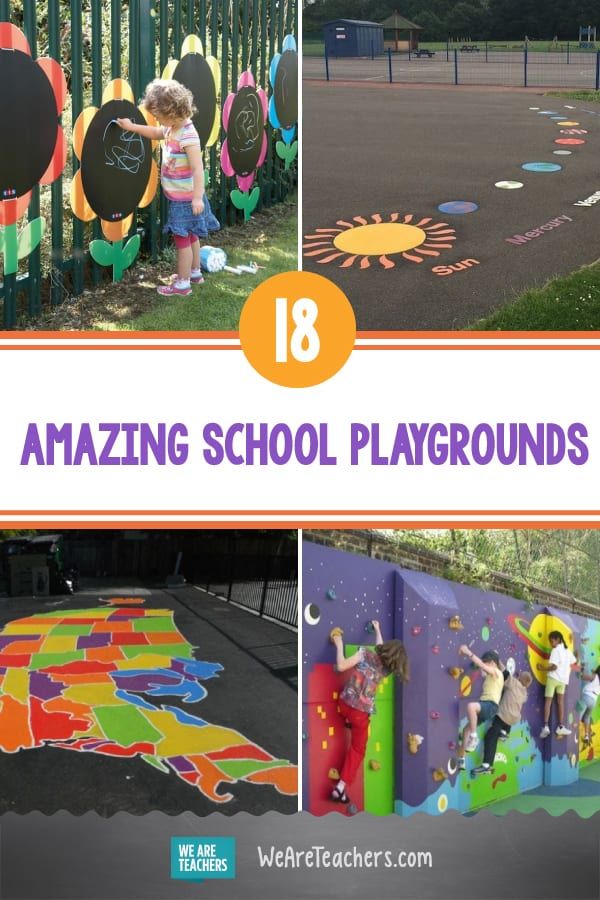


| School/Organization | Playground Features | Key Takeaways |
|---|---|---|
| Wonderful Wonders Early Learning Center, California | Nature-inspired theme, loose parts play area, water play table, and a variety of small-scale equipment | Emphasizes nature play, loose parts, and open-ended activities to foster creativity and imagination |
| Little Sprouts Preschool, Massachusetts | Storybook theme, sensory play areas, and a mix of commercial and homemade equipment | Showcases the benefits of incorporating a theme and using a combination of commercial and DIY equipment to save budget |
By learning from these case studies and incorporating best practices, you can create a small school playground that is not only engaging and fun but also supports the holistic development of young children.


Related Articles
Small Playground Equipment for Primary Schools: Fun, Safe & Affordable
Enhancing Learning through Play: Small Playground Equipment for Primary Schools In the bustling world of primary education, creating a balance between learning...

Small School Playground Ideas: Fun & Safe Designs for Kids
Creating Safe and Engaging Spaces: The Importance of Small School Playgrounds In the bustling world of education, the humble school playground often goes...

Cool School Playground Equipment: Fun & Safe Outdoor Play Solutions
Revitalize Playtime: The Benefits of Cool School Playground Equipment In the dynamic world of education, schools are increasingly recognizing the importance of...

My School Has a Small Playground: Fun & Activities
Navigating Limited Playground Space: A Comprehensive Guide for Schools In the realm of education, the importance of play cannot be overstated. It's a vital...
Small School Playground Ideas: Creative, Space-Saving Designs For Big Fun
Creating a safe, engaging, and fun playground for small schools can be a challenging task due to space constraints. However, with a bit of creativity and...

Fun & Safe Playground for Small Kids Near Me | Best Local Play Spots
Are you on the hunt for the perfect playground for your little ones? Look no further! We've compiled a list of fantastic playgrounds near you, designed with...