Small Playground Equipment for Primary Schools: Fun, Safe & Affordable
Enhancing Learning through Play: Small Playground Equipment for Primary Schools
In the bustling world of primary education, creating a balance between learning and play is crucial. Small playground equipment plays a significant role in achieving this equilibrium, fostering not just physical development but also cognitive, social, and emotional growth. This article explores the benefits, types, and considerations when selecting small playground equipment for primary schools.
Benefits of Small Playground Equipment in Primary Schools
Small playground equipment offers numerous advantages that extend beyond physical exercise. Here are some key benefits:
- Promotes Physical Activity: It encourages children to engage in physical activities, helping them maintain a healthy lifestyle and develop motor skills.
- Enhances Cognitive Development: Playground activities stimulate creativity, problem-solving, and critical thinking skills.
- Fosters Social Interaction: Small playground equipment encourages children to interact, share, and cooperate, promoting social skills and emotional intelligence.
- Supports Mental Health: Playground activities can help reduce stress, anxiety, and improve mood, contributing to overall mental well-being.
Types of Small Playground Equipment
There's a wide array of small playground equipment designed to cater to different age groups, abilities, and interests. Here are some popular types:


Climbing Equipment
- Climbing Walls: Encourage upper body strength and problem-solving skills.
- Monkey Bars: Develop upper body strength, grip, and coordination.
- Climbing Nets: Foster teamwork and cooperation while improving balance and agility.
Swinging Equipment
- Swing Sets: Promote balance, core strength, and coordination.
- Glider Swings: Encourage social interaction and teamwork.
- Tire Swings: Develop balance, core strength, and gross motor skills.
Spinning and Sliding Equipment
- Spinners: Improve balance, core strength, and coordination.
- Slides: Encourage gross motor skills, balance, and coordination.
- Merry-Go-Rounds: Foster teamwork, social interaction, and gross motor skills.
Imaginative and Creative Equipment
- Playhouses: Stimulate imaginative play and role-playing.
- Play Panels: Encourage interactive learning and cognitive development.
- Sand and Water Tables: Foster sensory exploration and learning.
Considerations When Selecting Small Playground Equipment
When choosing small playground equipment, consider the following factors to ensure a safe, inclusive, and engaging play environment:
| Factor | Considerations |
|---|---|
| Age and Ability | Select equipment appropriate for the children's age, size, and developmental stage. |
| Safety | Choose equipment with safety features, such as impact-absorbing surfaces, secure fastenings, and age-appropriate design. |
| Accessibility | Opt for inclusive equipment that caters to children with different abilities and needs. |
| Durability | Invest in high-quality, weather-resistant materials to ensure longevity and minimize maintenance. |
| Space and Layout | Plan the layout to maximize space, minimize congestion, and encourage different types of play. |
By carefully considering these factors, you can create a vibrant, engaging, and safe playground that supports the holistic development of primary school children.

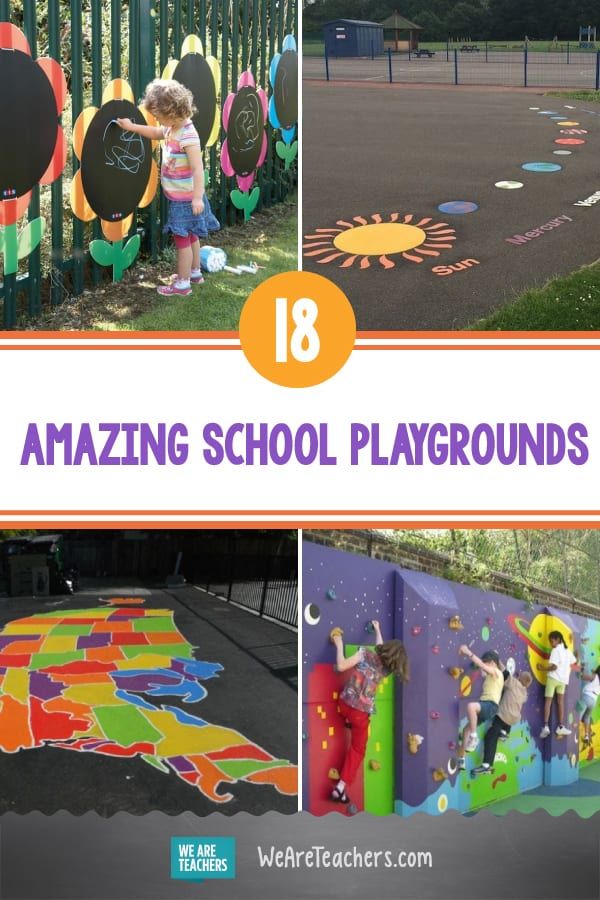

In conclusion, small playground equipment plays an indispensable role in fostering learning through play in primary schools. By understanding the benefits, types, and considerations, educators and school administrators can create playgrounds that inspire creativity, promote physical activity, and nurture social and emotional growth.


Related Articles
Small School Playground Equipment: Fun, Safe & Affordable Gear
Enhancing Early Education: The Importance of Small School Playground Equipment In the realm of early childhood education, the playground is more than just a...

Small School Playground Ideas: Fun & Safe Designs for Kids
Creating Safe and Engaging Spaces: The Importance of Small School Playgrounds In the bustling world of education, the humble school playground often goes...

Fun & Safe Playground for Small Kids Near Me | Best Local Play Spots
Are you on the hunt for the perfect playground for your little ones? Look no further! We've compiled a list of fantastic playgrounds near you, designed with...

Small Indoor Playground for Home: Fun & Safe Kids' Play Area Ideas
Transform Your Home: The Benefits of Installing a Small Indoor Playground In today's fast-paced world, finding safe and engaging spaces for children to play...

Small Indoor Playground for Toddlers: Fun & Safe Play Space
Creating a engaging and safe small indoor playground for toddlers can be a rewarding project. Not only does it provide a fun space for your little ones to...
25+ Playground Ideas for Elementary Schools: Fun & Safe Designs
Creating a vibrant and engaging play environment for elementary school students is crucial for their physical, social, and emotional development. Here, we...