Small School Playground Ideas: Creative, Space-Saving Designs For Big Fun
Creating a safe, engaging, and fun playground for small schools can be a challenging task due to space constraints. However, with a bit of creativity and careful planning, you can design an ideal play area that caters to the needs of young children. This article explores small school playground ideas that are not only space-efficient but also promote physical activity, social interaction, and cognitive development.
Understanding the Needs of Young Children
Before diving into playground ideas, it's crucial to understand the unique needs of young children. They require play spaces that are safe, stimulating, and encourage imaginative play. Small schools should aim to create playgrounds that offer a mix of physical challenges, social interaction opportunities, and quiet spaces for reflection and relaxation.
Maximizing Space: Vertical and Modular Playgrounds
Space is often a premium in small schools. To make the most of limited area, consider vertical and modular playground equipment.
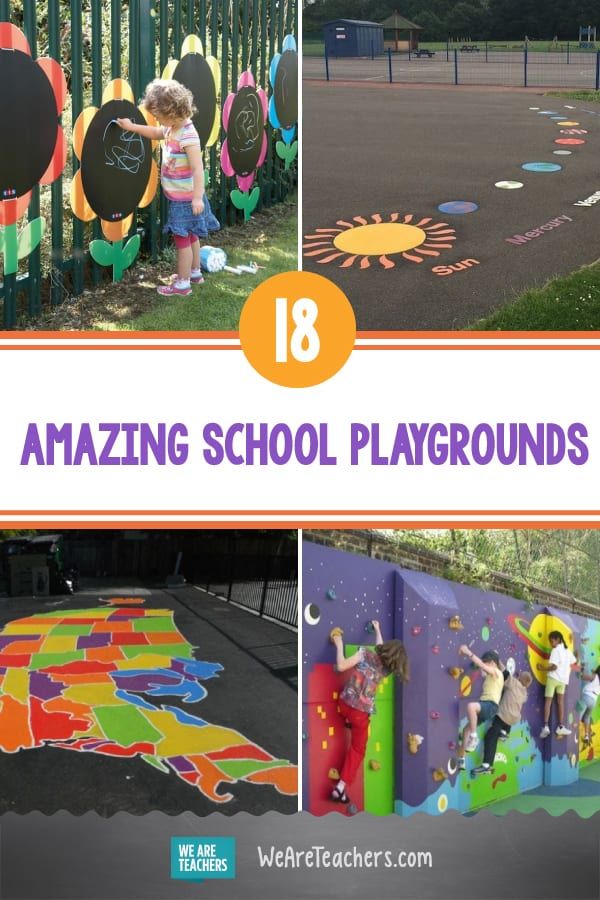


- Vertical Playgrounds: Climbing structures, ladders, and slides can be arranged vertically to save horizontal space. These also help children develop strength, balance, and coordination.
- Modular Playgrounds: Modular equipment can be easily rearranged or added to as the school's needs change. They are also typically made from durable, low-maintenance materials like plastic or metal.
Incorporating Nature into Small School Playgrounds
Including natural elements in your playground design can have numerous benefits. Natural play spaces encourage children to explore, learn about the environment, and connect with nature. They also tend to be more visually appealing and can help break up the monotony of a small space.
- Plant trees and shrubs to create shade and define spaces.
- Use natural materials like wood chips or sand for ground cover.
- Install a small garden or raised beds for children to grow their own plants.
Fostering Imaginative Play with Thematic Playgrounds
Thematic playgrounds can transform a small space into an engaging world of adventure. By creating a theme, such as a castle, spaceship, or pirate ship, you can encourage imaginative play and storytelling. This can be achieved through creative use of equipment, paint, and props.


Creating Zones for Different Types of Play
Dividing the playground into distinct zones can help prevent overcrowding and promote different types of play. For example, you might create a quiet zone with benches and books, an active zone with physical challenges, and a social zone with group games like hopscotch or four square.
| Playground Zone | Equipment and Features |
|---|---|
| Quiet Zone | Benches, books, planting areas |
| Active Zone | Climbing structures, swings, balance beams |
| Social Zone | Group games, chalkboards, interactive murals |
Safety Considerations for Small School Playgrounds
Safety should always be a top priority when designing a playground. Ensure that equipment is age-appropriate, well-maintained, and installed on a safe surface like rubber mulch or poured-in-place rubber. Regularly inspect the playground for any signs of wear or damage, and keep it clear of hazards like broken glass or sharp edges.
Creating a small school playground that meets the needs of young children requires careful planning and consideration. By maximizing space, incorporating nature, fostering imaginative play, and prioritizing safety, you can design a play area that is both fun and beneficial for your students.


Related Articles

Small Backyard Playground Ideas: Maximize Space with Creative Designs
Transforming a small backyard into a fun and engaging playground can be a rewarding project. With the right ideas and a bit of creativity, you can create a...

Small School Playground Ideas: Fun & Safe Designs for Kids
Creating Safe and Engaging Spaces: The Importance of Small School Playgrounds In the bustling world of education, the humble school playground often goes...

Small Outdoor BBQ Area Ideas Australia: Space-Saving Designs & Inspiration
Transforming a modest courtyard or balcony into a functional small outdoor BBQ area is a smart move for many Australian households. The desire to entertain...

Creative Border Ideas for Playground: Fun & Safe Designs
Creative Border Ideas for Playgrounds: Enhance Safety and Aesthetics When designing or renovating a playground, the border is often an overlooked aspect...

DIY Parol Ideas for School Projects: Easy & Creative Designs
Creating a DIY parol for a school project is an excellent way to combine cultural education with hands-on creativity. This traditional Filipino Christmas...

Small Toilet Lighting Ideas: Bright & Space-Saving Designs
Illuminating your small toilet can be a challenge, but it's not impossible. With the right lighting ideas, you can create a well-lit, safe, and inviting space...