Creative Landscaping Ideas to Hide Tree Roots Fast
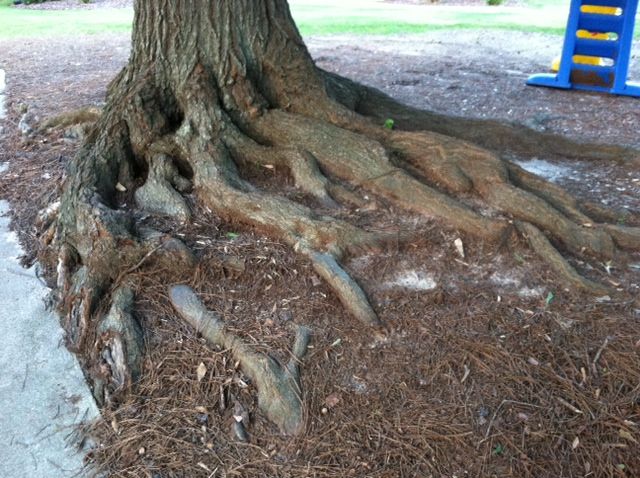
Discovering large, woody roots breaking through the lawn is a common frustration for homeowners who want a pristine, walkable yard. Rather than viewing these exposed roots as a problem to be hacked away, consider them an opportunity to redesign your landscape with creativity and purpose. The primary goal when landscaping around tree roots is to protect the tree's vital health while solving your aesthetic and functional needs. By working with the tree's structure instead of against it, you can create a beautiful, durable landscape that thrives for years.
Understanding the Root System
Before diving into design ideas, it is essential to understand why tree roots behave the way they do. A tree's roots extend outward in a relatively shallow plane, typically within the top 6 to 12 inches of soil, spreading far beyond the drip line to anchor the tree and absorb nutrients. When soil is compacted, eroded, or lacking in oxygen, roots grow closer to the surface in search of resources, leading to the bumps and lumps in your yard. Cutting major roots can destabilize the tree or invite disease, so successful landscaping focuses on preservation and adaptation rather than eradication.
Strategy 1: Mulch Beds
One of the most effective and easiest solutions for covering tree roots is to create a mulch bed, often referred to as a "mulch volcano" when done incorrectly. Proper mulcing offers insulation against temperature extremes, retains soil moisture, and prevents lawn mowers from damaging the bark. To execute this correctly, spread a layer of organic mulch—such as shredded bark or wood chips—over the root zone to a depth of 2 to 4 inches. It is critical to keep the mulch a few inches away from the trunk itself to prevent rot and pest infestations, creating a natural, donut-shaped ring rather than a mound directly against the tree.


Strategy 2: Ground Covers and Native Plants
For a more vibrant and manicured look, planting shade-tolerant ground covers is a superior alternative to grass. Grass roots compete with tree roots for the same shallow resources, often leading to a thin, sparse lawn regardless of how much fertilizer you apply. Selecting low-growing perennials such as mondo grass, sweet woodruff, or wild ginger creates a living carpet that suppresses weeds and requires minimal maintenance. These plants thrive in the dry, shaded conditions found under tree canopies, offering a burst of color and texture that mulch beds cannot provide.
Hardscaping Solutions
Pathways and Stepping Stones
When roots create an uneven surface that poses a tripping hazard or disrupts mowing, hardscaping is a practical fix. Instead of trying to install a flat lawn, consider laying permeable stepping stones or pavers that "float" on the surface of the roots. This method respects the tree's structure by avoiding soil compaction around the trunk while providing a stable, walkable surface. Use small, pea gravel or decomposed granite between the stepping stones to allow water to drain and to visually soften the rigid stone with a natural texture.


Raised Beds and Edging
Raised garden beds are a dramatic landscaping idea that instantly elevates the aesthetics of a problematic root zone. By building a contained box filled with quality soil, you create a barrier between the tree roots and your plants, while also preventing lawn mowers from getting too close to the trunk. If raised beds are too structural for your taste, low-profile edging can define the border of the root zone. This simple edge signals where to stop the mulch or ground cover, keeping the area looking tidy and intentional rather than chaotic.
Maintaining Lawn Health Near Roots
If removing the grass entirely is not an option, you must adjust your lawn care routine to accommodate the tree's needs. Mowing over surface roots can scalp the lawn and expose the roots to stress, so raise your mower blade to the highest setting to ensure you are only cutting the grass blades. Never remove more than one-third of the leaf blade at a time, and consider using a mulching mower that returns clippings to the soil to act as a natural fertilizer. Deep, infrequent watering is crucial; you should water the soil at the tree's drip line, not the trunk, to encourage roots to grow outward and downward rather than surfacing.
Critical "Don'ts" of Root Landscaping
To ensure the longevity of both your landscape and the tree, there are specific practices you must avoid. Covering roots with soil to create a lawn is a common mistake that can smother the roots and kill the tree over time. Similarly, installing turf grass directly against the trunk creates a humid environment that invites disease and invites pests to nest against the bark. You should also avoid driving nails or screws into the tree to hang decorations, as this creates permanent wounds. Finally, do not apply heavy layers of gravel or stone directly against the trunk, as rock can bake in the sun and cook the bark, inviting decay that often kills the tree from the inside out.




Related Articles

Creative Landscaping Ideas to Hide Tree Stumps Fast
Discovering an unsightly tree stump in an otherwise well-maintained landscape is a common challenge for homeowners and gardeners. Rather than viewing this...

Creative Ways to Hide a Tree Stump: Clever Camouflage & Landscaping Ideas
Discovering a leftover tree stump in an otherwise perfect yard can feel like an eyesore interrupting your landscaping vision. Rather than viewing this stubborn...
Creative Ideas to Hide Tree Roots Effectively
Exposed tree roots present a common challenge for homeowners and landscapers, transforming a natural feature into a tripping hazard and complicating lawn care...
Creative Landscaping Ideas Around Tree Roots - Transform Your Yard
Tree roots create a unique set of challenges for any landscape, pushing up sidewalks and smothering grass. Rather than viewing these exposed roots as an...
Creative Landscaping Ideas for Exposed Tree Roots
Discovering a network of exposed tree roots in your yard can feel like an unexpected obstacle course for your landscaping plans. These visible roots often...
Creative Ideas to Cover Tree Roots Effectively
Homeowners and landscapers often face the challenge of exposed tree roots. These raised surfaces disrupt lawns, create trip hazards, and complicate mowing...