Creative Ideas to Hide Tree Roots Effectively
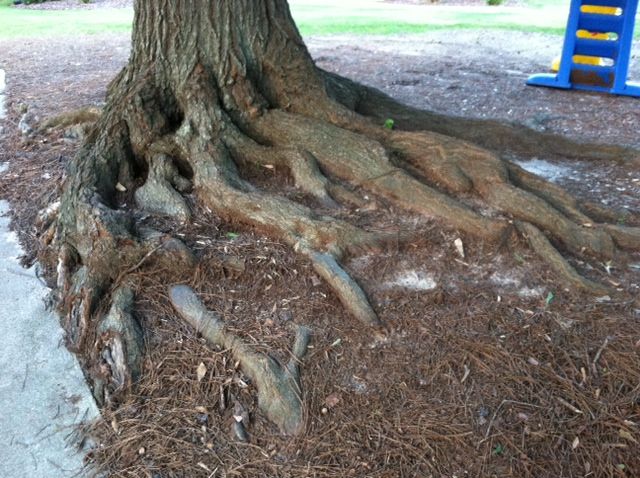
Exposed tree roots present a common challenge for homeowners and landscapers, transforming a natural feature into a tripping hazard and complicating lawn care. These raised structures disrupt the smooth surface of lawns, creating uneven terrain that is difficult to mow and dangerous to navigate. Furthermore, the roots compete with grass for water and nutrients, leading to sparse, unhealthy turf in the areas directly above them. Instead of viewing these roots as a problem to be eliminated, the most effective strategy focuses on creative concealment and protection.
Understanding the Root System
Before implementing any solution, it is essential to respect the biological needs of the tree. The root system extends outward to the drip line, and cutting major roots can damage the tree's health and stability. Most tree roots exist in the top 6 to 18 inches of soil, making them vulnerable to lawn mowers and string trimmers. Therefore, the primary goal of hiding tree roots should be to protect them while creating a functional and attractive landscape zone.
Mulching as a Natural Shield
Applying a layer of organic mulch is widely regarded as the safest and most effective method for managing surface roots. Mulch acts as a protective blanket, preventing mechanical injury from lawn equipment and reducing soil compaction. It also helps retain moisture and regulate soil temperature, allowing the roots to thrive without stressing the surrounding grass.


To execute this method correctly, spread a 2 to 4-inch layer of shredded bark or wood chips over the root zone. It is critical to keep the mulch a few inches away from the trunk itself to prevent rot and discourage pests. Avoid "volcano mulching," where mulch piles up against the bark, as this can kill the tree over time.
Groundcover Plantings
For a more visually dynamic solution, planting shade-tolerant groundcovers can soften the harsh lines of exposed roots. These low-growing plants create a living carpet that covers the soil, masking the irregular topography while adding color and texture to the area.


- Wild Ginger: Thrives in deep shade and features heart-shaped leaves that provide excellent coverage.
- Periwinkle: Offers rapid growth and pretty blue flowers in the spring, establishing a dense mat over the roots.
- Hostas: Known for their lush foliage, these plants grow well in partial shade and hide bare soil effectively.
Hardscaping Solutions
When roots are too prominent for plants or the area receives heavy foot traffic, hardscaping offers a durable and aesthetic alternative. This approach involves using materials like stone, wood, or concrete to create a stable surface that completely covers the root zone.
Raised bed edging made of stone or brick can define the area while providing a safe walking surface. Alternatively, installing a deck or a set of stepping stones distributes weight evenly, preventing soil compaction. The key is to leave a small gap between the hard surface and the tree trunk to allow for natural root growth and tree expansion.
Creating Functional Pathways
If tree roots are disrupting a walking path, consider shifting the pathway slightly to bypass the bulk of the roots rather than trying to cut through them. If the roots must be traversed, using materials that flex with movement is crucial. Flagstones set in sand allow for slight shifting without cracking, while decomposed granite paths provide a smooth, finesse surface that compacts well.


By forgiving the materials, you prevent the path from becoming a绊脚石 (trip hazard) while ensuring the tree remains undamaged. This strategy prioritizes safety without requiring the removal of the root system.
Decorative Elements
For smaller, scattered roots, a minimalist approach involving decorative stone can be highly effective. River rocks or pea gravel fill the empty space between the roots, creating a clean, modern look that is easy to maintain. This method is particularly effective in dry climate gardens where water conservation is a priority.
Ensure the stone depth is sufficient to suppress weeds but not so deep that it smothers the roots. This solution is ideal for areas where lawn growth is impossible due to shade or root density, offering a low-maintenance way to enhance the landscape.


Frequently Asked Questions
| Method | Best For | Maintenance Level |
|---|---|---|
| Mulching | Tree health and simple coverage | Low |
| Groundcovers | Visual appeal and erosion control | Medium |
| Hardscaping | High traffic areas and durability | Very Low |
| Decorative Stone | Aesthetic small roots and dry zones | Low |
Choosing the right strategy depends on the specific location, the health of the tree, and your aesthetic goals. By working with the landscape rather than against it, you can turn a challenging root system into a unique design feature.
Related Articles
Creative Ideas to Cover Tree Roots Effectively
Homeowners and landscapers often face the challenge of exposed tree roots. These raised surfaces disrupt lawns, create trip hazards, and complicate mowing...
Creative Landscaping Ideas to Hide Tree Roots Fast
Discovering large, woody roots breaking through the lawn is a common frustration for homeowners who want a pristine, walkable yard. Rather than viewing these...

Creative Ways to Hide a Tree Stump: Clever Camouflage & Landscaping Ideas
Discovering a leftover tree stump in an otherwise perfect yard can feel like an eyesore interrupting your landscaping vision. Rather than viewing this stubborn...
Creative Landscape Ideas Around Tree Roots
Beneath the soil, a complex network of roots sustains a tree, yet this vital system often creates challenges for the surrounding landscape. Transforming these...
Creative Landscaping Ideas Around Tree Roots - Transform Your Yard
Tree roots create a unique set of challenges for any landscape, pushing up sidewalks and smothering grass. Rather than viewing these exposed roots as an...
Creative Landscaping Ideas for Exposed Tree Roots
Discovering a network of exposed tree roots in your yard can feel like an unexpected obstacle course for your landscaping plans. These visible roots often...