How to Heat a Tile Bathroom Floor: Warmth Underfoot Guide
Heating a Tile Bathroom Floor: A Comprehensive Guide
Transforming a chilly tile bathroom into a warm, inviting space is not only possible but also highly rewarding. Heated bathroom floors, or radiant floor heating, provide a luxurious touch while offering numerous benefits such as improved comfort, better air quality, and enhanced safety. This guide will walk you through the process of heating a tile bathroom floor, from understanding the types of heating systems to installation and maintenance.
Understanding Radiant Floor Heating Systems
Before delving into the installation process, it's crucial to understand the two primary types of radiant floor heating systems:
- Electric Systems: These systems use electric mats or cables installed beneath the flooring. They are easy to install, perfect for small spaces, and offer instant heat. However, they can be more expensive to run than hydronic systems.
- Hydronic Systems: Hydronic systems circulate warm water through pipes embedded in the floor. They are more energy-efficient, quieter, and can heat larger areas than electric systems. However, they require professional installation and are more complex to maintain.
Preparing Your Bathroom for Installation
Before installing a heated bathroom floor, ensure your bathroom is ready for the project:


- Check the subfloor's condition. It should be clean, dry, and structurally sound.
- Ensure your bathroom is properly insulated to maximize heating efficiency.
- Consider the layout of your bathroom, including the location of fixtures and furniture, to plan the heating system's installation.
Installing Electric Radiant Floor Heating
Installing an electric radiant floor heating system is relatively straightforward. Here's a step-by-step guide:
- Prepare the subfloor by ensuring it's clean, dry, and level.
- Install a thin layer of mortar or self-leveling compound to create a smooth surface.
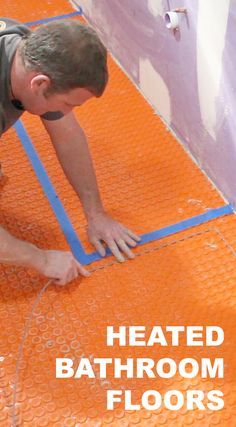
- Unroll the electric heating mat or cable, following the manufacturer's instructions. Ensure it's evenly spaced and covers the desired area.
- Connect the heating element to the power source, following the manufacturer's guidelines for safety and proper installation.
- Install a thin layer of cement-based mortar or self-leveling compound over the heating element to encapsulate it.
- Allow the mortar to cure according to the manufacturer's instructions.
- Install your chosen tile flooring, following standard tile installation procedures.
Installing Hydronic Radiant Floor Heating
Installing a hydronic radiant floor heating system is more complex and typically requires professional assistance. Here's an overview of the process:


- Prepare the subfloor, ensuring it's clean, dry, and level.
- Install insulation to maximize heating efficiency.
- Layout and secure the PEX pipes or tubing, following the desired pattern and spacing.
- Connect the pipes to the manifold, which controls water flow and temperature.
- Connect the manifold to the boiler or water heater.
- Pressure test the system to ensure there are no leaks.
- Install a thin layer of mortar or self-leveling compound over the pipes to encapsulate them.
- Allow the mortar to cure according to the manufacturer's instructions.
- Install your chosen tile flooring, following standard tile installation procedures.
Maintaining Your Heated Tile Bathroom Floor
Maintaining your heated tile bathroom floor is crucial for ensuring its longevity and efficiency:
- Regularly inspect the system for any signs of damage or leaks.
- Keep the area around the manifold clean and accessible for easy maintenance.
- For hydronic systems, periodically check the water pressure and temperature to ensure optimal performance.
- Consider installing a programmable thermostat to control the system's operation and maximize energy efficiency.
Safety Considerations
Safety should always be a top priority when working with electrical or plumbing systems. Always follow manufacturer guidelines and local building codes. For electric systems, ensure the circuit is properly sized and protected with a GFCI breaker. For hydronic systems, hire a licensed professional if you're unsure about any aspect of the installation or maintenance.




Related Articles

How to Heat Tile Floors After Installation in Bathroom: Warmth Underfoot Guide
Transforming your bathroom into a cozy, inviting space is now possible with heated tile floors. After a successful installation, you might be wondering how to...

Bathroom Floor Heating Installation: Warmth Underfoot Guide
Transform Your Bathroom: A Comprehensive Guide to Bathroom Floor Heating Installation Imagine stepping out of your shower on a chilly morning, your feet...

Warmth Underfoot: The Ultimate Bathroom Floor Heater System Guide
Elevate Comfort and Safety: Exploring Bathroom Floor Heater Systems Imagine stepping out of your shower on a chilly morning, only to be greeted by the...
Warm Tiles Underfoot: The Ultimate Guide to Bathroom Floor Heating Under Tile
Elevate Comfort and Safety: Bathroom Floor Heating Under Tile Imagine stepping out of your shower on a chilly morning, your feet sinking into a warm, inviting...
How to Heat a Tile Floor: Warm & Cozy Underfoot Guide
Efficiently Heating Tile Floors: A Comprehensive Guide Tile floors are not only aesthetically pleasing but also durable and low-maintenance. However, they can...
Warmth Underfoot: The Ultimate Guide to Radiant Heating in Bathroom Floors
Radiant Heating for Bathroom Floors: A Comprehensive Guide Imagine stepping out of your shower on a chilly morning, your feet sinking into a warm, comforting...