How to Heat a Tile Floor: Warm & Cozy Underfoot Guide
Efficiently Heating Tile Floors: A Comprehensive Guide
Tile floors are not only aesthetically pleasing but also durable and low-maintenance. However, they can feel cold to the touch, especially in colder climates or seasons. This guide will walk you through various methods to heat tile floors, ensuring a comfortable living or working space.
Understanding Heat Loss through Tile Floors
Before delving into heating solutions, it's crucial to understand why tile floors can feel cold. Tiles are dense and conduct heat poorly, which means they retain heat poorly as well. Additionally, they are often installed over concrete slabs, which can further exacerbate heat loss. Knowing this, we can explore heating methods that work best for tile floors.
Heating Tile Floors from Below
Heating tile floors from below is the most effective way to warm them. This method involves installing heating elements under the tiles, which then radiate heat upwards. Here are two popular methods:


Electric Floor Heating Mats
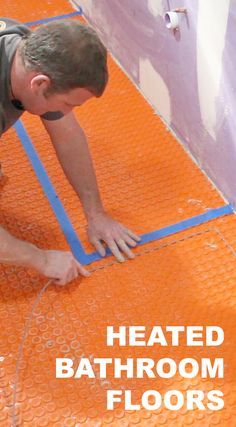
Electric floor heating mats are thin, flexible mats with embedded heating elements. They are easy to install and can be used in new construction or retrofit projects. Here's how to install them:
- Measure the area to be heated and choose the appropriate mat size.
- Prepare the subfloor by ensuring it's clean, dry, and level.
- Lay out the mat, following the manufacturer's instructions for spacing and overlap.
- Connect the mat to the power source and test the system.
- Install the tile over the mat, following standard tile installation procedures.
Hydronic Floor Heating Systems
Hydronic floor heating systems use hot water to heat the floor. They are more complex to install than electric mats but offer lower operating costs. Here's a simplified installation process:


- Design the layout of the piping system, ensuring even heat distribution.
- Prepare the subfloor and install insulation to minimize heat loss.
- Lay out the piping, following the designed layout. Pipes can be embedded in a thin layer of concrete or installed in plastic mats.
- Connect the piping to the hot water supply and install a manifold to control water flow.
- Install the tile over the piping, following standard tile installation procedures.
Heating Tile Floors from Above
While not as effective as underfloor heating, heating tile floors from above can still provide some warmth. Here are two methods:
Area Rugs with Pads
Using area rugs with heat-resistant, insulating pads can help retain heat and provide a warmer surface. Choose rugs with a non-slip backing to prevent movement on the tile floor.
Infrared Heating Panels
Infrared heating panels can be mounted on walls or ceilings and directed towards the tile floor. They work by emitting infrared radiation, which is absorbed by objects in the room, heating them directly. While they can warm the floor, they are more effective at heating people and objects in the room.


Choosing the Right Heating Method
When choosing a heating method, consider the following factors:
| Factor | Electric Floor Heating Mats | Hydronic Floor Heating Systems | Area Rugs with Pads | Infrared Heating Panels |
|---|---|---|---|---|
| Installation Cost | Low to Medium | High | Low | Low to Medium |
| Operating Cost | Medium to High | Low | Low | Low to Medium |
| Effectiveness | Medium | High | Low to Medium | Medium |
| Maintenance | Low | Low | Low | Low |
Consider your budget, the size of the area to be heated, and your specific heating needs when making your decision.
In conclusion, heating tile floors is possible with the right methods. Whether you choose to heat from below or above, you can enjoy a warmer, more comfortable living or working space. Always consult with a professional if you're unsure about any aspect of the installation process.




Related Articles

Warm Bathroom Floor Tile Heater: Cozy Comfort Guide
Elevate Your Bathroom Comfort: Exploring Bathroom Floor Tile Heaters Imagine stepping out of your shower on a chilly morning, only to be greeted by the...

Warm Tiles Underfoot: The Ultimate Guide to Bathroom Floor Heating Under Tile
Elevate Comfort and Safety: Bathroom Floor Heating Under Tile Imagine stepping out of your shower on a chilly morning, your feet sinking into a warm, inviting...
How to Heat a Tile Bathroom Floor: Warmth Underfoot Guide
Heating a Tile Bathroom Floor: A Comprehensive Guide Transforming a chilly tile bathroom into a warm, inviting space is not only possible but also highly...

How to Heat Tile Floors After Installation in Bathroom: Warmth Underfoot Guide
Transforming your bathroom into a cozy, inviting space is now possible with heated tile floors. After a successful installation, you might be wondering how to...

How to Warm a Bathroom Floor: Cozy Solutions Underfoot
Warming Up Your Bathroom Floor: A Comprehensive Guide Imagine starting your day with a warm, inviting bathroom floor that welcomes your feet instead of making...

How to Paint Tile Floor with Rustoleum: DIY Guide
Transform Your Space: Painting Tile Floors with Rustoleum Are you tired of dull, outdated tile floors? Before you consider a costly replacement, consider...