Bathroom Floor Heating Installation: Warmth Underfoot Guide
Transform Your Bathroom: A Comprehensive Guide to Bathroom Floor Heating Installation
Imagine stepping out of your shower on a chilly morning, your feet sinking into a warm, comforting embrace. This is not a dream; it's the reality of bathroom floor heating. Not only does it provide a luxurious touch, but it also offers practical benefits like faster drying of the floor and reduced humidity. Let's delve into the world of bathroom floor heating installation, exploring its advantages, types, and the step-by-step process.
Why Choose Bathroom Floor Heating?
Bathroom floor heating is a popular choice for homeowners seeking to enhance their living space. Here are some compelling reasons to consider it:
- Comfort: It provides a warm, inviting surface to walk on, especially in colder climates.
- Drying: It helps to dry the floor and bathroom faster, reducing the risk of mold and mildew growth.
- Energy Efficiency: It can help to maintain a consistent temperature in the bathroom, reducing the need for additional heating sources.
- Design: It can be installed under various flooring types, including tile, stone, and hardwood, adding a touch of luxury to your bathroom.
Types of Bathroom Floor Heating
Before we dive into the installation process, let's explore the two main types of bathroom floor heating systems:


Electric Floor Heating
Electric floor heating systems use electric cables or mats to generate heat. They are easy to install, can be used with most flooring types, and offer precise temperature control. However, they can be more expensive to run compared to hydronic systems.
Hydronic Floor Heating
Hydronic floor heating systems use hot water to heat the floor. They are more energy-efficient than electric systems, but they require a boiler and are more complex to install. They are typically used in new constructions or major renovations.


Bathroom Floor Heating Installation: A Step-by-Step Guide
Now that you've decided on the type of floor heating system, let's walk through the installation process. Remember, this is a complex task that requires professional expertise to ensure safety and optimal performance.
Preparation
Before installation, ensure the subfloor is clean, dry, and structurally sound. If you're using an electric system, the subfloor should be made of concrete or plywood. For hydronic systems, the subfloor should be concrete.
Installing the Heating Element
For electric systems, lay out the heating cables or mats according to the manufacturer's instructions. For hydronic systems, install the PEX tubing in a spiral or loop pattern, ensuring it's evenly spaced and not too close to the edges.
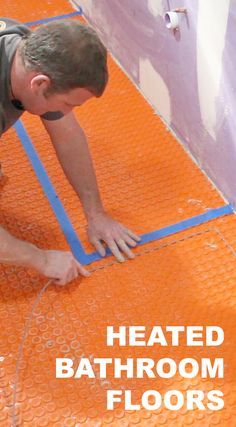


Installing the Floor Finish
Once the heating element is in place, it's time to install your chosen floor finish. This could be tile, stone, hardwood, or another material. Ensure the floor finish is compatible with your heating system and follow the manufacturer's guidelines for installation.
Connecting to the Power/Water Source
For electric systems, connect the heating cables or mats to the power source. For hydronic systems, connect the PEX tubing to the manifold and the boiler. Ensure all connections are secure and watertight to prevent leaks and electrical shorts.
Testing the System
Before using your new floor heating system, test it to ensure it's working correctly. Run the system at a low temperature for a few hours, then gradually increase the temperature to check for any issues.


Maintenance and Safety
Regular maintenance is key to keeping your bathroom floor heating system in top condition. This includes periodic inspections, cleaning the floor, and ensuring the system is running efficiently. Always follow the manufacturer's guidelines for maintenance and safety.
In case of any issues, don't hesitate to contact a professional. Safety should always be your top priority when dealing with electrical or water-based systems.
Bathroom floor heating is a significant investment, but it's one that can transform your bathroom into a warm, comfortable, and luxurious space. With the right installation and maintenance, it can provide years of comfort and enjoyment.
Related Articles
Warmth Underfoot: The Ultimate Guide to Radiant Heating in Bathroom Floors
Radiant Heating for Bathroom Floors: A Comprehensive Guide Imagine stepping out of your shower on a chilly morning, your feet sinking into a warm, comforting...

Best Electric Bathroom Floor Heating System: Warmth & Efficiency Underfoot
Transform your bathroom into a cozy, inviting space with the best electric bathroom floor heating systems. These innovative solutions provide luxurious...

How to Heat Tile Floors After Installation in Bathroom: Warmth Underfoot Guide
Transforming your bathroom into a cozy, inviting space is now possible with heated tile floors. After a successful installation, you might be wondering how to...
Warmth Underfoot: The Ultimate Guide to Bathroom Heating Tiles
Transform your bathroom into a cozy, inviting space with the perfect heating solution - bathroom heating tiles. These innovative tiles not only provide warmth...
Warmth Underfoot: The Ultimate Bathroom Floor Heater System Guide
Elevate Comfort and Safety: Exploring Bathroom Floor Heater Systems Imagine stepping out of your shower on a chilly morning, only to be greeted by the...
Warm Tiles Underfoot: The Ultimate Guide to Bathroom Floor Heating Under Tile
Elevate Comfort and Safety: Bathroom Floor Heating Under Tile Imagine stepping out of your shower on a chilly morning, your feet sinking into a warm, inviting...