Creative DIY Repurposing Ideas: Transform Trash into Treasure Today
DIY repurposing transforms forgotten objects into purposeful creations, breathing new life into items destined for the landfill. This hands-on approach merges creativity with sustainability, allowing makers to solve problems using existing materials. Instead of viewing a damaged chair or outdated jar as trash, the repurposing mindset sees potential raw stock for innovation. The process encourages resourcefulness, turning what you already have into something that better suits your current needs or aesthetic vision.
The Philosophy Behind Transforming Waste
At its core, DIY repurposing is an anti-waste manifesto applied to personal projects. It challenges the convenience-driven culture of disposable goods by focusing on modification rather than replacement. This mindset shift reduces the demand for new resources and minimizes the environmental impact associated with manufacturing. By engaging in this practice, you actively participate in a circular economy where value is extended through continuous use and adaptation.
Essential Skills and Mindset Shifts
Success in this endeavor relies less on advanced technical training and more on a specific set of perceptions and abilities. You must cultivate the skill of seeing beyond the original function of an object, recognizing the latent potential in shapes, materials, and textures. Patience is equally vital, as the process often involves trial, error, and unexpected detours. The willingness to experiment without fear of failure is the true hallmark of a dedicated repurposer.


Core Competencies to Develop
- Basic repair techniques, such as mending, gluing, and fastening.
- Fundamental material knowledge, including understanding wood, metal, glass, and fabric properties.
- Creative problem-solving to adapt designs to the limitations of the source material.
- Safe tool handling to ensure precision and personal safety during modification.
Project Inspiration for Everyday Items
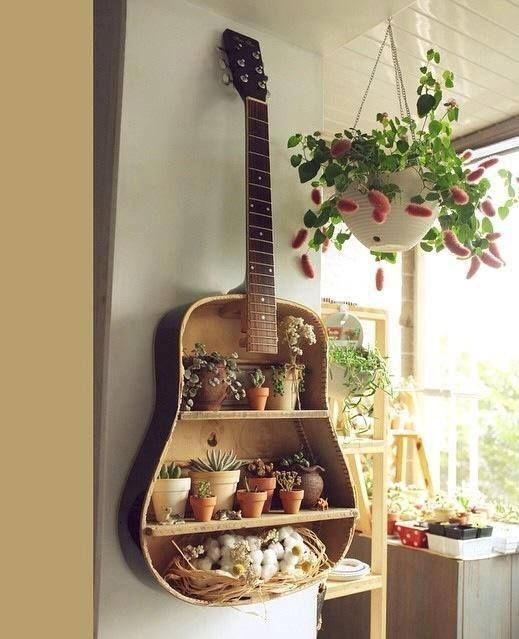
The possibilities are virtually limitless, spanning from simple organizational hacks to complex furniture restorations. You might turn an old wooden ladder into a vertical herb garden for your kitchen, utilizing its natural structure for support. Alternatively, mismatched picture frames can be unified with paint and backing to create a chic magnetic memo board. These projects demonstrate how ordinary household items can be elevated to become functional art.
Common Transformations with High Impact
| Original Item | Repurposed Function | Primary Benefit |
|---|---|---|
| Wine crates | Stackable storage shelves | Rustic organization |
| Tired t-shirts | Woven rag rugs | Soft, personalized floor covering |
| Mason jars | Herb gardens or pantry storage | Visibility and freshness |
| Old doors | Headboards or room dividers | Unique architectural statement |
Environmental and Economic Advantages
Choosing to repurpose directly reduces the volume of waste sent to incinerators or overflowing landfills. It lessens the carbon footprint associated with extracting raw materials and transporting finished goods to market. On a personal level, the practice saves significant money, allowing you to customize your space without the premium price tags of new, designer items. It transforms the concept of "buying new" into an investment in your own creativity.


Overcoming Common Beginner Hesitations
Many aspiring repurposers hesitate, fearing they lack the technical skills or perfect tools to begin. The reality is that most projects start with a simple idea and evolve through the process. It is acceptable to start small, perhaps with a single drawer refresh or a coat of paint on an overlooked vase. The confidence gained from these initial successes builds a foundation for more ambitious endeavors.
Integrating Repurposing into a Sustainable Lifestyle
Ultimately, DIY repurposing is more than a hobby; it is a sustainable practice that fosters a deeper relationship with the objects you own. It promotes mindfulness about consumption and encourages gratitude for the materials already present in your environment. By consistently applying ingenuity to your immediate surroundings, you contribute to a culture of conservation that values lasting utility over fleeting trends.




Related Articles

Creative DIY Plastic Ideas: Transform Trash into Treasure Today
In the age of sustainability, repurposing plastic waste has become a creative and eco-friendly pursuit. DIY plastic ideas not only help reduce waste but also...

Creative Upcycled Furniture Ideas: Transform Trash into Treasure Today
Transforming discarded materials into functional, beautiful pieces is more than a trend; it is a smart response to modern waste concerns and a powerful way to...
Creative DIY Repurpose Ideas: Transform Trash Into Treasure Today
DIY repurpose ideas transform overlooked items into purposeful creations, reducing waste while sparking creativity. Instead of discarding household objects...

Creative Upcycling Ideas: Transform Trash into Treasure Today
Creative upcycling ideas transform the discarded into the desirable, offering a practical response to mounting waste and resource depletion. Instead of viewing...

Creative Upcycle Old Shelf Ideas: Transform Trash Into Treasure Today
Upcycle Old Shelves: Creative Ideas for a Sustainable Home In the pursuit of a sustainable and stylish home, upcycling old shelves is a fantastic way to reduce...

Creative Upcycle Project Ideas: Transform Trash Into Treasure Today
Transforming discarded items into meaningful creations is more than a pastime; it is a practical strategy for reducing waste and cultivating creativity...