Creative DIY Repurpose Ideas: Transform Trash Into Treasure Today
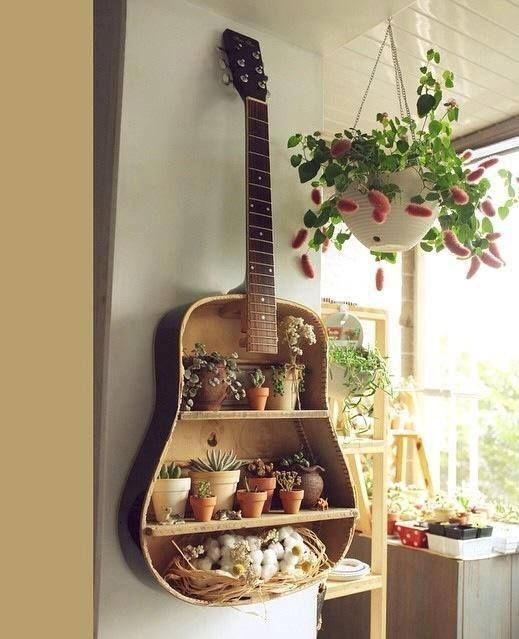
DIY repurpose ideas transform overlooked items into purposeful creations, reducing waste while sparking creativity. Instead of discarding household objects, you can reimagine their function with a thoughtful approach. This process turns clutter into customized solutions that reflect your personal style and practical needs.
Core Principles of Creative Repurposing
Successful repurposing begins with a shift in perspective, seeing potential rather than obsolescence. The first step involves assessing an item's core structure and materials, which dictate its possible new life. You must consider factors like durability, size, and inherent aesthetic when planning a transformation.
Next, define the specific problem or desire the new object will solve. Are you seeking additional storage, unique decor, or a personalized gift? Clearly establishing the goal ensures your efforts remain focused and efficient throughout the redesign process.


Evaluating Materials for Maximum Impact
Not every item is a candidate for repurposing, so a critical evaluation is essential. Look for projects that utilize sturdy materials such as wood, metal, glass, or thick textiles, as these offer the best structural integrity. Avoid items with excessive damage that compromise their fundamental stability or safety.
Consider the environmental impact of your chosen materials, opting for upcycling over downcycling whenever possible. Upcycling retains the material's original quality, whereas downcycling degrades it into a lesser product. Choosing upcycled components ensures your project is genuinely sustainable.


Practical Home Organization Solutions
Everyday household items can be elevated into highly effective organizational tools with minimal effort. Glass jars, for instance, become clear-view containers for pantry staples or craft supplies, eliminating the search for small items. Painting mismatched jars in a统一 color creates a cohesive and chic look.
Old wooden ladders offer vertical storage perfect for blankets, towels, or bicycles, maximizing space in smaller living areas. By leaning the ladder against a wall, you create an instantly accessible rack that adds rustic charm to any room. This simple trick declutters flat surfaces while showcasing your belongings.
Furniture Transformation Techniques
Updating tired furniture is often more sustainable than purchasing new pieces. A dated chair can be revitalized with a fresh coat of paint or new upholstery, changing the entire character of a room. This method allows you to customize the color and texture to perfectly match your existing decor.


Consider converting an unused dresser into a stylish kitchen island by adding casters and a butcher block top. This repurposing provides valuable counter space and storage without taking up extra square footage. It effectively merges functionality with design in compact living spaces.
Creative Expression Through Art
Repurposing also opens the door to unique artistic projects that showcase your individuality. Old records, for example, can be heated and molded into decorative bowls or wall art, preserving their nostalgic value. This technique gives a second life to items that might otherwise be discarded.
Vintage books offer another canvas for creativity, allowing you to construct sculptural lamps or hidden storage boxes. By cutting out pages and layering them with glue, you create a rigid, paper-based material ready for a new purpose. These projects turn literary history into functional conversation pieces.




Planning Your First Repurposing Project
Starting small ensures a positive experience and builds confidence for more ambitious undertakings. Select an item you enjoy but no longer use, and brainstorm a single, straightforward function for it. Sketching your idea helps visualize the end result and identify potential challenges early on.
Gather the necessary tools, which are often basic, such as sandpaper, paint, glue, and screwdrivers. Patience is the most critical tool, as taking your time yields a higher quality and more satisfying outcome. Embrace the process as a rewarding journey of discovery rather than a simple task.
Related Articles

Creative DIY Plastic Ideas: Transform Trash into Treasure Today
In the age of sustainability, repurposing plastic waste has become a creative and eco-friendly pursuit. DIY plastic ideas not only help reduce waste but also...

Creative Upcycled Furniture Ideas: Transform Trash into Treasure Today
Transforming discarded materials into functional, beautiful pieces is more than a trend; it is a smart response to modern waste concerns and a powerful way to...

Creative Upcycling Ideas: Transform Trash into Treasure Today
Creative upcycling ideas transform the discarded into the desirable, offering a practical response to mounting waste and resource depletion. Instead of viewing...

Creative Upcycle Old Shelf Ideas: Transform Trash Into Treasure Today
Upcycle Old Shelves: Creative Ideas for a Sustainable Home In the pursuit of a sustainable and stylish home, upcycling old shelves is a fantastic way to reduce...

Creative Upcycle Project Ideas: Transform Trash Into Treasure Today
Transforming discarded items into meaningful creations is more than a pastime; it is a practical strategy for reducing waste and cultivating creativity...

10+ Creative Upcycling Ideas: Transform Trash into Treasure Today
Upcycling is the art of transforming forgotten or discarded materials into objects of higher value and utility, a practice that marries creativity with...