Where Is the First Trader Joe's Located? Find the Original Store Today
While modern life is increasingly digitized, the ritual of wandering down a grocery aisle in search of a new culinary adventure remains a cherished pastime. For millions of Americans, that adventure often begins with a distinctive purple and green logo. The question of where it all started is more than just trivia; it is the origin story of a retail phenomenon that redefined the supermarket experience. The first Trader Joe's location is not just a store; it is the birthplace of a cultural icon that revolutionized how we shop for food.
The Genesis of an Idea: From Wholesale to Retail
To understand where the magic began, one must look back to 1958 and the mind of Joe Coulombe. At the time, Coulombe was running a small chain of convenience stores in the Los Angeles area. He noticed a gap in the market between the cramped, ethnic-focused grocery stores of the era and the large, corporate supermarket chains. Seeking a winter project, he envisioned a store that offered high-quality, globally-inspired products at affordable prices, staffed by well-informed employees who could guide customers through unfamiliar territory. This philosophy was the seed that would grow into the chain known today.
Prague to Palos Verdes: The First Aisles
The specific birthplace of this revolution was in Redondo Beach, California, located in the affluent Palos Verdes Peninsula. More precisely, the first Trader Joe's opened its doors in 1967 at 10125 Sepulveda Boulevard. The choice of location was strategic; the affluent neighborhood provided the target demographic of educated, adventurous eaters willing to try new products. The store was an immediate hit, charming locals with its unique offerings, free samples, and nautical-themed decor that gave it the feel of a voyage around the world without leaving the parking lot.


Architectural and Operational Blueprints
That original location established the formula that persists to this day, albeit with some evolution. The design was intentionally low-tech, favoring wood shelves and a relaxed atmosphere over the cold, fluorescent lighting of competitors. The layout was carefully considered to encourage exploration, with staples positioned at the center and the "Fearless Flyer" circular—a hand-drawn masterpiece of copy—lining the front. This combination of curated products and engaging atmosphere created an experience that felt personal and exciting, rather than transactional.
| Feature | Original 1967 Concept | Modern Implementation |
|---|---|---|
| Store Size | Approx. 9,000 sq ft | Average 10,000 - 12,000 sq ft |
| Atmosphere | Nautical/Exploration theme | Maintained warm, curated feel |
| Product Sourcing | Global, high-quality goods | Expanded private label focus |
The Philosophy Behind the Products
What separated Trader Joe's from other health food stores was its unwavering commitment to quality without pretension. The first location focused on sourcing unique items—such as its now-famous frozen dinners and line of organic staples—that you couldn't find anywhere else. Owner Joe Coulombe famously traveled the world to find the best ingredients, ensuring that the products matched the adventurous spirit of the neighborhood. This curation process meant that every visit felt like discovering a new hidden gem, fostering a loyal customer base from day one.


Growth and the Move to Mainstream
The success of the Sepulveda Boulevard location was meteoric, but it was not without growing pains. The original store struggled to keep up with demand, and the unique product mix required significant logistical innovation. Within a few short years, the company was purchased by the German conglomerate Aldi Nord, which provided the capital necessary for expansion while allowing the distinct Trader Joe "culture" to remain intact. This partnership allowed the chain to spread the "Trader Joe's experience" beyond California, but the DNA of that first store remained the standard for every location that followed.
Visiting the Birthplace Today
Although Trader Joe's has expanded to over 500 locations across the United States, the spirit of that first store lives on at 10125 Sepulveda Boulevard. The building has undergone renovations and expansions over the decades, but walking the aisles offers a tangible connection to the past. It serves as a pilgrimage site for food enthusiasts and retail historians alike, a reminder that the best ideas are often the simplest ones. For anyone interested in the history of retail or simply craving a legendary chocolate bar, standing in that original location is a humbling experience.


Related Articles
The Origin Story of Trader Joe's: Where Did the Favorite Grocery Store Come From?
While today Trader Joe’s feels like an inevitable part of the American grocery landscape, with its distinctive nautical aesthetic and cheerful crew members...

Where Can I Store Luggage for a Day? Find Safe & Easy Solutions
Losing access to your bag for a few hours while exploring a new city is a common travel frustration. Whether you are between hotels, working remotely from a...

Find the Nearest Jewelry Store to You Now
Finding the Nearest Jewelry Store: A Comprehensive Guide Are you on the hunt for the perfect piece of jewelry, or perhaps you need a repair or appraisal?...

Magnolia ISD Location: Find Where It Is Served
Magnolia Independent School District (ISD), often referred to as Magnolia ISD, is a highly regarded public school district located in the heart of Texas...
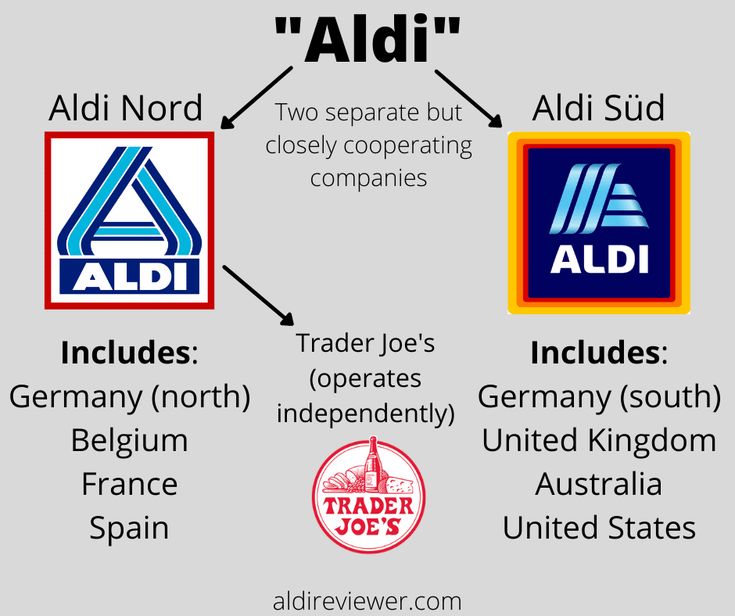
Where Did Aldi and Trader Joe's Originate? The Surprising History Behind the Groceries
Few grocery chains inspire the devotion found in Aldi and Trader Joe’s parking lots. While Aldi sticks to its no-frills, efficient German formula, Trader Joe’s...

Where is My Mailbox Canada Post: Find Your Location Instantly
Finding Your Canada Post Mailbox: A Comprehensive Guide Are you wondering, "Where is my mailbox Canada Post located?" You're not alone. Canada Post has...