Creative Upcycled Home Decor: Transform Trash into Treasure for a Stylish Space
Upcycled home decor represents a shift in how we interact with the objects that shape our living spaces. Rather than seeing an old item as waste, this design philosophy encourages viewing it as a repository of potential, waiting for a new purpose. It is a practice that marries creativity with consciousness, transforming forgotten materials into unique pieces that tell a story. By choosing to refurbish and reimagine, you are not just decorating; you are curating a narrative of sustainability and personal expression.
Defining the Art of Upcycling
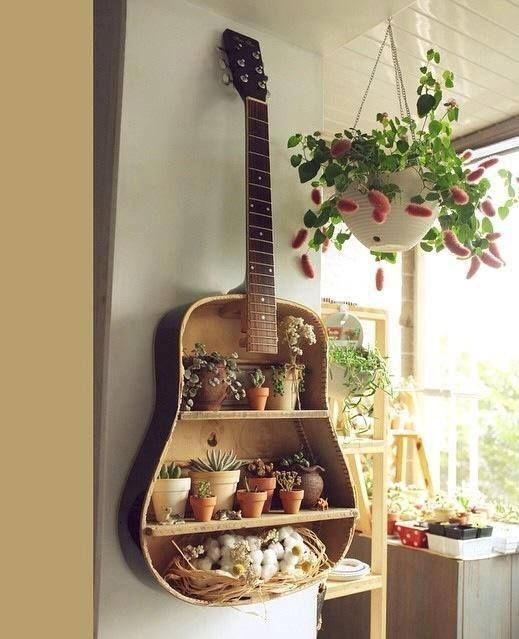
To understand the movement, it is essential to distinguish upcycling from mere recycling. Recycling typically involves breaking down materials to create new raw products, often resulting in a downgrade in quality. Upcycling, conversely, is the process of creatively repurposing an object in a way that increases its value or utility. This can range from simply cleaning and painting a piece of furniture to complex alterations that turn a pallet into a dining table or industrial pipes into a stylish shelf system. The goal is to create something of higher quality or artistic value than the original item, giving it a second life that is both functional and beautiful.
The Environmental and Economic Impact
The benefits of adopting upcycled decor extend far beyond aesthetics, touching on significant environmental and economic concerns. Every item upcycled is one less piece of waste sent to a landfill, reducing the strain on our planet's limited resources. It is a powerful way to minimize the carbon footprint associated with manufacturing new goods. Economically, it offers an accessible avenue for interior design, allowing individuals to achieve a high-end, bespoke look without the hefty price tag of new, designer furniture. It transforms decor into an investment, where the value is derived from the creativity and effort invested, not just the brand name.


Inspiration for Your Space
Integrating upcycled items into your home is a journey of discovery, where you become both an interior designer and a historian. The charm of these pieces lies in their imperfections and the history they carry, adding depth and character that mass-produced items often lack. A vintage suitcase can become a unique coffee table, a set of mismatched chairs can be unified with a fresh coat of paint, and old window frames can be transformed into elegant mirrors or photo displays. The key is to look beyond the surface and envision the hidden potential within the object.
Practical Projects for Beginners
For those new to the practice, starting with simple projects can build confidence and spark further creativity. One of the easiest entry points is giving wooden pallets a new lease on life. With some sandpaper, paint, and basic tools, pallets can be converted into vertical gardens, headboards, or sturdy outdoor furniture. Another accessible project is transforming glass jars into stylish organizers for utensils, brushes, or bathroom supplies. These small victories not only declutter your space but also serve as a tangible reminder of the impact of creative reuse, making the process both rewarding and enjoyable.


The Philosophy Behind the Movement
At its core, upcycled home decor is a commentary on our throwaway culture. It challenges the constant cycle of consumption and disposability by promoting resourcefulness and longevity. This movement is part of a larger shift towards mindful living, where possessions are valued for their utility and emotional resonance rather than their trendiness. It encourages a slower, more intentional approach to design, where each piece in your home carries a story and a purpose. By embracing this philosophy, you are actively participating in a more sustainable and thoughtful way of life.
Curating a Cohesive Aesthetic
A common misconception is that upcycled decor leads to a chaotic or mismatched space. However, with a bit of intention, these unique pieces can form a cohesive and highly personalized aesthetic. Establishing a unifying element, such as a specific color palette, a consistent material like wood or metal, or a particular design style, can tie diverse items together. The goal is not to create a perfectly uniform look, but to cultivate a harmonious environment where individuality and planning exist in balance. The result is a home that feels authentic, layered, and deeply personal.
Ultimately, upcycled home decor is more than a trend; it is a sustainable and soulful approach to creating a sanctuary. It empowers you to take control of your environment, transforming discarded objects into cherished artifacts. By choosing to upcycle, you are not only enhancing your living space but also contributing to a more responsible and creative world. It is a testament to the idea that beauty can be found, and crafted, in the unexpected.



Related Articles
Creative DIY Upcycled Home Decor: Transform Trash into Treasure Trends
Transforming overlooked household items into intentional, beautiful elements for your living space is more than a trend; it is a sustainable practice that...

Creative Upcycled Yard Decor: Transform Your Garden Trash into Treasure
Transforming forgotten backyard remnants into striking yard displays is more than a trend; it is a practical philosophy that reshapes outdoor spaces. Upcycled...

Creative DIY Upcycled Garden Decor Ideas: Transform Trash into Treasure 🌿
Transform Your Garden with DIY Upcycled Decor: A Sustainable and Budget-Friendly Guide Are you looking to add a touch of charm and character to your garden...
Creative Upcycled Garden Decor: Transform Trash into Garden Treasure
For the eco-conscious gardener, upcycled garden decorations represent more than just a trend; they are a philosophy. This approach transforms overlooked...

Creative Upcycled Furniture Ideas: Transform Trash into Treasure Today
Transforming discarded materials into functional, beautiful pieces is more than a trend; it is a smart response to modern waste concerns and a powerful way to...

Creative Upcycled Garden Ideas: 10 Eco-Chic DIY Projects to Transform Your Trash into Treasure
Transforming overlooked household items into thriving green spaces is one of the most satisfying ways to refresh your outdoor area. Creative upcycled garden...