Creative DIY Upcycled Home Decor: Transform Trash into Treasure Trends
Transforming overlooked household items into intentional, beautiful elements for your living space is more than a trend; it is a sustainable practice that marries creativity with environmental responsibility. DIY upcycled home decor allows you to curate a unique atmosphere that reflects your personal history and design ethos, turning discarded objects into cherished focal points. This approach not only minimizes waste but also infuses your home with a distinct character you cannot buy off a shelf.
At its core, upcycling is the process of converting waste materials or unwanted products into new materials or products of better quality or for better environmental value. Unlike simple repurposing, which changes an item's function, upcycling enhances its aesthetic or structural purpose while maintaining its core identity. The appeal lies in the challenge of seeing potential where others see refuse, whether it is recognizing the sleek lines of a vintage ladder in a tangled mess of fencing or envisioning the patina of old wood as a sophisticated headboard.
The Philosophy Behind Sustainable Craft
The motivation to create DIY upcycled home decor often stems from a desire to disconnect from mass production and reconnect with the tactile process of making. This movement is rooted in a philosophy of resourcefulness, where every scuff and scratch on a salvaged piece is viewed as a testament to its history rather than a flaw to be hidden. By engaging in this practice, you are actively participating in a circular economy, extending the life of materials and reducing the demand for new resources.


Furthermore, the resulting aesthetic is inherently organic and curated. Because each piece is unique, your home avoids the sterile uniformity of mass-produced decor, telling a story of intervention and personal expression. This creates an environment that feels lived-in and authentic, fostering a sense of warmth and individuality that resonates with guests and inhabitants alike.
Getting Started with Your First Project
Embarking on your first upcycling journey requires little more than a keen eye and a willingness to experiment. The key is to start with a base item that is structurally sound but visually dormant. Common candidates include wooden crates, old picture frames, chipped ceramics, or textiles with faded patterns.

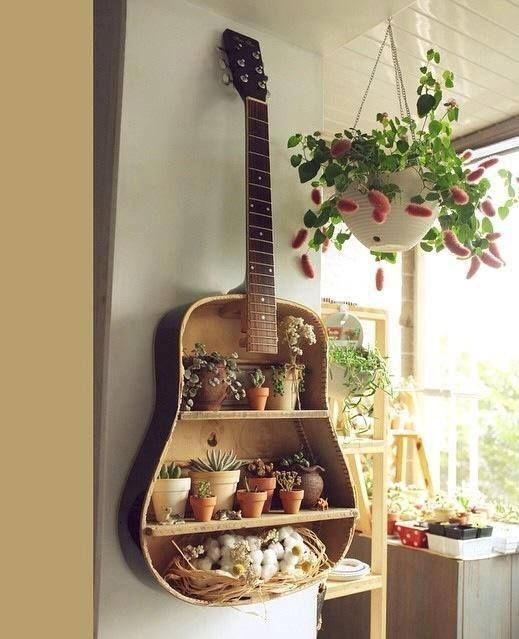

Essential Tools and Mindset
- Basic hand tools (screwdrivers, hammers, pliers)
- Sandpaper in various grits
- Eco-friendly paints, stains, or sealers
- Adhesives suitable for mixed materials
- An open mind and tolerance for happy accidents
Before you begin, assess the item’s potential. Ask yourself how its form can be simplified or accentuated. Sometimes, the magic lies in the subtraction of color or the addition of a single bold element, rather than a complete overhaul.
Inspirational Ideas for Common Household Items
The scope of what can be achieved is vast, limited only by your imagination and the boundaries of your storage space. Consider looking at items destined for the curb or thrift store shelves as your raw canvas.
Furniture Transformation
An outdated chair can be revitalized with a fresh coat of paint and new upholstery fabric. Similarly, a tired coffee table can be transformed by replacing its legs with industrial piping or hairpin legs to achieve a modern mid-century look. These changes require minimal carpentry skills but yield a high-impact result.


Wall Art and Lighting
Gather old records, vinyl siding, or even antique window frames to create a gallery wall that doubles as a conversation starter. For lighting, consider converting a large glass jar into a pendant lamp or using woven wire baskets to shade a cluster of fairy lights, casting a warm, ambient glow.
Color, Texture, and Finishing Techniques
The success of your upcycled project hinges on the thoughtful application of color and texture. A matte finish evokes a rustic, earthy feel, while a high-glyptic漆 can lend a glamorous, sleek vibe to a repurposed mirror frame. Layering is crucial; distressing edges to reveal the wood beneath a painted surface adds depth and a vintage charm that flat colors cannot achieve.
Don't shy away from mixing materials. Combining the roughness of burlap with the smoothness of metal, or the transparency of glass with the opacity of ceramic, creates visual interest and a sense of curated complexity. The goal is to ensure that these disparate elements feel cohesive within the specific context of your room.


Maintaining Integrity and Longevity
To ensure your creations withstand the test of time and daily use, proper finishing is essential. Applying a durable sealant or wax protects painted surfaces from scratches and moisture, while reinforcing joints on furniture ensures stability. Treat your upcycled pieces with the same care you would give new investment furniture.
Ultimately, the value of DIY upcycled home decor is immeasurable in monetary terms. It is the satisfaction of creating a harmonious environment with your own hands, the reduction of your ecological footprint, and the possession of objects that are genuinely yours. By embracing this practice, you are not just decorating a space; you are defining a sustainable and soulful way of life.
Related Articles

Creative Upcycled Yard Decor: Transform Your Garden Trash into Treasure
Transforming forgotten backyard remnants into striking yard displays is more than a trend; it is a practical philosophy that reshapes outdoor spaces. Upcycled...

Creative DIY Upcycled Garden Decor Ideas: Transform Trash into Treasure 🌿
Transform Your Garden with DIY Upcycled Decor: A Sustainable and Budget-Friendly Guide Are you looking to add a touch of charm and character to your garden...
Creative Upcycled Garden Decor: Transform Trash into Garden Treasure
For the eco-conscious gardener, upcycled garden decorations represent more than just a trend; they are a philosophy. This approach transforms overlooked...

Creative Upcycled Furniture Ideas: Transform Trash into Treasure Today
Transforming discarded materials into functional, beautiful pieces is more than a trend; it is a smart response to modern waste concerns and a powerful way to...

Creative Upcycled Garden Ideas: 10 Eco-Chic DIY Projects to Transform Your Trash into Treasure
Transforming overlooked household items into thriving green spaces is one of the most satisfying ways to refresh your outdoor area. Creative upcycled garden...

Creative Cool Upcycled Ideas to Transform Trash into Treasure
Repurposing forgotten objects is more than a pastime; it is a practical strategy for reducing waste and enriching your living space. Cool upcycled ideas...