Upcycle Home Decor: Transform Trash into Treasure for Your Space
Upcycle home decor transforms forgotten or discarded items into beautiful, functional pieces that add character to your living space. Instead of sending potential treasures to landfills, this creative practice breathes new life into materials by reimagining their purpose and form. The process encourages mindfulness about consumption while offering a sustainable path to personalize your environment. Each project becomes a unique statement, reflecting resourcefulness and a commitment to reducing waste.
The Philosophy Behind Sustainable Transformation
At its core, upcycling is about valuing the inherent potential of materials rather than discarding them at the first sign of wear. This philosophy shifts the perspective from disposal to discovery, asking "what could this become?" rather than "how do I get rid of this?". It is a hands-on approach to sustainability that merges environmental responsibility with artistic expression. By choosing to upcycle, you participate in a circular economy where items are kept in use for as long as possible.
Environmental and Economic Benefits
The advantages of embracing upcycle home decor extend beyond aesthetics, delivering tangible positive impacts.


| Benefit | Description |
|---|---|
| Waste Reduction | Keeps items out of landfills and reduces the demand for new raw materials. |
| Cost Efficiency | Utilizes items you already own or source them very inexpensively, saving money on decor. |
| Unique Character | Results in one-of-a-kind pieces that mass-produced items cannot replicate. |
These benefits create a compelling reason to look at your attic, garage, or local thrift store as a treasure trove of inspiration rather than a storage burden.
Starting Your Creative Journey
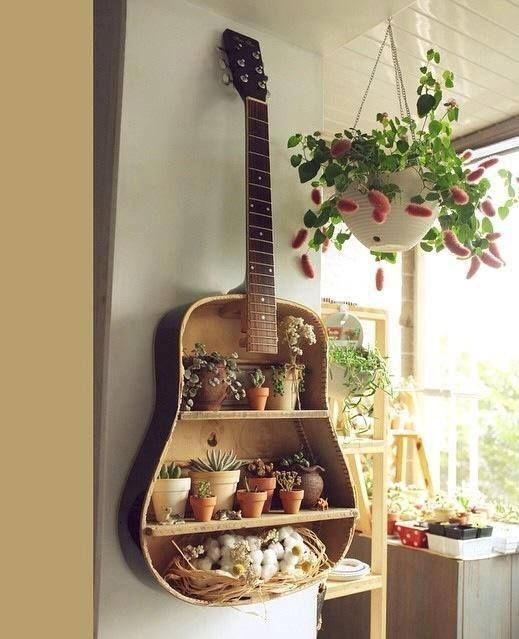
Embarking on an upcycling project begins with observation. Look around your home for items that are no longer serving their original function but possess structural integrity or interesting textures. A wooden ladder can become a vertical bookshelf, an old door can transform into a chalkboard or room divider, and mismatched mugs can find new life as pen holders. The key is to see beyond the current identity of the object.


Essential Tools and Mindset
You do not need a professional workshop to begin; a basic toolkit is often sufficient. Simple supplies like sandpaper, paint, strong glue, and a drill can facilitate the majority of projects. Equally important is cultivating a mindset of patience and experimentation. Not every project will go perfectly, but the "flaws" often add to the handmade charm. Embrace the learning process and view mistakes as part of the creative evolution.
Project Ideas for Every Skill Level
For the beginner, consider starting with a paint-based project. Transforming a dull chair or picture frame with a fresh coat of color requires minimal effort and yields instant gratification. Intermediate creators might try decoupage, using printed fabric or magazine clippings to cover plain boxes or tables. Advanced upcyclers can tackle woodworking, such as creating floating shelves from reclaimed planks or refinishing vintage cabinetry.
Integrating Upcycled Pieces into Modern Design
A common misconception is that upcycled decor clashes with modern aesthetics. In reality, these pieces can provide the perfect counterpoint to clean lines and minimalist spaces. A rustic, repurposed wooden crate offers warmth against a sleek sofa, while a vintage industrial light fixture adds drama to a contemporary room. The goal is to balance new and renewed elements to create a space that feels curated and authentic.


Sourcing Materials Responsibly
While your home is the primary source, expanding your search can lead to incredible finds. Visiting salvage yards, architectural antique stores, or community swap meets allows you to discover high-quality materials with a history. Online marketplaces and local "buy-nothing" groups are also excellent resources for free or heavily discounted items. When sourcing externally, prioritize items made of solid wood or metal, as these materials age well and are more durable than particleboard or thin plastics.
Ultimately, upcycle home decor is more than a trend; it is a sustainable lifestyle choice that empowers you to curate a space that is uniquely yours. By investing time and creativity into repurposing, you craft an environment rich with story and meaning.


Related Articles
Creative DIY Upcycled Home Decor: Transform Trash into Treasure Trends
Transforming overlooked household items into intentional, beautiful elements for your living space is more than a trend; it is a sustainable practice that...

Creative Upcycle Garden Ideas: Transform Trash into Treasure for Your Outdoor Oasis
Transforming waste into something beautiful and functional is not only eco-friendly but also a creative way to express your personality. Upcycling garden ideas...

Creative Upcycled Yard Decor: Transform Your Garden Trash into Treasure
Transforming forgotten backyard remnants into striking yard displays is more than a trend; it is a practical philosophy that reshapes outdoor spaces. Upcycled...

Upcycle Old Guitar: 10 Creative DIY Ideas to Transform Your Trash Into Treasure
In the world of music and sustainability, upcycling an old guitar is a fantastic way to breathe new life into an instrument while reducing waste. Whether...

Creating a Sanctuary in Your Home: Transform Your Space into a Peaceful Oasis
Transforming Your Space: Creating a Sanctuary in Your Home In today's fast-paced world, home is more than just a physical address; it's a sanctuary, a retreat...

Upcycle Wooden Step Ladder: Transform Old Ladder into Chic Home Decor
In the quest for sustainability and unique design, upcycling old wooden step ladders has emerged as a creative and eco-friendly trend. These versatile pieces...