Maximize Space with a Tiered Garden Area: Design & Plan
Tiered garden areas, also known as stepped gardens or terraced gardens, are a visually appealing and functional landscape design element that has been used for centuries. These gardens not only add aesthetic value to your outdoor space but also serve practical purposes such as managing water flow, creating distinct zones, and maximizing usable space. In this article, we will delve into the world of tiered garden areas, exploring their benefits, design considerations, and maintenance tips.
Understanding Tiered Garden Areas
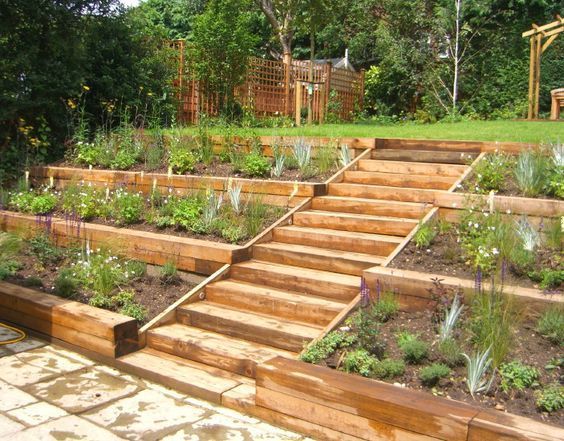
Tiered garden areas are essentially raised platforms or levels created in a garden, connected by steps or paths. They can be as simple as a few stone steps leading up to a patio, or as complex as multi-level terraces with retaining walls, water features, and planting beds. The key to a successful tiered garden area is creating a harmonious flow between each level, ensuring a smooth transition from one space to another.
Benefits of Tiered Garden Areas
Tiered garden areas offer a multitude of benefits, making them a popular choice among homeowners and landscape designers alike. Here are some of the key advantages:


- Space Maximization: Tiered gardens allow you to create distinct zones in your garden, maximizing the use of available space. Each tier can be dedicated to a different function, such as dining, relaxing, or growing specific plants.
- Water Management: Tiered gardens help control water flow, preventing erosion and directing water towards plants or drainage systems. This is particularly useful in sloped gardens or areas with heavy rainfall.
- Accessibility: Tiered gardens provide easy access to different parts of the garden, making it more enjoyable and navigable for all users, including those with mobility issues.
- Visual Interest: The stepped levels of a tiered garden create a dynamic and visually appealing landscape, adding depth and dimension to your outdoor space.
Design Considerations for Tiered Garden Areas
Before embarking on the design and creation of a tiered garden area, there are several factors to consider:
Slope and Height
The slope and height of your garden will dictate the design and scale of your tiered garden. Steeper slopes may require taller retaining walls and smaller tiers, while gentler slopes allow for larger tiers and more gradual transitions.


Materials
The materials used in your tiered garden should complement the overall aesthetic of your home and garden. Popular choices include wood, stone, brick, and concrete. Consider the durability, maintenance, and cost of each material before making a decision.
Plants and Planting
Tiered gardens provide ample opportunities for creative planting. Consider using a mix of plants with varying heights, textures, and colors to create visual interest and soften the hard edges of the tiers. Plants that thrive in different light conditions can be strategically placed on different tiers to maximize growth potential.
Accessibility and Safety
Ensure that your tiered garden is easily accessible and safe to navigate. Incorporate wide, stable steps, handrails where necessary, and adequate lighting to prevent trips and falls. Additionally, consider the needs of all users, including children and elderly family members or guests.


Maintaining Tiered Garden Areas
With proper planning and maintenance, your tiered garden area can remain a beautiful and functional space for years to come. Here are some maintenance tips to keep in mind:
- Regular Inspections: Inspect your tiered garden regularly for signs of wear, damage, or instability. Address any issues promptly to prevent them from becoming more costly and dangerous.
- Plant Care: Maintain the health and appearance of your plants by providing adequate water, nutrients, and pruning as needed. Remove any dead or diseased plants to prevent the spread of pests and diseases.
- Weed Control: Keep weeds at bay by applying a pre-emergent herbicide in early spring and regularly removing any weeds that do appear.
- Drainage: Ensure that your tiered garden has adequate drainage to prevent water from pooling and causing damage to plants or structures.
Creating and maintaining a tiered garden area requires careful planning and consideration, but the rewards are well worth the effort. By incorporating a tiered garden into your landscape, you can transform your outdoor space into a functional, visually appealing, and enjoyable retreat.




Related Articles

Small House Design Ideas with Floor Plan: Maximize Space & Style
Embracing a minimalist lifestyle often means downsizing your living space. Small house design, therefore, requires clever planning and innovative ideas to...

Maximize Your Garden Space with Tiered Gardening Ideas
Tiered gardening, also known as vertical gardening, is a innovative and space-saving method of growing plants that maximizes your garden's productivity and...

DIY Tiered Corner Plant Stand: Maximize Space with Stylish Vertical Garden
Transform your space with a stylish and functional DIY Tiered Corner Plant Stand. Not only does it add a touch of greenery, but it also maximizes your corner...

Maximize Your Garden Space with the Best Tiered Planter for Vegetables
Maximize Your Garden's Potential with Tiered Planters for Vegetables Are you looking to elevate your vegetable gardening game? Tiered planters might just be...

Maximize Your Garden Space with the Ultimate Tiered Gardening Rack
In the quest for maximizing space and efficiency in gardening, tiered gardening racks have emerged as a popular and practical solution. These innovative...

Small Courtyard Garden Design: Maximize Space & Style
Designing a Small Courtyard Garden: A Comprehensive Guide Transforming a small courtyard into a lush, inviting garden might seem daunting, but with the right...