Maximize Your Garden Space with Tiered Gardening Ideas
Tiered gardening, also known as vertical gardening, is a innovative and space-saving method of growing plants that maximizes your garden's productivity and aesthetic appeal. By arranging plants in layers or tiers, you can grow more plants in less space, creating a lush, vertical garden that's perfect for small spaces, balconies, or even indoor environments. In this article, we'll delve into the world of tiered gardening, exploring its benefits, types, and step-by-step guides to help you create your own vertical garden masterpiece.
Benefits of Tiered Gardening
Tiered gardening offers a myriad of benefits, making it an attractive option for both novice and experienced gardeners alike. Here are some key advantages:
- Space Efficiency: By growing plants vertically, you can maximize your garden's productivity in a small footprint.
- Improved Aesthetics: Tiered gardens create a visually stunning, dynamic landscape that adds depth and interest to your outdoor space.
- Better Air Circulation: Vertical gardens allow for improved airflow, reducing the risk of fungal diseases and pests.
- Easier Accessibility: Tiered gardens make it easier to tend to your plants, as they are more accessible and easier to reach.
- Sustainability: By growing more food in less space, tiered gardening promotes sustainable urban agriculture.
Types of Tiered Gardening
There are several types of tiered gardening, each with its unique features and benefits. Here are some popular options:


Wall Gardens
Wall gardens are a great way to transform vertical surfaces into thriving green spaces. They can be created using a variety of materials, such as wooden pallets, metal trellises, or even repurposed items like old ladders or bicycles.
Pocket Planters
Pocket planters are lightweight, modular systems that can be easily attached to walls or fences. They consist of individual pockets or pouches that hold soil and plants, allowing for a quick and easy installation.


Tower Gardens
Tower gardens are self-contained, vertical growing systems that can be used both indoors and outdoors. They typically consist of a central column with multiple planting levels, allowing for a high plant density.
Hanging Gardens
Hanging gardens are a classic tiered gardening technique that involves suspending plants from above, using macrame hangers, baskets, or other creative supports. This method is perfect for small spaces and can be easily adapted for both indoor and outdoor use.
Step-by-Step Guide to Creating a Tiered Garden
Ready to create your own tiered garden? Follow these step-by-step instructions to get started:


Choose Your Plants
Select plants that are well-suited to vertical gardening, such as vining plants, small shrubs, or trailing herbs. Consider factors like light requirements, water needs, and mature size when choosing your plants.
Select Your Materials
Choose materials for your tiered garden based on your desired aesthetic, budget, and the plants you've selected. Consider factors like durability, weight capacity, and ease of installation.
Design Your Garden
Sketch out a rough design for your tiered garden, taking into account the size and shape of your space, the plants you've chosen, and the materials you'll be using. Consider factors like drainage, sunlight exposure, and access for maintenance.


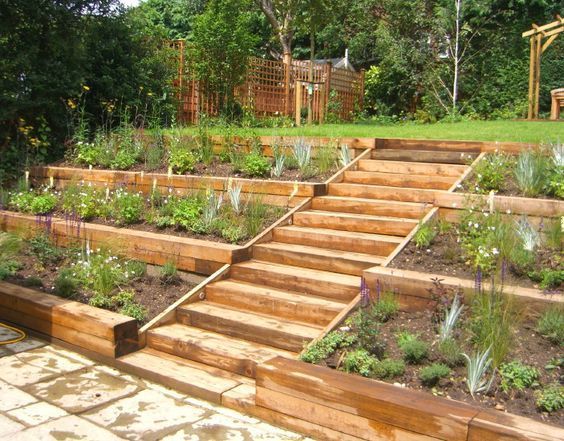


Assemble Your Garden
Using your design as a guide, begin assembling your tiered garden. This may involve building or purchasing structures, attaching pockets or pouches, or suspending plants from above. Be sure to follow any manufacturer's instructions for assembly and installation.
Plant Your Garden
Once your garden's structure is in place, it's time to plant your chosen specimens. Fill your pockets, pouches, or towers with well-draining potting soil, and carefully place your plants in their new homes. Be sure to water your plants thoroughly after planting.
Maintain Your Garden
Regular maintenance is essential for keeping your tiered garden healthy and vibrant. Water your plants as needed, prune and train vines as they grow, and monitor for signs of pests or disease. With proper care, your tiered garden will thrive and provide beauty and bounty for years to come.
FAQs
Here are some frequently asked questions about tiered gardening to help you get started:
| Question | Answer |
|---|---|
| What plants are best for tiered gardening? | Vining plants, small shrubs, and trailing herbs are well-suited to vertical gardening. Consider plants like ivy, jasmine, or creeping thyme for a lush, green display. |
| How much does a tiered garden cost? | The cost of a tiered garden can vary widely depending on the materials used, the size of the garden, and whether you build it yourself or purchase a pre-made system. Expect to spend anywhere from $50 to $500 or more. |
| Can I grow food in a tiered garden? | Yes, many fruits and vegetables can be grown in a tiered garden, including strawberries, lettuce, and even small tomatoes. Choose plants that are well-suited to vertical growing and have a compact growth habit. |
Tiered gardening is a versatile and rewarding way to maximize your garden's potential, whether you're working with a small balcony or a sprawling backyard. By embracing vertical space, you can create a stunning, sustainable garden that's both beautiful and productive. So grab your gardening gloves and get started – the world of tiered gardening awaits!
Related Articles

Maximize Your Garden Space with the Ultimate Tiered Gardening Rack
In the quest for maximizing space and efficiency in gardening, tiered gardening racks have emerged as a popular and practical solution. These innovative...

DIY Tiered Pots: 10 Creative Ideas to Maximize Your Garden Space
Elevate your indoor gardening game with DIY tiered pots, a stylish and space-saving solution for your plant collection. These multi-level plant stands not only...

Maximize Your Garden Space with the Best Tiered Planter for Vegetables
Maximize Your Garden's Potential with Tiered Planters for Vegetables Are you looking to elevate your vegetable gardening game? Tiered planters might just be...

How to Build a Vertical Pallet Garden: Maximize Space with DIY Vertical Gardening
Create a Vertical Oasis: Building a Pallet Garden Transform your outdoor space or indoor home into a lush, vertical garden with a DIY pallet garden. This...

Vertical Gardening Explained: Maximize Space with Smart Garden Design
Vertical gardening, a space-saving and visually striking horticultural practice, has gained significant popularity in recent years. This innovative approach to...

Maximize Your Space: 25+ Vertical Gardening Ideas for Small Spaces
In the heart of urban living, space is often at a premium, but that doesn't mean you have to forgo the joy of gardening. Vertical gardening is a space-saving...