That School Has a Small Playground: Cozy or Crowded?
Evaluating Playground Size in Schools: A Comprehensive Analysis
When considering the adequacy of a school's playground, the size of the play area is a crucial factor. The phrase "that school has or have a small playground" often sparks debate among parents, teachers, and administrators. Let's delve into this topic, exploring the implications of playground size, its impact on children's development, and how to assess if a playground is indeed too small.
Understanding the Importance of Playground Size
Playground size matters because it directly influences the quality and variety of play experiences children can have. A larger playground allows for more diverse play activities, catering to different ages, abilities, and interests. It also helps manage crowding, ensuring safety and reducing waiting times for equipment.
Physical Development and Safety
Larger playgrounds provide ample space for children to run, jump, and climb, promoting physical development. They also offer more room for safety surfacing, reducing the risk of injuries. According to the Consumer Product Safety Commission, proper surfacing can reduce the severity of playground-related injuries by 90%.


Social Interaction and Imagination
Bigger playgrounds encourage social interaction, allowing children to form groups, play games, and engage in dramatic play. They also stimulate imagination, as children can transform larger spaces into castles, forests, or adventure landscapes.
Assessing Playground Size: Guidelines and Best Practices
To determine if a school playground is too small, we can refer to guidelines set by organizations like the National Program for Playground Safety (NPPS) and the National Recreation and Park Association (NRPA). Here are some key factors to consider:


- Age Range: The playground should accommodate the school's age range. For instance, a school with Kindergarten to 5th grade should have a playground of at least 4,000 square feet.
- Equipment Density: The playground should not be overcrowded with equipment. A good rule of thumb is to have no more than 10-12 pieces of equipment per 1,000 square feet.
- Use Zones: Different play activities require different amounts of space. For example, climbers need more space than swings. Ensure that the playground is large enough to accommodate various use zones.
Case Studies: Real-World Examples
Let's examine two case studies to illustrate the impact of playground size on children's experiences.
| School A | School B |
|---|---|
| Playground Size: 2,500 sq. ft. | Playground Size: 6,000 sq. ft. |
| Equipment Density: 15 pieces per 1,000 sq. ft. | Equipment Density: 8 pieces per 1,000 sq. ft. |
| Teacher Observations: Crowding, limited play variety, and difficulty managing safety. | Teacher Observations: Diverse play activities, fewer behavior issues, and easier safety management. |
What Can Schools Do to Improve Playground Size?
If a school playground is found to be too small, there are several steps administrators can take:
- Lobby for school district or local government support to expand the playground.
- Partner with community organizations or businesses to fundraise for playground improvements.
- Re-evaluate playground equipment to ensure it's age-appropriate and necessary. Removing underused or unsafe equipment can free up space.
- Optimize playground layout to maximize use of available space. Consider hiring a playground designer for expert advice.
In conclusion, assessing playground size is not just about measuring square footage. It's about ensuring that children have adequate space to play, learn, and grow. By understanding the importance of playground size and following best practices for assessment and improvement, schools can create play environments that truly support children's well-being and development.


Related Articles

Hilarious School Slideshow Ideas That Will Have Everyone Laughing
Turning a standard school presentation into a memorable event is easier than you might think, and a funny slideshow is often the perfect solution. Whether you...

My School Has a Small Playground: Fun & Activities
Navigating Limited Playground Space: A Comprehensive Guide for Schools In the realm of education, the importance of play cannot be overstated. It's a vital...
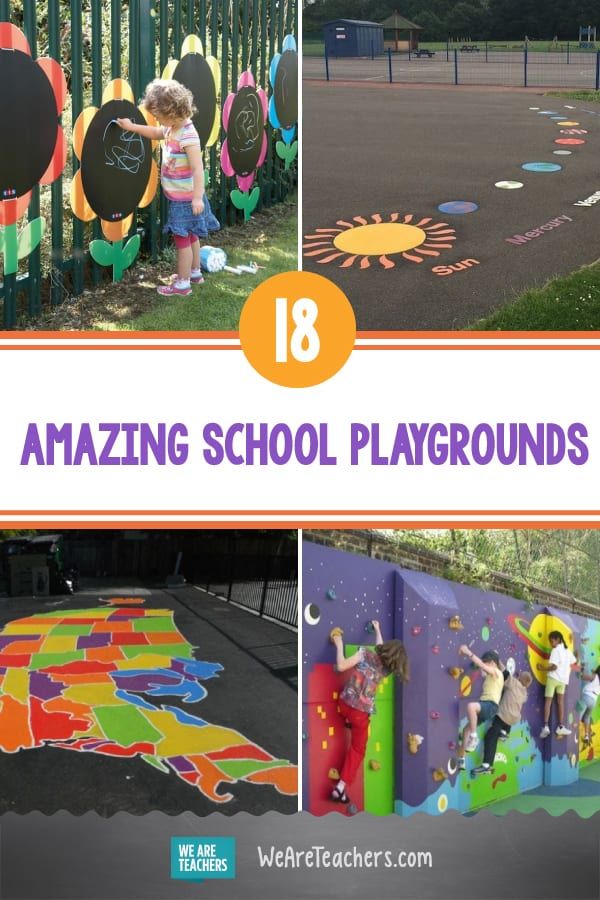
Small School Playground Ideas: Creative, Space-Saving Designs For Big Fun
Creating a safe, engaging, and fun playground for small schools can be a challenging task due to space constraints. However, with a bit of creativity and...

Small School Playground Ideas: Fun & Safe Designs for Kids
Creating Safe and Engaging Spaces: The Importance of Small School Playgrounds In the bustling world of education, the humble school playground often goes...

Cozy Small Living Room Ideas with Wood Burning Stove
Transforming Small Living Spaces: The Charm of a Wood Burning Stove In the quest for a cozy, eco-friendly, and cost-effective home, many homeowners are...

Cool Small Build Ideas Minecraft: Tiny Houses & Cozy Creations
Unleash Your Creativity: Cool Small Build Ideas in Minecraft Minecraft, with its vast sandbox environment, allows players to explore their creativity in...