Small Playground Designs: Creative Ideas for Maximizing Space
Creating Magical Spaces: Small Playground Designs
In the heart of every community lies the potential for a magical space where children can learn, grow, and play. Small playground designs, when thoughtfully crafted, can transform even the most modest of spaces into vibrant, engaging, and safe havens for young minds. Let's delve into the world of small playground design, exploring key elements, creative ideas, and best practices to inspire your next project.
Understanding Small Playground Design
Small playgrounds, often found in urban areas, backyards, or within tight community spaces, require a unique design approach. They must be efficient with space, versatile, and engaging despite their size. By understanding the specific needs, interests, and abilities of the children who will use the space, you can create a playground that sparks imagination and fosters development.
Key Elements of Small Playground Design
- Safety: Prioritize safety by using impact-absorbing surfaces, secure equipment, and age-appropriate designs.
- Versatility: Incorporate multi-functional elements that encourage different types of play, such as climbing, sliding, spinning, and balancing.
- Inclusivity: Design for accessibility and inclusivity, ensuring that children of all abilities can participate and enjoy the playground.
- Nature and Themes: Integrate natural elements and themes to create an immersive, educational, and aesthetically pleasing environment.
Creative Ideas for Small Playgrounds
Maximize your small space with these creative design ideas:


- Vertical Play: Utilize walls and fences for climbing structures, chalkboards, or interactive murals to save ground space.
- Modular Play Structures: Opt for modular, stackable, or expandable play structures that can grow with the children and adapt to the space.
- Natural Playgrounds: Incorporate natural materials like wood, stone, and plants to create a sensory-rich, eco-friendly play environment.
- Themed Playgrounds: Design around a specific theme, such as a castle, spaceship, or underwater world, to inspire imaginative play.
Best Practices for Small Playground Design
| Considerations | Best Practices |
|---|---|
| Space constraints | Maximize vertical space, use compact equipment, and consider multi-functional elements. |
| Age appropriateness | Design for specific age groups or opt for age-graded play structures to ensure safety and challenge. |
| Community involvement | Engage the local community in the design process to ensure the playground meets their needs and fosters a sense of ownership. |
Small playground designs can have a big impact on the lives of children and communities. By combining creativity, functionality, and a deep understanding of the users' needs, you can create a magical space that sparks joy, learning, and lasting memories.


Related Articles
Small Backyard Playground Ideas: Maximize Space with Creative Designs
Transforming a small backyard into a fun and engaging playground can be a rewarding project. With the right ideas and a bit of creativity, you can create a...
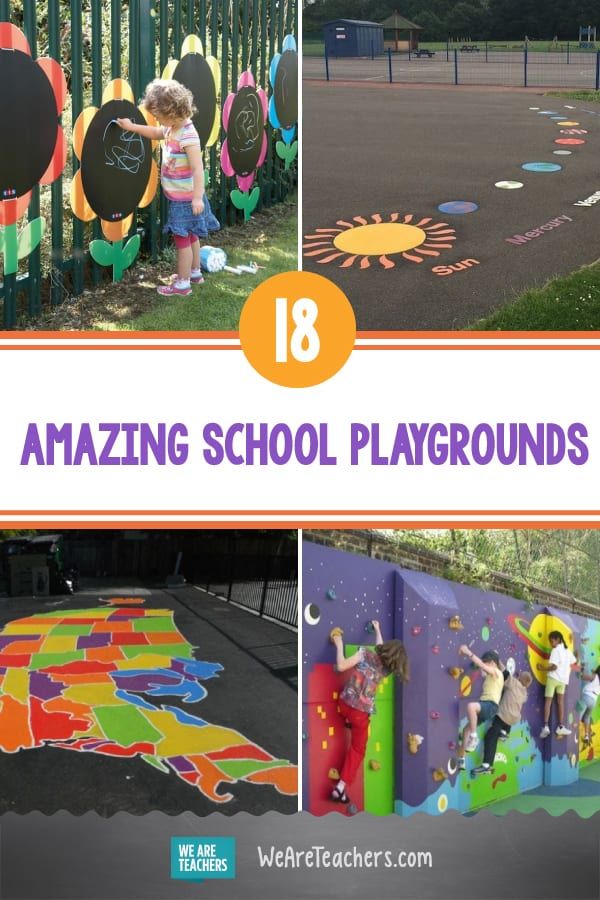
Small School Playground Ideas: Creative, Space-Saving Designs For Big Fun
Creating a safe, engaging, and fun playground for small schools can be a challenging task due to space constraints. However, with a bit of creativity and...

Black and Beige Small Bathroom Ideas: Stylish Designs for Maximizing Space
Transforming a compact bathroom into a stylish sanctuary is entirely possible with a black and beige color scheme. This palette offers a timeless elegance that...

Small Courtyard Wall Ideas: 25 Stunning Designs for Maximizing Space
Transforming Small Spaces: Inspiring Small Courtyard Wall Ideas In the quest for the perfect outdoor sanctuary, homeowners often overlook the potential of...

Small Bathroom Ideas with Black Fixtures: Stylish Designs for Maximizing Space
Maximize Style and Functionality: Small Bathroom Ideas with Black Fixtures Transforming a small bathroom into a stylish and functional space can be a...

Small Park Design Ideas: Maximizing Space with Big Style
Designing a small park requires a distinct blend of creativity and precision, turning limited square footage into a vibrant community asset. Unlike sprawling...