Creative Repurposing Decor Ideas: Stylish Upcycling Solutions
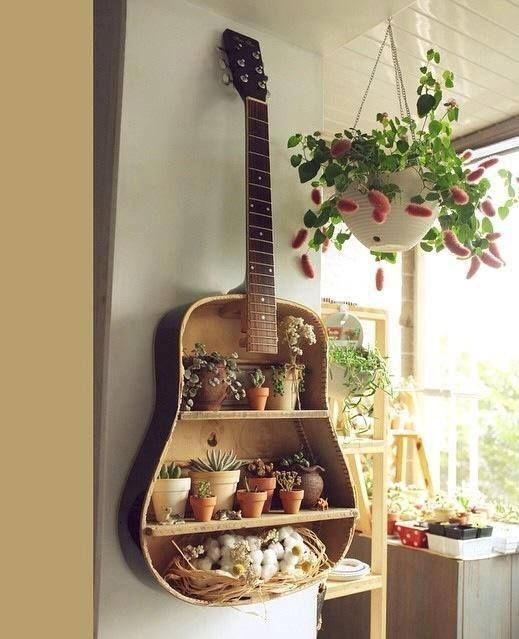
Repurposing decor is the creative act of giving an object a new life within a space, transforming its original function into something unexpected and uniquely personal. This approach moves beyond simple recycling, instead focusing on aesthetic reinvention that adds character to a room without requiring a significant budget. It is a practice that marries sustainability with style, allowing homeowners to curate an environment that tells a story rather than just filling a space. By looking at an item through a new lens, you can unlock potential that has nothing to do with its initial design intent.
The Philosophy Behind Seeing Potential
The core of repurposing lies in shifting your perspective. Instead of viewing an item as "broken" or "outdated," you begin to see it as a collection of raw materials or a canvas for expression. This mindset is the foundation of interior innovation, turning what might be destined for a landfill into a cherished feature. It encourages a deeper connection with the objects you own, fostering a sense of resourcefulness and ingenuity. The process is less about strict adherence to design rules and more about intuition and personal experimentation.
From Function to Feature
One of the most satisfying aspects of this practice is the dramatic shift in utility. A ladder that once leaned against a warehouse wall to hold tools can become a sleek vertical bookshelf in a minimalist living room. Similarly, an old window frame, stripped of its glass, can transform into a functional tray for organizing jewelry or a framed piece of art on a bedroom wall. These transitions highlight how an object's identity is not fixed, but fluid and adaptable to the flow of your personal life.


Practical Strategies for Beginners
Getting started does not require a degree in art or design; it requires curiosity and a willingness to experiment. The best projects often start with a specific need or a forgotten object that sparks an idea. Rather than buying new, train yourself to survey your current belongings for hidden possibilities. You might discover that the perfect solution for your space has been sitting in a closet or garage all along. This method not only saves money but also ensures the final result is authentically "yours."
- Start with paint: A coat of high-quality paint can completely change the texture and tone of a wooden item, making it fit seamlessly into a new aesthetic.
- Embrace hardware: Swapping out dated knobs or handles for vintage or modern fixtures can instantly update the look of furniture.
- Think vertically: Use items in unconventional ways, such as placing a small suitcase on its side to serve as a side table.
Material-Specific Inspiration
Different materials offer unique opportunities for creative transformation. Wood, being a durable and versatile medium, can be sanded down and re-stained to match a new color palette. Metal frames provide a sturdy structure that can be easily repainted to match industrial or mid-century modern schemes. Even textiles like worn-out fabrics or curtains can be cut and sewn into new pillow covers or table runners, introducing familiar patterns into the design in a subtle way.


| Original Item | Repurposed Use | Design Benefit |
|---|---|---|
| Vintage Door | Room Divider or Headboard | |
| Wooden Crate | Stackable Storage or Coffee Table | |
| Ceramic Pot | Pen Holder or Candle Vessel |
Enhancing Your Personal Narrative
Perhaps the most compelling reason to embrace repurposing is the narrative depth it adds to your home. Unlike a generic piece of furniture from a big-box store, a repurposed item carries a history that you become a part of. It might be a suitcase turned into a mobile storage unit that once traveled the world, or a door converted into a table that once guarded a entryway. These elements create a layered environment that feels collected and authentic, reflecting a personality that is active and engaged rather than passive and consumer-driven.
Sustaining Beauty Over Time
This practice is not a fleeting trend but a sustainable approach to long-term design. As tastes evolve, the ability to adapt your existing belongings ensures that your space can grow with you. A project completed today might be rearranged or refined five years from now, proving that the investment is not just in the object, but in your ability to interact with it creatively. By mastering the art of repurposing, you cultivate a home that is not only beautiful but also resilient, resourceful, and truly your own.




Related Articles

Tall Boy Dresser Decor Ideas: Stylish Storage Solutions
Elevate Your Space: Creative Tall Boy Dresser Decor Ideas Tall boy dressers, with their vertical storage and timeless design, are a staple in many homes. But...

Floating Shelf Above TV Decor Ideas: 100+ Stylish Solutions for Modern Living
Elevate Your Space: Creative Floating Shelf Above TV Decor Ideas In the quest for a clutter-free, stylish living room, one often overlooked solution is the...

Vintage License Plate Decor Ideas: Stylish Upcycling Designs
For many, the vintage license plate is more than just a piece of expired registration; it is a tangible fragment of history. These metal artifacts, with their...
Creative Repurposing Home Decor Ideas Upcycle Old Furniture Hacks
Every room tells a story, and the objects within it are the chapters. Over time, however, a favorite narrative can fade, or a space can feel stuck in a design...

Creative Crib Mobile Repurposing Ideas: Turn Old Mobiles Into Cute Decor
Repurposing a Crib Mobile: Creative Ideas for a New Life As your little one grows and transitions out of the crib, you might find yourself with a beautiful...

Creative Repurposing Plants: Sustainable DIY Ideas & Upcycling Tips
Repurposing Plants: Maximizing Growth and Minimizing Waste In the world of gardening and plant care, repurposing plants isn't just a great way to save money...