Creative Repurposing Home Decor Ideas Upcycle Old Furniture Hacks
Every room tells a story, and the objects within it are the chapters. Over time, however, a favorite narrative can fade, or a space can feel stuck in a design timeline. Repurposing home decor offers a powerful solution, turning static elements into dynamic features that breathe new life into your environment. This approach is not just about saving money; it is a creative practice that encourages you to see familiar items through a fresh lens, fostering a home that evolves alongside your taste and needs.
The Philosophy Behind Seeing Again
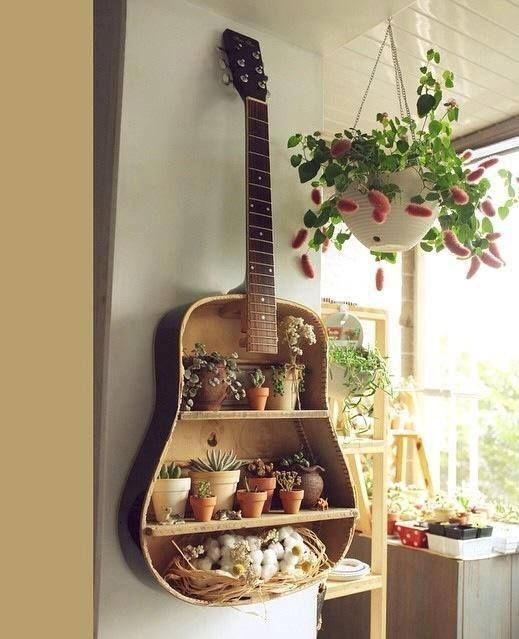
The most significant hurdle in repurposing is shifting your perspective. It requires moving beyond an item’s original function to consider its material, form, or texture. A large framed mirror, for instance, is not just for checking your appearance; it becomes a tool for manipulating light, making a narrow hallway feel expansive. Similarly, a worn-out sweater can transition from clothing to a soft, textured cushion cover, adding a layer of comfort and nostalgia to a reading nook. This mental shift transforms decluttering into a design opportunity, where every object holds potential rather than waste.
Assessing Your Current Inventory
Before diving into modifications, take stock of your belongings. Conduct a gentle audit of your storage spaces, shelves, and furniture surfaces. Look for items that no longer spark joy but possess inherent qualities you can leverage. Group potential candidates by material—such as wood, metal, or fabric—to brainstorm possibilities. A heavy ceramic vase might find new life as a minimalist desk organizer, while a set of delicate glassware could be repurposed as charming herb planters for a sunny kitchen window. This inventory phase is crucial for turning clutter into curated creativity.


| Original Item | Repurposed Function | Key Modification |
|---|---|---|
| Vertical Shelving | Clean, sand, and seal the wood | |
| Mobile Coffee Table | Add casters and a glass top | |
| Wire Cable Management | Line interior with felt |
The Art of Functional Transformation
Repurposing often leads to highly functional outcomes that are tailored to your specific lifestyle. Unlike mass-produced solutions, these customized pieces integrate seamlessly because they were born from your own inventory. An old stepladder, once secured to the wall, becomes an elegant entryway organizer for keys, mail, and sunglasses, keeping everyday essentials at eye level. This functionality extends beyond storage; a heavy book can serve as a unique paperweight, or a vintage suitcase can anchor a loose throw blanket, adding both utility and sophistication to your living area.
Embracing Aesthetic Reinvention
Beyond utility, repurposing allows for bold aesthetic experiments. You can mix eras and textures in ways that feel intentional and curated. For example, placing a collection of mismatched picture frames on a single wall creates an art gallery vibe, even if the frames are identical. Painting old chair canes a vibrant color can transform a tired piece into a bohemian statement. This process encourages experimentation without the financial risk of buying new furniture, allowing you to hone your personal style through playful iteration.


The environmental impact of choosing to repurpose cannot be overstated. In a world of fast-moving trends, extending the lifecycle of existing materials is a quiet act of sustainability. By choosing to reimagine what you already own, you reduce the demand for new resources and minimize waste heading to landfills. This conscious choice contributes to a healthier planet while simultaneously creating a home that feels deeply personal and authentic, rather than sourced from a catalog.
Cultivating a Creative Mindset
Ultimately, repurposing home decor is a practice in mindfulness and creativity. It invites you to engage with your surroundings actively, asking, "What else could this be?" The satisfaction derived from giving an object a second life is profound, fostering a sense of accomplishment that no new purchase can replicate. This ongoing dialogue between you and your space ensures that your home remains a dynamic reflection of your resourcefulness, capable of changing and growing without losing its soulful character.




Related Articles

Spice Jars Repurposing Ideas: Creative Home Decor Hacks
Those small glass jars lined up in your pantry are more than just vessels for dried beans and pasta. In the world of home styling, empty spice bottles...

The Ultimate Guide to Repurposing Rattan Furniture: Creative DIY Upcycle Ideas
Rattan furniture has long been celebrated for its organic warmth, intricate textures, and ability to effortlessly bridge indoor and outdoor living spaces...

Creative Upcycle Rattan Outdoor Furniture Ideas for Stylish Spaces
Upcycle rattan outdoor furniture is more than a passing trend; it is a tangible commitment to sustainable living and creative design. Every piece rescued from...

Creative Upcycle Furniture Ideas: Transform Old Pieces Like a Pro
Upcycling furniture is one of the most rewarding ways to transform overlooked pieces into unique centerpieces for your home. Rather than discarding an old...

Creative Upcycle Dresser Ideas: Transform Old Furniture Stunningly
Transforming an old dresser is one of the most rewarding upcycling projects you can undertake in your home. Instead of sending a piece of solid wood furniture...

Creative Upcycling Ideas: How to Transform Old Wooden Furniture Like a Pro
Upcycling old wooden furniture is one of the most rewarding ways to transform forgotten pieces into stunning, functional art for your home. Rather than sending...