Creative Playground School Ideas for Fun Learning Spaces
Transforming Learning Spaces: Innovative Playground School Ideas
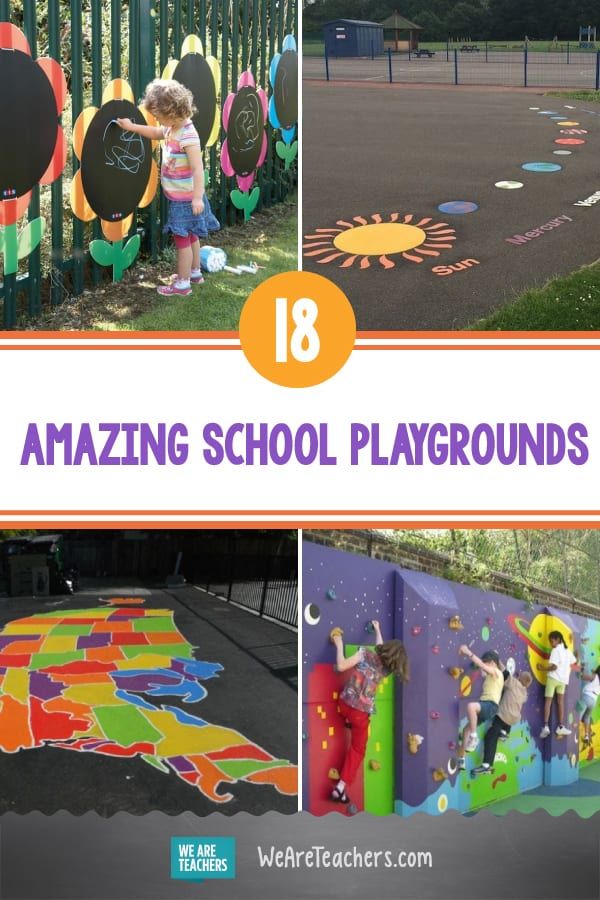
In the realm of education, the traditional classroom is evolving. Schools are increasingly recognizing the importance of outdoor learning spaces, leading to the rise of playground schools. These innovative environments blend play, learning, and nature, fostering holistic child development. Let's explore some inspiring playground school ideas that optimize learning and fun.
Understanding Playground Schools
Playground schools are designed to leverage the power of outdoor play and nature to enhance learning. They integrate playgrounds, gardens, and other outdoor spaces into the school's infrastructure, creating dynamic, interactive learning environments. These spaces are not just for recess; they are extensions of the classroom, facilitating learning through play, exploration, and discovery.
Designing Playground Schools: Key Considerations
- Safety and Accessibility: Ensure the design is safe, age-appropriate, and accessible to all students, including those with disabilities.
- Nature Integration: Incorporate natural elements like trees, plants, and water features to connect students with nature and promote environmental awareness.
- Flexibility and Multi-purpose Spaces: Design spaces that can accommodate various activities and learning styles, such as open-ended play, structured games, or quiet reflection.
- Community Involvement: Engage the local community, including parents and teachers, in the design process to ensure the playground school meets the needs of all stakeholders.
Inspiring Playground School Ideas
1. The Nature Playground
The Nature Playground is a haven for outdoor learning, featuring a variety of natural elements like logs, rocks, and sand. It encourages children to explore, create, and learn through hands-on experiences, fostering creativity, problem-solving, and a love for nature.


2. The STEM Playground
The STEM Playground is designed to inspire young scientists, engineers, and mathematicians. It includes interactive features like solar panels, wind turbines, and water tables, providing real-world applications for STEM concepts.
3. The Edible Garden
The Edible Garden is a hands-on learning space where students grow and harvest fruits, vegetables, and herbs. This space fosters an understanding of ecology, nutrition, and sustainable practices, while also providing fresh produce for the school cafeteria.


4. The Storytelling Stage
The Storytelling Stage is an amphitheater-style space designed for dramatic play, storytelling, and performances. It encourages language development, creativity, and public speaking skills, while also providing a venue for school events and community gatherings.
5. The Sensory Path
The Sensory Path is a multi-sensory learning trail that stimulates students' senses through texture, color, sound, and smell. It supports children with special needs, as well as fosters brain development and learning readiness for all students.
Evaluating the Impact of Playground Schools
Research has shown that playground schools can have a significant impact on student learning and well-being. They have been linked to improved academic performance, increased physical activity, reduced stress and anxiety, and enhanced social skills. However, it's essential to regularly evaluate the effectiveness of these spaces to ensure they continue to meet the needs of students and the school community.


Making Playground Schools a Reality
Transforming a school into a playground school is a significant undertaking, but it's a journey that can begin with small steps. Start by assessing the school's needs and resources, engaging the community, and developing a vision for the space. Then, gradually incorporate elements of a playground school, such as a garden, a shaded seating area, or a sandpit. With time, dedication, and collaboration, your school can become a dynamic, engaging learning environment that inspires students to grow and thrive.


Related Articles
Small School Playground Ideas: Creative, Space-Saving Designs For Big Fun
Creating a safe, engaging, and fun playground for small schools can be a challenging task due to space constraints. However, with a bit of creativity and...

Creative Playground Wood Border Ideas for Inspired Outdoor Spaces
Creative Playground Wood Border Ideas for Safety and Style Creating a safe and engaging play area for children is a top priority for parents and caregivers...

First Day of School Scrapbook Page Ideas: 25+ Creative Layouts & Photos
Capturing the first day of school is more than just checking a calendar box; it is a deliberate act of preserving a fleeting moment in time. The mix of...

Creative School Fancy Dress Ideas: Unique Concepts to Win the Competition
Stepping onto the school stage in a carefully chosen costume transforms a simple fancy dress competition into a powerful exercise in confidence and creativity...
Creative Border Ideas for Playground: Fun & Safe Designs
Creative Border Ideas for Playgrounds: Enhance Safety and Aesthetics When designing or renovating a playground, the border is often an overlooked aspect...

How to Decorate a File Cover for School Project: Easy & Creative Ideas
Elevate Your School Project with a Stylish File Cover First impressions matter, and a well-decorated file cover can make your school project stand out from the...