Maximize Your Space: The Ultimate Guide to Planting a Tiered Garden
Creating a Stunning Tiered Garden: A Comprehensive Guide
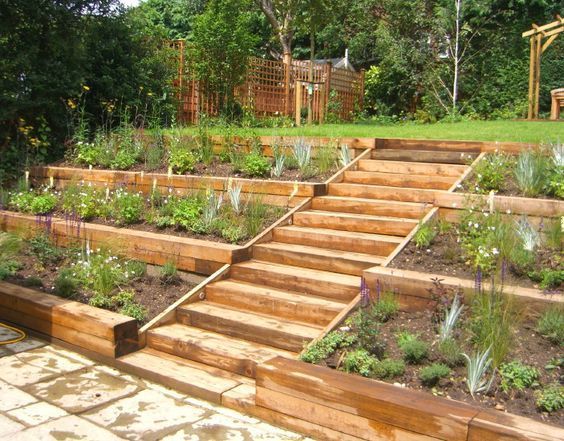
Tiered gardens, also known as raised bed or stepped gardens, are a fantastic way to maximize space, improve drainage, and create a visually striking landscape. By planting in tiers, you can grow a variety of plants, including those with different sunlight and watering needs, all in the same area. This guide will walk you through the process of designing and planting your own tiered garden, ensuring it's both beautiful and functional.
Understanding the Benefits of Tiered Gardens
Before we dive into the planting process, let's explore the advantages of tiered gardens:
- Space Maximization: Tiered gardens allow you to grow more plants in less space, making them ideal for small gardens or urban environments.
- Improved Drainage: By elevating plants, you prevent waterlogging and improve drainage, which is crucial for healthy plant growth.
- Easier Maintenance: With plants at varying heights, you can easily access and care for them, reducing strain and back pain.
- Visual Interest: Tiered gardens create a dynamic, eye-catching landscape that adds depth and dimension to your outdoor space.
Designing Your Tiered Garden
Before you start building, consider the following design elements:


Size and Scale
Determine the size and scale of your tiers based on the available space and the plants you want to grow. Generally, tiers should be no more than 4 feet high to ensure stability and accessibility.
Materials
Choose durable, weather-resistant materials for your tiers, such as wood, stone, or composite. Ensure the material is safe for plants and won't leach harmful chemicals into the soil.


Plant Selection
Select plants based on their size, sunlight requirements, and water needs. Group plants with similar requirements together to ensure they thrive in their respective tiers. Some popular tiered garden plants include:
- Herbs: Thyme, oregano, chives
- Vegetables: Lettuce, spinach, radishes
- Flowers: Petunias, pansies, violas
- Ornamentals: Dwarf conifers, miniature roses, small shrubs
Building Your Tiered Garden
Once you've finalized your design, it's time to start building. Here's a step-by-step guide:
Preparation
Measure and mark the location of your tiers. Clear the area of any debris, and lay out a base of landscape fabric to prevent weeds from growing up through your tiers.




Foundation
Create a solid foundation for each tier using concrete blocks, pavers, or a poured concrete base. Ensure the foundation is level and stable to support the weight of the tiers and plants.
Building the Tiers
Using your chosen material, build the tiers according to your design. Ensure each tier is securely attached to the one below it for stability. Leave space between tiers for easy access and drainage.
Filling with Soil
Fill each tier with high-quality, well-draining potting soil. Mix in some compost to enrich the soil and promote healthy plant growth. Ensure each tier is filled to the top to provide a stable base for your plants.


Planting Your Tiered Garden
Now that your tiers are built and filled with soil, it's time to plant:
Plant Selection
Refer to your plant list and group plants with similar requirements together. Consider the mature size of each plant to ensure they have enough space to grow.
Planting
Create a planting plan, placing taller plants at the back of each tier and shorter plants in the front. This ensures all plants receive adequate sunlight and creates a visually appealing arrangement. Follow these steps to plant:
- Dig a hole in the soil large enough to accommodate the plant's root system.
- Gently remove the plant from its container, loosening any tangled roots.
- Place the plant in the hole, ensuring the root flare is level with the soil surface.
- Fill in around the plant with soil, gently pressing it down to remove air pockets.
- Water the plant thoroughly to settle the soil and provide moisture.
Mulching
Apply a layer of organic mulch around the base of each plant to retain moisture, suppress weeds, and regulate soil temperature. Ensure the mulch doesn't touch the plant stems to prevent rot.
Maintaining Your Tiered Garden
To keep your tiered garden looking its best, follow these maintenance tips:
- Watering: Water your plants consistently, adjusting for the specific needs of each plant. Tiered gardens may require more frequent watering due to improved drainage.
- Fertilizing: Feed your plants with a balanced, slow-release fertilizer according to package instructions. Regularly test your soil pH to ensure optimal nutrient uptake.
- Pruning: Prune plants as needed to maintain their shape and encourage bushy growth. Remove dead or dying foliage to prevent disease.
- Weeding: Keep weeds at bay by regularly inspecting your tiers and removing any invasive plants. A layer of mulch will help suppress weed growth.
By following these steps and providing consistent care, your tiered garden will thrive, providing a stunning, functional landscape for years to come.
Related Articles

Maximize Your Garden Space: The Ultimate Tiered Vegetable Planter Guide
Elevate your gardening game with a tiered vegetable garden planter, a space-saving and visually appealing solution for urban gardeners and small-space...

Maximize Your Space: The Ultimate Guide to Growing a Vegetable Garden on Your Balcony
Growing a Vegetable Garden on a Balcony: A Comprehensive Guide Transforming a small balcony into a thriving vegetable garden might seem challenging, but with...

Maximize Your Space: The Ultimate Guide to Planting Terrace Greenery
Transforming Vertical Space: The Art of Planting a Terrace Garden In the quest for a greener, more sustainable world, vertical gardening has emerged as a...

Maximize Your Space: The Ultimate Terrace Planting Method Guide
Discover the art of vertical gardening with the terrace planting method, a space-saving and aesthetically pleasing solution for urban gardens and small spaces...
Maximize Your Space: The Ultimate Tiered Garden Planter for Growing Vegetables
Are you looking to grow your own vegetables but struggling with limited space? A tiered garden planter might be the perfect solution for you. These innovative...

Maximize Your Garden Space with the Ultimate Tiered Gardening Rack
In the quest for maximizing space and efficiency in gardening, tiered gardening racks have emerged as a popular and practical solution. These innovative...