Maximize Your Space: The Ultimate Terrace Planting Method Guide
Discover the art of vertical gardening with the terrace planting method, a space-saving and aesthetically pleasing solution for urban gardens and small spaces. This comprehensive guide will delve into the intricacies of terrace planting, its benefits, and step-by-step instructions to create your own vertical garden masterpiece.
Understanding Terrace Planting
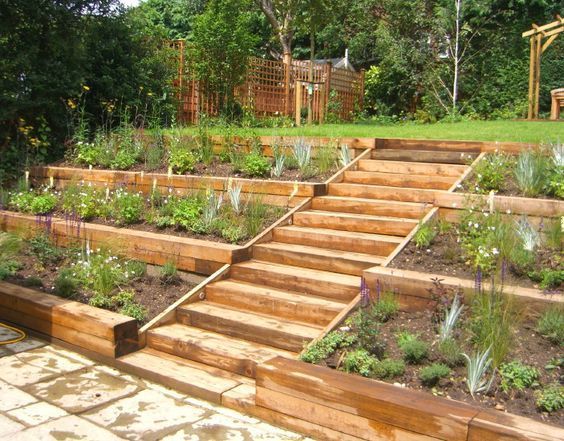
Terrace planting, also known as stepped planting or stair-step planting, is a vertical gardening technique that involves planting in ascending or descending rows, creating a stepped or terraced effect. This method is particularly useful for sloped or uneven surfaces, as it helps to stabilize the soil and prevent erosion. Additionally, terrace planting can significantly increase the amount of growing space in small gardens or urban environments.
Benefits of Terrace Planting
- Space Efficiency: Terrace planting allows you to grow more plants in less space, making it an ideal solution for small gardens and balconies.
- Soil Stabilization: The stepped structure of terrace planting helps to retain soil and prevent erosion, especially on sloped or uneven surfaces.
- Water Conservation: The terraced design allows water to be distributed evenly among plants, reducing waste and promoting efficient water usage.
- Aesthetic Appeal: Terrace planting creates a visually striking and unique garden landscape, adding character and charm to your outdoor space.
Choosing the Right Location and Plants
Before you begin, consider the location and orientation of your terrace garden. South-facing terraces receive the most sunlight, making them ideal for heat-loving plants. North-facing terraces are cooler and better suited for shade-loving plants. East- and west-facing terraces receive morning or afternoon sun, respectively, and can accommodate a mix of plant types.


Select plants that are well-suited to terrace planting, such as those with shallow root systems or trailing habits. Some popular choices include:
- Herbs: Thyme, oregano, and chives
- Vegetables: Lettuce, spinach, and radishes
- Flowers: Petunias, verbena, and impatiens
- Ground covers: Creeping Jenny, deadnettle, and creeping thyme
Materials and Tools Needed
To create your terrace garden, you'll need the following materials and tools:


- Sturdy, untreated wood or composite boards for the terrace frames
- Galvanized nails or screws for assembly
- Weed barrier fabric
- Potting soil or raised bed mix
- Plants and seeds
- Hammer or drill (for assembly)
- Tape measure
- Circular saw or handsaw (for cutting wood)
Steps to Create a Terrace Garden
| Step | Description |
|---|---|
| 1 | Measure and cut the wood boards to create the terrace frames. The width of each frame should be equal to the desired height of your terraces. |
| 2 | Assemble the frames using nails or screws, ensuring they are sturdy and level. |
| 3 | Lay down weed barrier fabric to prevent weeds from growing up through the soil. |
| 4 | Fill each frame with potting soil or raised bed mix, leaving space for plants and seeds. |
| 5 | Plant your chosen plants and seeds, following the recommended spacing guidelines for each variety. |
| 6 | Water the plants thoroughly, ensuring the soil is evenly moist but not waterlogged. |
| 7 | Monitor the plants regularly, providing additional water and nutrients as needed. Prune and maintain the garden to encourage healthy growth. |
Terrace planting is a versatile and rewarding gardening method that allows you to maximize your growing space and create a visually stunning garden landscape. By following the steps outlined in this guide, you'll be well on your way to cultivating a thriving vertical garden that you can enjoy for years to come.




Related Articles

Maximize Your Space: The Ultimate Guide to Planting Terrace Greenery
Transforming Vertical Space: The Art of Planting a Terrace Garden In the quest for a greener, more sustainable world, vertical gardening has emerged as a...
The Ultimate Guide to Terrace Gardening Essentials: Maximize Your Space & Greenery
Mastering Terrace Gardening: Essential Tools, Techniques, and Tips Terrace gardening is a vertical gardening method that maximizes space and resources, making...

Maximize Your Space: The Ultimate Terrace Garden with Gazebo Guide
Transform your outdoor space into a serene oasis with a terrace garden featuring a gazebo . This combination not only enhances your home's aesthetic appeal but...

Maximize Your Space: The Ultimate Guide to Terrace & Backyard Garden Design
Transforming Your Backyard: The Allure of Terrace Garden Designs In the pursuit of creating an inviting and functional outdoor space, many homeowners are...

Maximize Your Space: Ultimate Guide on How to Deal With a Small Kitchen
Living in a small kitchen can feel like navigating a well-worn shoebox, where every inch is claimed and every movement requires intention. The reality...

Maximize Your Space: The Ultimate Guide to Bathroom Makeup Vanity Width
When planning a new bathroom layout or renovating an existing one, the dimensions of the fixtures dictate the flow of the space. Among these, the width of the...