Creative Landscaping Ideas for Exposed Tree Roots in Your Yard
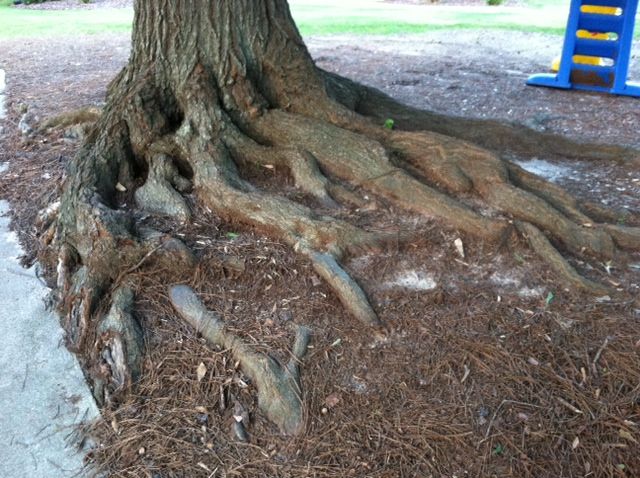
Exposed tree roots are a common challenge for homeowners who want a lush, functional yard. These raised surfaces can create mowing hazards, disrupt lawn care, and make it difficult to grow healthy grass. Instead of seeing them as a problem, consider them an opportunity to redesign your landscape with texture, character, and purpose. The right approach blends practicality with aesthetics, turning a difficult spot into a stunning focal point.
Understanding the Root System
Before diving into design ideas, it helps to understand why roots surface in the first place. Trees naturally seek oxygen, water, and stability, which often leads them to grow near the soil’s surface. Aggressive species like maples, elms, and poplars are especially prone to this. Cutting or damaging these roots can harm the tree’s health, making it crucial to work with the existing structure rather than against it. By respecting the tree’s biology, you ensure both the landscape and the tree thrive together.
Design Principle: Work With, Not Against, the Roots
The most successful landscaping ideas for exposed tree roots prioritize the tree’s health while solving usability issues. Heavy foot traffic compacts the soil, depriving roots of oxygen, so minimizing pressure is essential. Aim for solutions that add beauty without requiring deep digging or soil replacement. The goal is to create a harmonious environment where the tree remains the dominant, healthy element while the surrounding area becomes easier to navigate and enjoy.


Mulch as a Natural Carpet
A fresh layer of organic mulch is one of the simplest and most effective ways to handle exposed roots. Mulch protects the roots from lawn mower damage, conserves moisture, and suppresses weeds. Opt for a quality wood mulch or shredded bark, and spread it in a gentle layer about 2 to 4 inches deep. Avoid the common mistake of piling mulch against the trunk, which can cause rot; instead, let it taper down to nothing at the base. This approach creates a uniform, forest-like look that softens the jagged edges of the roots.
Stepping Stone Pathways
For yards with heavy foot traffic, installing stepping stones is both practical and decorative. By distributing weight across designated points, you prevent soil compaction and protect the roots from damage. Choose natural stone, brick, or large pavers that complement your home’s exterior. Arrange them in a curve or gentle pathway for a sense of movement. The contrast between the hard stone and the textured roots adds visual interest, turning a dull stretch of yard into a charming journey through the landscape.


Ground Covers for Living Carpet
If you want more than a plain mulch ring, consider shade-tolerant ground covers. Plants like creeping thyme, ajuga, or sweet woodruff thrive in low-light, high-root environments where grass struggles to grow. They form a lush, living carpet that drapes over the roots, softening their appearance. These plants require minimal maintenance once established and often provide seasonal flowers or fragrant foliage. This option is ideal for those seeking a low-maintenance, eco-friendly alternative to traditional lawn grass.
Hardscaping with Style
For a modern, minimalist look, hardscaping materials such as gravel, decomposed granite, or large river rocks can work beautifully. These materials allow water and air to reach the soil while providing a clean, uniform surface. You can create geometric patterns or organic shapes that follow the flow of the roots. Hardscaping is especially useful in high-traffic zones like entryways or along pathways. Just ensure the material is laid over landscape fabric to prevent weeds and maintain a neat, polished appearance year-round.
Functional Furniture and Lighting
Another creative approach is to incorporate the roots into the furniture itself. A strategically placed bench or bistro set can literally rest on the roots, turning a design challenge into a conversation starter. Use durable, weather-resistant materials like teak or metal to ensure longevity. Adding low-voltage landscape lighting around the base enhances safety at night and highlights the texture of the roots. This transforms a once-ignored corner of the yard into an inviting, atmospheric nook for evening relaxation.



| Solution | Best For | Maintenance Level |
|---|---|---|


Related Articles
Creative Landscaping Ideas Around Tree Roots - Transform Your Yard
Tree roots create a unique set of challenges for any landscape, pushing up sidewalks and smothering grass. Rather than viewing these exposed roots as an...
Creative Landscaping Ideas for Exposed Tree Roots
Discovering a network of exposed tree roots in your yard can feel like an unexpected obstacle course for your landscaping plans. These visible roots often...
Creative Front Yard Landscaping Ideas Around Tree Roots
Dealing with tree roots in your front yard can feel like an uphill battle, but it is one of the most rewarding projects for enhancing curb appeal. Rather than...

Creative Landscaping Ideas with Tree Logs: Transform Your Garden
Transforming raw tree logs into stunning landscape features is one of the most rewarding ways to add instant character and rustic charm to any outdoor space...
Transforming Exposed Tree Roots: Stunning Landscaping Ideas
Homeowners and landscape designers often face the challenge of exposed tree roots. These raised surfaces disrupt an otherwise smooth lawn, create hazards for...

10 Stunning Landscaping Ideas to Hide Exposed Tree Roots
Discovering exposed tree roots in your yard can feel like an unexpected obstacle, but with the right landscaping ideas for exposed tree roots, it becomes an...