Transforming Exposed Tree Roots: Stunning Landscaping Ideas
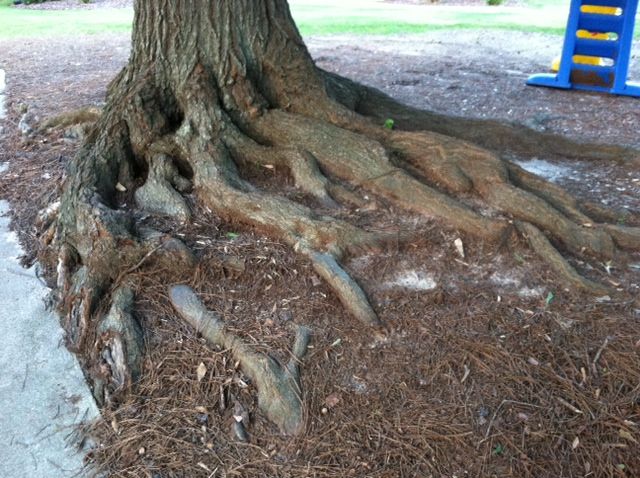
Homeowners and landscape designers often face the challenge of exposed tree roots. These raised surfaces disrupt an otherwise smooth lawn, create hazards for mowers and pedestrians, and complicate lawn care. Understanding why these roots emerge and how to manage them is essential for maintaining both the health of the tree and the usability of the surrounding area.
Why Roots Become Exposed
The primary reason roots rise above the soil is simple physics: there is simply no room underground. As a tree matures, its root system expands outward rather than solely downward, seeking water and nutrients. In urban and suburban settings, infrastructure like foundations, driveways, and underground utilities often blocks this growth, forcing roots upward.
Soil quality plays a critical role in this process. Compacted soil, poor drainage, or heavy clay content limits the oxygen and space available below ground. When the ground is too hard or lacks the proper structure, the tree redirects its growth toward the surface, where conditions are more favorable. Erosion is another common culprit; once the topsoil washes away, the roots anchoring the tree are left vulnerable and visible.


Strategic Planting to Minimize Future Problems
Selecting the right tree for the right space is the most effective long-term strategy. Before planting, always research the mature size of the species. Large shade trees, such as oaks or maples, require ample space away from structures, while smaller ornamental trees are better suited for areas with limited real estate.
- Check Utilities First: Always call 811 (or your local utility locating service) before digging to avoid damaging gas, water, or electrical lines.
- Assess Space: Measure the distance to nearby structures, power lines, and underground pipes to ensure the tree has enough room to grow.
- Prioritize Soil Health: Look for species that thrive in your local soil pH and drainage conditions to reduce stress on the tree.
Protect Surface Roots Correctly
Mulching for Health and Aesthetics
Applying a layer of mulch is the single best method for protecting exposed roots. Mulch conserves soil moisture, regulates temperature, and reduces lawn mower damage. However, the application technique is vital. A thick "mulch volcano" that piles mulch directly against the trunk can trap moisture and cause decay.


The correct approach is to apply a 2 to 4-inch layer of organic mulch in a wide ring. Crucially, leave a gap between the mulch and the trunk of the tree to allow the bark to breathe. This "donut" shape protects the roots while giving the landscape a finished, professional look.
Ground Covers and Decorative Solutions
When dealing with shallow roots in high-traffic areas, replacing grass with ground cover is often the most practical solution. Fine fescue grasses require less mowing and are more tolerant of root competition than traditional Kentucky bluegrass. Alternatively, low-growing perennials such as creeping thyme or sedum can thrive in the difficult conditions.
For purely aesthetic purposes, homeowners might consider using pea gravel, decomposed granite, or stepping stones. These materials create a stable walking surface while allowing water to permeate the soil. Just ensure that whatever material you choose does not compact the soil further or prevent the tree from absorbing moisture.




| Solution | Best For | Important Consideration |
|---|---|---|
| Mulching | Tree health and erosion control | Keep mulch away from the trunk |
| Shallow-rooted Grasses | Lawns that see light foot traffic | |
| Ground Covers | Shady, dry areas where grass won't grow | |
| Hardscaping (Gravel/Stepping Stones) | High-traffic walkways and visual appeal |
When to Consult a Professional
While many surface root issues can be managed with proper mulching and planting choices, some situations indicate deeper structural problems. If the roots are heaving dramatically, causing cracks in sidewalks, or if the tree is suddenly leaning, it is critical to consult a certified arborist.
An arborist can perform a soil analysis to determine if compaction is the issue and recommend solutions like vertical mulching. They can also assess whether the roots pose a risk to the foundation of a house. Ignoring significant structural root problems can lead to the destabilization of the tree itself, creating a safety hazard.
Avoid Common Harmful Practices
It can be tempting to address the uneven landscape by cutting the roots or adding a thick layer of soil. However, both of these actions can severely damage or kill the tree. Cutting roots creates open wounds that allow diseases and pests to enter the trunk, and it destabilizes the tree's anchor system.


Adding soil, a process known as soil fill, suffocates the surface roots by depriving them of oxygen. Even adding just a few inches of soil can block the oxygen exchange necessary for the tree's survival. If the grade needs to be raised to level the area, it is far safer to use above-ground solutions like raised bed edging rather than burying the roots.
Ultimately, working with a tree's natural growth pattern results in a healthier landscape. By respecting the visible roots and addressing the issue with tailored solutions, you protect the longevity of the tree while creating a safe and attractive outdoor space for years to come.
Related Articles

10 Stunning Landscaping Ideas to Hide Exposed Tree Roots
Discovering exposed tree roots in your yard can feel like an unexpected obstacle, but with the right landscaping ideas for exposed tree roots, it becomes an...
Creative Landscaping Ideas for Exposed Tree Roots
Discovering a network of exposed tree roots in your yard can feel like an unexpected obstacle course for your landscaping plans. These visible roots often...
Creative Landscaping Ideas for Exposed Tree Roots in Your Yard
Exposed tree roots are a common challenge for homeowners who want a lush, functional yard. These raised surfaces can create mowing hazards, disrupt lawn care...

Small Tree Island Landscaping Ideas: 10 Stunning Designs
Transforming a small tree island into a captivating landscape feature requires a strategic approach that balances aesthetics with horticultural science. Often...

Stunning Outdoor Tree Landscaping Ideas for a Greener Yard
Transforming your outdoor space starts with the trees that define it. Thoughtful outdoor tree landscaping ideas can turn a simple yard into a functional...

Stunning Spruce Tree Landscaping Ideas for a Stunning Yard
Spruce trees are a cornerstone of classic landscape design, offering year-round structure, texture, and a sense of grandeur. Their iconic conical shape and...