Master the Scoop: Pro Tips on How to Hold a Goalie Stick Correctly
Mastering the fundamentals of goaltending starts long before the first shot is taken. How to hold a goalie stick is the most critical initial step for any player serious about protecting the net, as it dictates control, stability, and confidence during high-pressure situations.
The Foundation: Top Hand Positioning
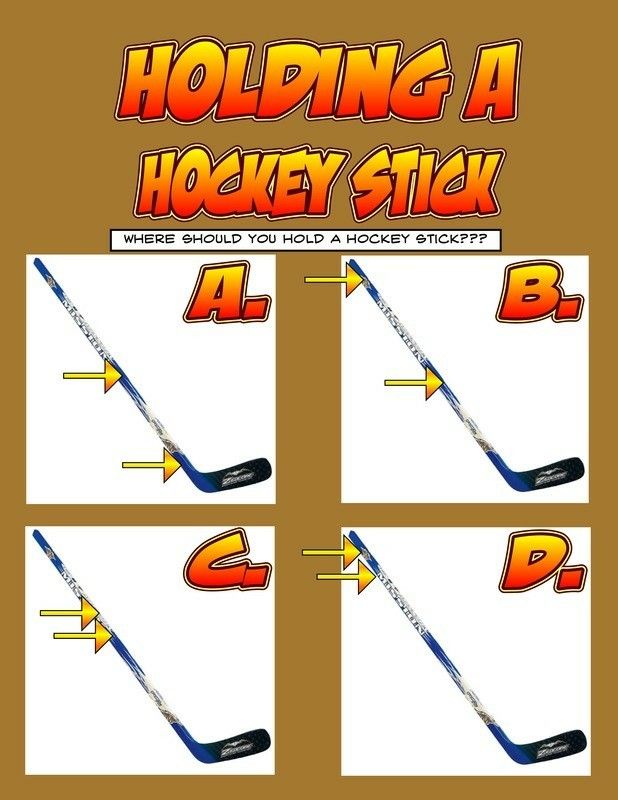
Proper hand placement is the bedrock of effective goaltending, and it begins with the dominant hand. This hand should be placed at the very end of the shaft, creating a secure anchor point that allows for maximum leverage and pendulum motion. The thumb should rest comfortably on the flat edge of the stick, pointing directly down the curve, which ensures a stable grip without limiting the wrist's fluid rotation.
Adjusting for Comfort and Control
While the standard placement is at the end, slight adjustments can optimize comfort based on arm length and playing style. Moving the hand slightly down the shaft can shorten the effective length for quicker lateral movement, whereas sliding it up provides greater reach for covering the five-hole. The key is to maintain a relaxed grip pressure; squeezing too tightly will cause fatigue and reduce the stick's natural rebound control.


The Supporting Role: Bottom Hand Dynamics
The bottom hand acts as the steering mechanism and the primary source of power for directional pushes. It should be positioned roughly shoulder-width apart from the top hand, closer to the paddle's heel. This configuration provides a solid base for blocking low shots and allows the goaltender to "guide" the puck to the corners with precision rather than simply knocking it away.
Creating the Strong Structure
To assume the ready stance, the knees should be bent, and the hands should be brought up to the height of the knees or slightly higher. The stick itself should be positioned vertically, covering the five-hole, with the blade flat on the ice. In this athletic position, the top hand remains active while the bottom hand provides the structural support necessary to absorb the force of a hard shot without the stick collapsing.


The Push vs. The Pull Method
Goaltenders utilize two distinct philosophies regarding stick movement: the push and the pull. The push method involves keeping the stick on the ice and using the bottom hand to drive the stick head laterally, which is efficient for blocking but can sometimes telegraph the angle to the shooter. Conversely, the pull method involves lifting the stick off the ice to move quickly across the crease, which offers agility but requires exceptional hand-eye coordination to re-establish the save position.
Hybrid Techniques for Modern Goaltending
Most elite goaltenders today employ a hybrid approach, utilizing a quick push for low shots and a swift pull for high-traffic areas. Regardless of the method chosen, the hands must work in unison. The top hand guides the trajectory, while the bottom hand controls the speed and depth of the movement, ensuring the stick is always in the optimal position to make the save.
Common Errors and Corrective Measures
Beginners often struggle with a "fly-casting" motion, where the top hand crosses over the body during a push. This error drastically reduces blocking surface and exposes the five-hole. Another frequent mistake is holding the stick too tightly, which leads to a phenomenon known as "goalie's elbow," where the blocker hand tires rapidly, causing the pad to drop and open the net.


Training for Muscle Memory
Developing a proper hold requires consistent dryland training. Goaltenders should practice holding the stick in the ready position for extended periods to build core and wrist strength. Shadow movements without a puck help engrain the muscle memory necessary to maintain hand placement subconsciously, allowing the goaltender to focus entirely on the puck's trajectory during actual play.


Related Articles
How to Hold a Goalie Hockey Stick: Master the Glove Grip
Mastering the fundamentals of goaltending starts long before the first whistle blows; it begins with understanding how to hold a goalie hockey stick correctly...

How to Hang a Goalie Stick on the Wall: Easy Mounting Tips
Hanging a goalie stick on the wall is more than just a storage solution; it is a statement of passion for the game. For players and fans alike, displaying this...

Master Polaroid One Step Settings: Instant Camera Tips & Tricks
Getting the most from your Polaroid OneStep requires understanding the specific camera settings and functionalities that define its unique shooting experience...

Master Bathroom No Door Ideas: Sleek Open Designs & Smart Tips
Revolutionize Your Bathroom Design: Master Bathroom No Door Ideas In the realm of home design, the master bathroom has evolved from a purely functional space...

Pinterest Master Bathroom Ideas: Stylish Designs & Renovation Tips
Transform Your Space: Pinterest-Worthy Master Bathroom Ideas Are you dreaming of a luxurious, spa-like master bathroom? Look no further! We've scoured...

Master Woodworking Tips and Tricks PDF: Expert Techniques Revealed
For the dedicated woodworker, whether a seasoned professional or a passionate beginner, having a curated woodworking tips and tricks PDF is an invaluable...