How to Hold a Goalie Hockey Stick: Master the Glove Grip
Mastering the fundamentals of goaltending starts long before the first whistle blows; it begins with understanding how to hold a goalie hockey stick correctly. The grip is the foundational connection between the goaltender and the equipment, serving as the primary point of control for every save, pass, and clearance. A proper hold provides stability, enhances reaction time, and minimizes the physical fatigue associated with maintaining a ready stance for an entire period.
The Anatomy of a Goaltender's Grip
To understand how to hold a goalie hockey stick, one must first identify the two distinct hands and their specific roles. The dominant hand, typically the top hand on the shaft, is responsible for controlling the angle and the range of motion of the stick blade. This hand acts as the pilot, dictating where the pad travels to cover the five-hole or block a shot across the crease. Conversely, the non-dominant hand functions as the anchor and power source, situated at the base of the shaft near the paddle. Its primary functions are to stabilize the structure and provide the leverage needed to block high-velocity pucks effectively.
Hand Placement and Positioning
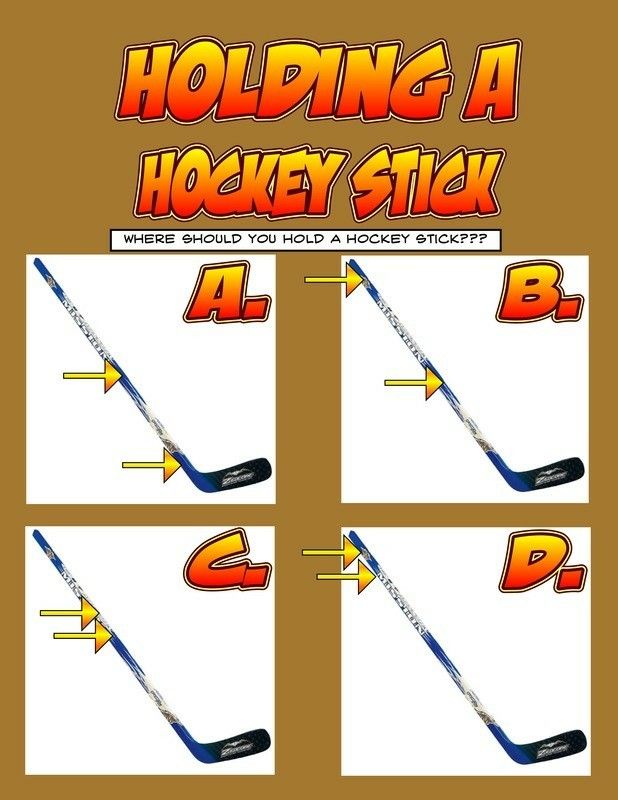
The positioning of the hands varies slightly depending on whether the goaltender plays in the Butterfly or Hybrid style, but the core principles remain consistent. For the top hand, you should grip the shaft in the webbing between the thumb and index finger, ensuring a relaxed yet secure hold. The bottom hand should be placed roughly shoulder-width apart from the top hand, aligning with the hip or slightly wider. This width creates a solid triangular base, preventing the stick from tipping or rotating wildly on rebounds.


Common Mistakes to Avoid
Many novice goaltenders make the critical error of gripping the stick too tightly, often clutching the handle as if afraid of dropping it. This tension restricts the fluid motion required to track the puck and leads to premature exhaustion. Another frequent mistake is "stacking," where the top elbow drops inward toward the ribs. This collapses the defensive frame, opening the gaps for low-angle shots and reducing the ability to move the pad efficiently across the crease.
Stick Positioning in Stance
How you hold the stick is intrinsically linked to how you stand. In the ready position, the stick should be vertical or slightly tilted forward, with the blade flat on the ice. This ensures that the goaltender is prepared to move in any direction without having to adjust the blade angle first. The knees should be bent, and the weight should be distributed over the balls of the feet, allowing the goaltender to slide efficiently rather than step, maintaining constant contact with the ice through the stick.


The Butterfly and the Blade
When dropping into the Butterfly stance—the most common modern technique—the grip adapts to protect the net's lower corners. The top hand remains high and firm, while the bottom hand guides the paddle down to meet the ice. The blade must square off with the shooters, presenting a solid surface to deflect pucks rather than allowing the puck to slip between the pad and the ice. Proper grip pressure ensures the pad slides correctly, sealing the five-hole without overextending the leg muscles.
Adapting to Different Situations
As the flow of play changes, the grip must adjust dynamically. When challenging an angle or moving laterally across the crease, the hands should widen slightly to increase leverage and control, allowing for quick micro-adjustments to the pad position. During a post-up or screen situation, the grip may tighten momentarily for better feel and positioning, but it should never lock up completely. Maintaining a soft grip with firm control is the ideal balance, enabling the goaltender to react instinctively to passes, tips, and deflections.


Related Articles

Master the Scoop: Pro Tips on How to Hold a Goalie Stick Correctly
Mastering the fundamentals of goaltending starts long before the first shot is taken. How to hold a goalie stick is the most critical initial step for any...

Hockey Goalie Stick Wall Mount: Secure Storage & Organization
For the dedicated goaltender, organizing equipment is about more than just tidiness; it is a critical component of a professional routine. A hockey goalie...

How to Hang a Goalie Stick on the Wall: Easy Mounting Tips
Hanging a goalie stick on the wall is more than just a storage solution; it is a statement of passion for the game. For players and fans alike, displaying this...

Drill Bit Pumpkin Carving: Master 10+ Spooky Designs
Revolutionize Your Pumpkin Carving: The Drill Bit Technique As the leaves change color and the air turns crisp, pumpkin carving enthusiasts everywhere are...

Top-Rated Master Bathroom Accessories Set Price in Pakistan – Stylish & Affordable
Master Bathroom Accessories Set Price in Pakistan: A Comprehensive Guide When it comes to designing or renovating your bathroom, the master bathroom is often...

Luxury Master Bedroom Bathroom Design: Elegant Spa Retreat Ideas
Elevate Your Morning Routine: Luxury Master Bedroom Bathroom Design Transform your master bedroom into a private oasis with a luxury bathroom design that...