How to Draw a Deck of Cards Step by Step: Easy Guide
How to Draw a Deck of Cards Step by Step: A Comprehensive Guide
Ever wondered how to create your own deck of cards? Whether you're an artist looking to expand your skills or a magician in need of a custom deck, drawing a deck of cards can be a rewarding project. In this step-by-step guide, we'll walk you through the process of drawing a standard 52-card deck, complete with suits and face cards.
Gather Your Materials
Before you begin, ensure you have the following materials:
- Pencil (HB or 2B for beginners)
- Eraser
- Paper (A4 or letter size)
- Ruler (optional, for measuring card dimensions)
- Colored pencils or markers (for adding colors and details)
Understand the Basics of a Card
Before diving into the drawing process, it's essential to understand the basic components of a playing card. A standard card is a rectangle with the following features:


- Width: 2.5 inches (63.5 mm)
- Height: 3.5 inches (88.9 mm)
- Index: The narrow side of the card, usually where the suit is displayed
- Face: The wider side of the card, where the rank and suit are typically shown
Draw the Card Outline
Start by drawing a rectangle on your paper using the dimensions mentioned above. This will serve as the outline for your card. To ensure accuracy, you can use a ruler to measure and draw the lines.
Draw the Index
On the narrow side of your rectangle, draw a small circle or oval. This will represent the index, where the suit symbol will be placed.


Draw the Face
On the wider side of your rectangle, draw a larger circle or oval. This will serve as the face of the card, where the rank and suit will be displayed.
Add the Suits
Now that you have the basic outline of your card, it's time to add the suits. A standard deck has four suits: hearts, diamonds, clubs, and spades. Each suit has a unique symbol that can be represented in a variety of ways. Here are some simple ways to draw each suit:
| Suit | Symbol |
|---|---|
| Hearts | |
| Diamonds | |
| Clubs | |
| Spades |
Draw the chosen symbol inside the index circle or oval you created earlier. Make sure the symbol is centered and well-proportioned within the space provided.


Add the Ranks
The rank of a card represents its value in a game. In a standard deck, there are 13 ranks: Ace, 2, 3, 4, 5, 6, 7, 8, 9, 10, Jack, Queen, and King. To draw the ranks, follow these steps:
Numbered Cards (2-10)
For cards with ranks 2 through 10, simply write the number inside the face circle or oval. Make sure the number is centered and large enough to be easily read.
Face Cards (Jack, Queen, King)
For face cards, you have the option to draw a simple representation of the character or write the name in a stylized font. Here are some ideas for each face card:


- Jack: A jester's hat, a guitar, or the word "Jack" in a playful font
- Queen: A crown, a scepter, or the word "Queen" in an elegant font
- King: A crown, a scepter, or the word "King" in a bold font
Ace
The Ace can be represented in various ways. Some popular choices include drawing a single ace symbol (like a spade or club with a line through it) or writing the word "Ace" in a unique font.
Add Colors and Details
Now that you have the basic shapes and symbols on your card, it's time to add colors and details to bring it to life. Here are some tips for adding color and detail to your cards:
- Use red for hearts and diamonds, black for spades and clubs
- Add shading and highlights to give your symbols dimension
- Consider adding a background pattern or design to make your cards unique
- Be consistent with your color choices and design elements across the entire deck
Repeat the Process
With your card outline and drawing techniques established, repeat the process to create the remaining 51 cards in your deck. Remember to vary the ranks and suits as you go to ensure a complete set.
Drawing a deck of cards can be a time-consuming process, but the result is a unique and personalized set of playing cards that you can use for games, magic tricks, or simply as a work of art. With practice and patience, you'll be able to create beautiful and functional cards that showcase your artistic skills.
Related Articles

Easy Snowflake Drawing: Step-by-Step Guide for Perfect Flakes
Embarking on a creative journey to capture the essence of winter's magic in a single stroke? Drawing a snowflake might seem daunting, but with our easy...
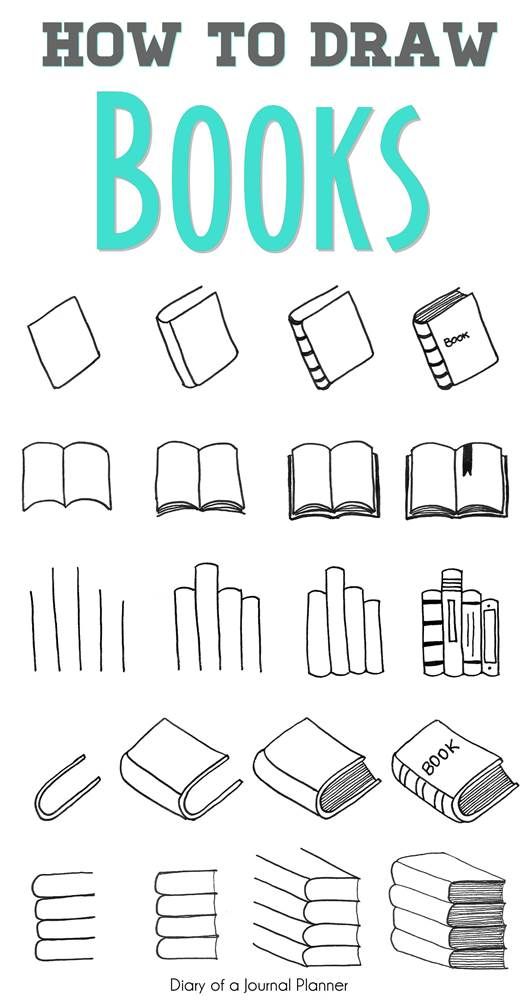
How to Draw a Book Step by Step: Easy Guide for Beginners
Mastering the Art of Book Drawing: A Step-by-Step Guide Embarking on a journey to draw a book can be an exciting and rewarding experience. Whether you're a...

How to Draw a Landscape Step by Step: Easy Guide
Mastering Landscape Drawing: A Step-by-Step Guide Embarking on a journey to capture the beauty of nature on paper is an exciting endeavor. Landscape drawing...

Cute Valentine's Day Drawing Ideas for Kids - Easy Step by Step Guide
Valentine's Day is just around the corner, and what better way to express your love and creativity than by drawing something special for your loved one?...

How to Draw a Simple Step by Step: Easy Beginner's Guide
Mastering the Art of Drawing: A Simple Step-by-Step Guide Drawing is an expressive and rewarding skill that anyone can learn. Whether you're a beginner or...

Easy Step-by-Step Guide: How to Draw a Bottle Quickly
Drawing a bottle can seem challenging due to its curved glass surface and transparent nature, but breaking the process into simple steps makes it an easy and...