How to Draw a Simple Step by Step: Easy Beginner's Guide
Mastering the Art of Drawing: A Simple Step-by-Step Guide
Drawing is an expressive and rewarding skill that anyone can learn. Whether you're a beginner or looking to improve your skills, this simple step-by-step guide will help you understand the fundamentals of drawing and create your own masterpieces.
Understanding the Basics: Tools and Materials
Before you start, gather your materials. For beginners, a simple pencil and paper are all you need. As you progress, you might want to explore different types of pencils, erasers, and paper. Here's a simple list to get you started:
- Pencil (HB or 2B)
- Paper (A4 or sketchbook)
- Eraser (kneaded or plastic)
- Optional: sharpener
Learning to See: The Importance of Observation
Drawing is about seeing and understanding what you're looking at. Before you put pencil to paper, take time to observe your subject. It could be a still life, a photograph, or even an imaginary scene. Look at the shapes, lines, and values (light and dark areas).


Step 1: Sketch the Basic Shapes
Start by sketching the basic shapes you see in your subject. Every object can be broken down into simple shapes like spheres, cylinders, cubes, or cones. This technique, called sight-size drawing, helps you understand the structure of your subject and creates a solid foundation for your drawing.
Step 2: Refine Your Drawing with Lines and Edges
Once you have the basic shapes down, start refining your drawing with lines and edges. Look at where the edges of your subject meet, and draw those lines. Not all edges are equally important. Some are more prominent and should be drawn darker and more confidently, while others are barely noticeable and should be drawn lightly.


Step 3: Add Value and Shading
Now it's time to add value and shading to your drawing. Remember, light and dark areas create the illusion of depth and form. Start by drawing the darkest areas, then gradually add lighter areas. You can use your pencil to create different shades by pressing harder or lighter.
Step 4: Refine and Add Details
With the basic shapes, lines, and values in place, you can now add details to your drawing. This is where you can really bring your subject to life. Look at the textures, patterns, and small details that make your subject unique.
Practice and Patience: Improving Your Skills
Drawing is a skill that improves with practice. Don't be discouraged if your first few drawings don't turn out as you expected. Keep practicing, and you'll see your skills improve over time. Here are some tips to help you along the way:


- Draw regularly. Even just a few minutes each day can make a big difference.
- Challenge yourself. Try drawing different subjects and styles to keep your skills sharp.
- Learn from others. Look at other artists' work, take classes, or join a drawing group.
Conclusion: Your Journey as an Artist
Drawing is a lifelong journey of learning and discovery. Whether you're a beginner or an experienced artist, there's always more to learn and explore. Embrace the process, be patient with yourself, and most importantly, have fun. Happy drawing!


Related Articles

Easy Scrapbook Step by Step: Simple DIY Guide
Creating a scrapbook is a rewarding way to preserve memories, tell a story, and create a tangible piece of art that can be treasured for years. The process...

Easy Snowflake Drawing: Step-by-Step Guide for Perfect Flakes
Embarking on a creative journey to capture the essence of winter's magic in a single stroke? Drawing a snowflake might seem daunting, but with our easy...

Simple Pumpkins to Draw: Easy Step-by-Step Guide
Unleash Your Creativity: Simple Pumpkins to Draw Autumn is upon us, and with it comes the delightful season of pumpkin carving, painting, and drawing. Whether...
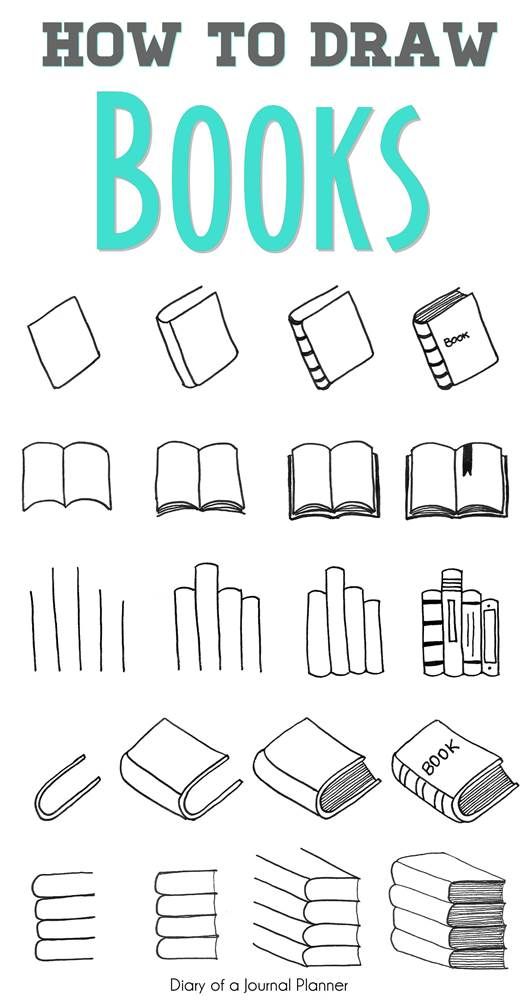
How to Draw a Book Step by Step: Easy Guide for Beginners
Mastering the Art of Book Drawing: A Step-by-Step Guide Embarking on a journey to draw a book can be an exciting and rewarding experience. Whether you're a...

How to Draw a Landscape Step by Step: Easy Guide
Mastering Landscape Drawing: A Step-by-Step Guide Embarking on a journey to capture the beauty of nature on paper is an exciting endeavor. Landscape drawing...

Draw a Simple Pumpkin: Easy Step-by-Step Guide for Beginners
Drawing a Simple Pumpkin: A Step-by-Step Guide Autumn is in the air, and with it comes the iconic symbol of the season - the pumpkin. Whether you're an...