Creative DIY Upcycling Projects: Transform Trash into Treasure Today
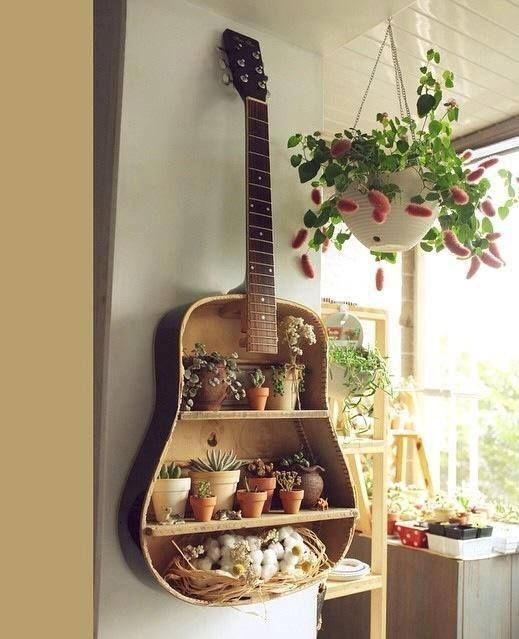
DIY upcycling projects transform overlooked materials into purposeful creations, blending creativity with resourcefulness. This practice goes beyond a simple hobby; it is a tangible response to mounting waste and a desire for more meaningful consumption. By reimagining discarded items, you actively reduce landfill burden and conserve the resources required to manufacture new goods. The satisfaction of crafting something unique from what was once considered trash resonates deeply with a growing community of makers. This approach allows you to inject personal history and character into your environment, items that mass-produced goods simply cannot replicate.
The Philosophy Behind Transforming Waste
At its core, upcycling is a design philosophy that prioritizes value retention. Unlike recycling, which often breaks down materials into a lower-quality form, upcycling maintains the integrity of the original resource, elevating its function or aesthetic. This mindset shift encourages you to see potential where others see disposal. It is a quiet rebellion against a culture of disposability, fostering a mindset of repair, adaptation, and innovation. The environmental impact is significant, as each upcycled item represents a conscious decision to conserve energy and raw materials, contributing to a more sustainable loop of production and consumption.
Starting Your Creative Journey
Embarking on your upcycling journey requires little more than a curious eye and a willingness to experiment. Begin by auditing your home or local thrift store for overlooked objects with latent potential. A wooden ladder, a set of mismatched drawers, or a collection of glass jars are all excellent starting points. The key is to look beyond the item's current state and envision its structural components or raw material. Gather basic tools—screwdrivers, sandpaper, a reliable drill, and eco-friendly paints—and create a small, well-ventilated workspace where you can explore without pressure. Remember, the process is iterative, and not every project needs to be a masterpiece; the joy is in the doing.


Practical Projects for the Home
Translating ideas into reality is where the magic happens. Consider the variety of projects accessible to beginners and seasoned creators alike. These endeavors offer immediate utility and a profound sense of accomplishment. The following examples illustrate the breadth of possibility, from functional furniture to delightful decorative accents that tell a story.
Furniture Reinvention
- Pallet Wood Coffee Table: Source sturdy wooden pallets, disassemble them, and clean the planks. Sand them smooth, stain or paint them to your liking, and mount them onto a simple frame or hairpin legs for an industrial-chic centerpiece.
- Drawer Shelving Unit: Remove old drawers from a discarded cabinet. Mount them directly onto a wall horizontally to create an open-air shelving system perfect for books, plants, or displayware.
Organizational and Decorative Accents
- Mason Jar Herb Garden: Collect glass jars and attach them to a wooden board or metal rack. Fill them with soil and herbs to create a functional and beautiful kitchen garden that ensures you always have fresh ingredients on hand.
- T-Shirt Yarn Rug: Cut old t-shirts into thin strips and braid them together to create a colorful, textured rug. This project is ideal for using up fabric scraps and adds a bohemian touch to any room.
- Book Page Wall Art: Use the pages of outdated books to create intricate paper flowers or geometric designs. Frame the results for a unique, literary-inspired piece that adds texture and depth to a blank wall.
Building Skills and Community
As you engage with these projects, you are not just creating objects; you are building a tangible skill set. Learning to solder, basic woodworking, or textile manipulation empowers you to tackle increasingly complex endeavors. This growing competence fosters confidence and shifts your relationship with the material world. Furthermore, upcycling often becomes a social activity. Sharing techniques, trading materials, or collaborating on a project strengthens community bonds. Online forums and local craft groups are invaluable resources for troubleshooting issues and gaining inspiration from peers who share your commitment to creative sustainability.


The Lasting Impact of Creation
Beyond the immediate benefits of cost savings and waste reduction, DIY upcycling cultivates a deeper appreciation for the objects we own. You move away from a mindset of passive consumption to one of active participation. Each item you create carries the imprint of your effort and imagination, making it irreplaceable. This practice encourages mindfulness about future purchases, prompting you to seek durable, high-quality materials that can be repurposed again. Ultimately, upcycling is a powerful act of self-expression and environmental stewardship, proving that creativity and conscience can coexist beautifully in everyday life.




Related Articles

Creative Upcycling Examples: Transform Trash into Treasure Today
Upcycling represents a creative approach to waste management that transforms discarded materials into products of higher quality or environmental value. Unlike...

Creative Upcycling Projects for Adults: Transform Trash into Treasure
Upcycling projects for adults offer a powerful antidote to the throwaway culture that defines modern life. Instead of discarding items destined for the...

Creative Upcycling Ideas: Transform Trash into Treasure Today
Creative upcycling ideas transform the discarded into the desirable, offering a practical response to mounting waste and resource depletion. Instead of viewing...

10+ Creative Upcycling Ideas: Transform Trash into Treasure Today
Upcycling is the art of transforming forgotten or discarded materials into objects of higher value and utility, a practice that marries creativity with...
Creative Upcycle DIY Projects: Transform Trash into Treasure Today
Upcycle DIY projects represent a creative response to the growing clutter in modern life, transforming overlooked items into purposeful objects. Instead of...

Creative Upcycling by Annelies: Transform Trash into Treasure
In a world overflowing with mass-produced goods and fleeting trends, annelies has carved a distinctive niche by reimagining the concept of value. Her creative...