Can You Paint Ceramic Pots with Acrylic Paint? A Complete DIY Guide
Can You Paint Ceramic Pots with Acrylic Paint? A Comprehensive Guide
Have you ever wondered if you can transform plain ceramic pots into vibrant, personalized pieces of art using acrylic paint? The short answer is yes, you can! Acrylic paint is a versatile medium that can be used on a variety of surfaces, including ceramics. However, there are a few things you need to know to ensure your painted pots last and look great. Let's dive into the world of painting ceramic pots with acrylic paint.
Understanding Acrylic Paint and Ceramic Surfaces
Before you start painting, it's essential to understand the properties of acrylic paint and the surface you'll be working on. Acrylic paint is water-based, fast-drying, and highly versatile. It can be thinned with water or mediums to create various effects, and it's easy to clean up with just soap and water. Ceramic pots, on the other hand, are porous, meaning they absorb liquids. This can make painting directly onto the surface challenging, as the paint may not adhere well or may look blotchy.
Preparing Your Ceramic Pots for Painting
To ensure your acrylic paint adheres properly to your ceramic pots, you'll need to prepare the surface. Here's a simple step-by-step process:


- Clean the pots: Ensure your pots are clean and free of any dirt, dust, or residue. You can use mild soap and water or a specialized ceramic cleaner.
- Remove any glaze: If your pots have a glossy glaze, you'll need to remove it to allow the paint to adhere properly. You can do this by sanding the surface lightly with fine-grit sandpaper (220-320 grit) or using a chemical glaze remover.
- Wash and dry: After sanding or removing the glaze, wash the pots again to remove any residue, and let them dry completely.
- Seal the surface: To prevent the paint from being absorbed into the porous ceramic surface, apply a sealant or primer designed for ceramics. This will create a smooth, non-porous surface for your paint to adhere to. Allow the sealant to dry according to the manufacturer's instructions.
Choosing the Right Acrylic Paint and Brushes
When selecting acrylic paint for your ceramic pots, opt for high-quality, archival-grade paints that are designed to last. These paints are more lightfast and fade-resistant than student-grade paints. As for brushes, choose synthetic or natural bristle brushes in various sizes to suit your design. You may also want to have some fine-tip brushes on hand for detailed work.
Painting Techniques for Ceramic Pots
Now that you've prepared your pots and chosen your materials, it's time to start painting! Here are some techniques to help you create stunning designs:


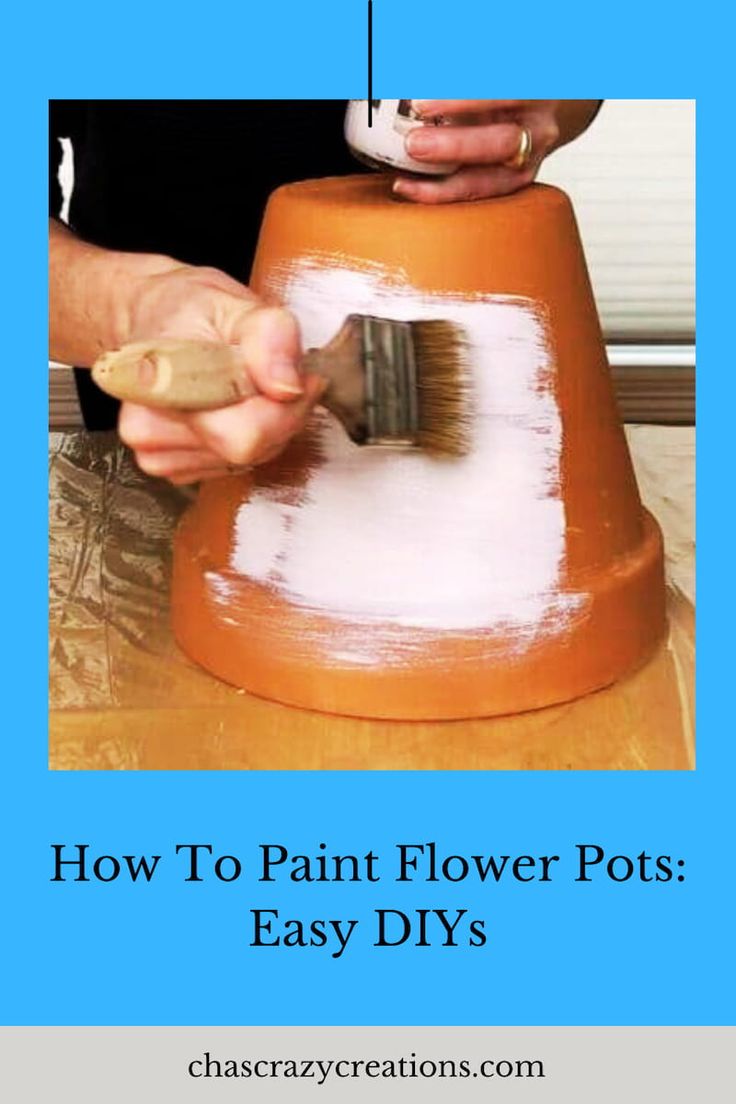
- Basecoat and layering: Start by applying a basecoat of paint in your desired color. Once dry, you can layer additional colors on top, blending and shading as desired. This technique is perfect for creating gradients, ombré effects, or complex color schemes.
- Stenciling: Use stencils to create intricate patterns or designs. Apply paint through the stencil, using a sponge or brush, and lift the stencil once the paint is dry to reveal your design.
- Sponge painting: For a textured, distressed look, dip a sponge into your paint and dab it onto the pot. You can create various effects by using different sponge shapes and varying the pressure.
Sealing and Caring for Your Painted Ceramic Pots
Once your pots are completely dry, it's essential to seal them to protect your paint and ensure longevity. Look for a sealant that is specifically designed for ceramic and acrylic paint, such as a varnish or polyurethane. Apply the sealant according to the manufacturer's instructions, usually in thin, even coats, allowing each coat to dry completely before applying the next. Once sealed, your painted pots can be cleaned with mild soap and water and dried thoroughly.
Can You Put Painted Ceramic Pots in the Oven or Microwave?
While acrylic paint is oven-safe, it's not recommended to put painted ceramic pots in the oven or microwave. High heat can cause the paint to crack or peel, ruining your design. Additionally, the microwave can damage the paint and cause it to discolor over time. To preserve your painted pots, it's best to use them for decorative purposes only and avoid exposing them to high heat or moisture.
In summary, painting ceramic pots with acrylic paint can be a rewarding and creative endeavor. By preparing your surface properly, choosing the right materials, and using the right techniques, you can transform plain pots into beautiful, personalized pieces of art. So go ahead, grab your paints, and let your creativity flow!




Related Articles

How to Paint Ceramic Mugs with Acrylic Paint: A Step-by-Step Guide
Unleash Your Creativity: Painting Ceramic Mugs with Acrylic Paint Transform ordinary ceramic mugs into vibrant, personalized masterpieces with the power of...

How to Paint a Ceramic Vase with Acrylic Paint: A Step-by-Step Guide
Transforming Ceramics: A Step-by-Step Guide to Painting a Ceramic Vase with Acrylic Paint Embarking on a creative journey to adorn your ceramic vase with...

Mastering How to Paint Wood with Acrylic Paint: A Complete Guide
Painting Wood with Acrylic Paint: A Comprehensive Guide Acrylic paint is a versatile medium that can be used on a variety of surfaces, including wood. Whether...

Can You Paint Canvas Shoes With Acrylic Paint? The Ultimate Guide
Can You Paint Canvas Shoes with Acrylic Paint? A Comprehensive Guide Ever wondered if you can transform your plain canvas shoes into a unique, personalized...

Painting Your Wood Dresser with Acrylic? The Ultimate DIY Guide
Acrylic paint has become a popular choice for updating furniture due to its water-based formula, quick drying time, and impressive versatility. If you are...

Can You Paint Tile with Enamel Paint? The Complete Guide
Have you ever found yourself admiring the sleek, glossy finish of enamel paint and wondered if it could transform your tired, old tiles? The short answer is...