Can You Paint Tile with Enamel Paint? The Complete Guide
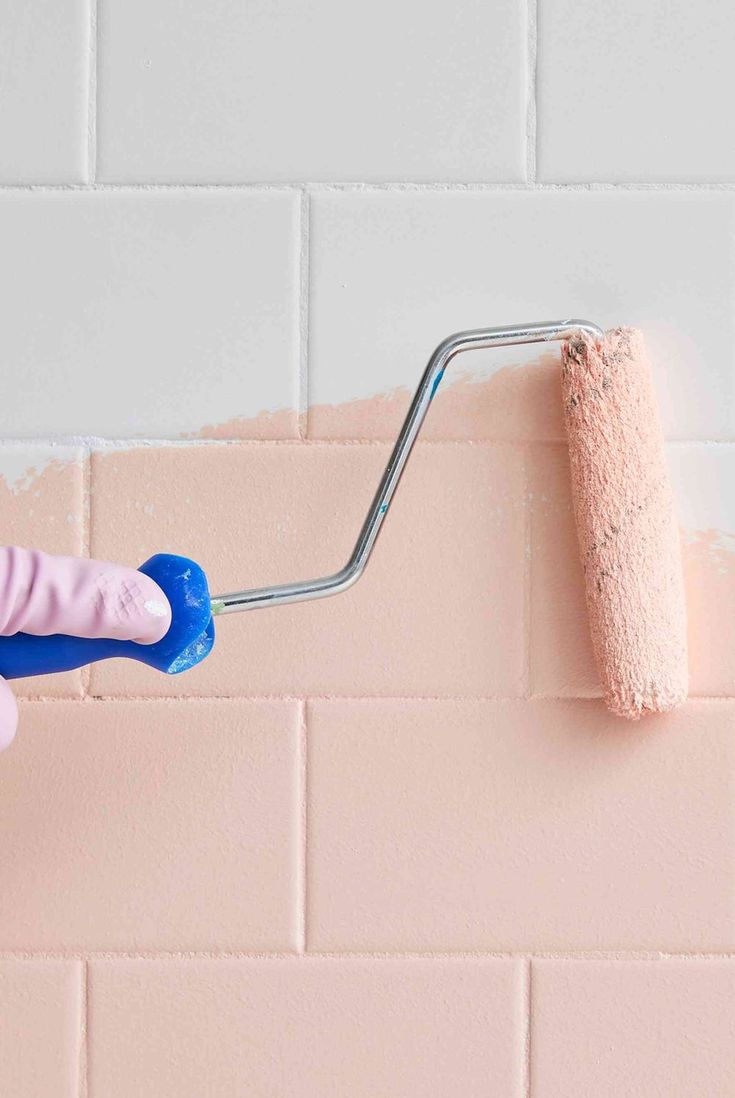
Have you ever found yourself admiring the sleek, glossy finish of enamel paint and wondered if it could transform your tired, old tiles? The short answer is yes, you can paint tiles with enamel paint, but it's not as simple as grabbing a brush and going to town. Let's delve into the world of tile painting, exploring the pros and cons, the best types of enamel paint for tiles, and the step-by-step process to achieve a professional-looking finish.
Understanding Enamel Paint and Tiles
Enamel paint is a type of paint that dries to a hard, durable, and glossy finish. It's often used for painting metal, glass, and other surfaces that require a high level of durability and resistance to wear and tear. Tiles, on the other hand, are typically made from ceramic, porcelain, or natural stone, and are designed to withstand moisture and heavy foot traffic. So, can you paint tiles with enamel paint? The answer lies in the preparation and the type of enamel paint you choose.
Pros and Cons of Painting Tiles with Enamel Paint
Before you grab your paintbrush, let's weigh the pros and cons of using enamel paint on tiles.


- Pros:
- Enamel paint provides a durable, glossy finish that can update the look of old tiles.
- It's a cost-effective alternative to replacing tiles.
- Enamel paint is easy to clean and maintain.
- Cons:
- Enamel paint is not designed for use on porous surfaces like unglazed tiles. It can crack and peel over time.
- It's not suitable for use in areas with high moisture, like bathrooms and kitchens, unless it's a specialized, moisture-resistant enamel paint.
- The process of painting tiles can be time-consuming and requires careful preparation.
Choosing the Right Enamel Paint for Tiles
Not all enamel paints are created equal, and not all are suitable for use on tiles. When choosing an enamel paint for your tiles, look for one that is designed for use on porous surfaces and is moisture-resistant. These paints typically have a higher solids content and are more flexible than standard enamel paints, which helps to prevent cracking and peeling. Some good options include:
- Porch and floor paints
- Epoxy paints
- Specialty tile paints
Always check the label to ensure the paint is suitable for use on tiles and in the specific area you're painting. If you're unsure, consult with a professional painter or the paint manufacturer.


Preparing Your Tiles for Painting
Proper preparation is key to a successful tile painting project. Here's a step-by-step guide to preparing your tiles for painting:
- Clean the tiles thoroughly to remove any dirt, grease, or grime. Use a suitable cleaner and a soft-bristled brush to scrub the tiles. Rinse with clean water and allow the tiles to dry completely.
- Inspect the tiles for any damage, such as cracks or chips. Repair any damage before painting.
- Lightly sand the tiles using fine-grit sandpaper to help the paint adhere better. Wipe the tiles with a damp cloth to remove any dust.
- Apply a primer designed for use on porous surfaces. This will help to seal the tiles and provide a better surface for the paint to adhere to. Allow the primer to dry completely according to the manufacturer's instructions.
Painting Your Tiles
Now that your tiles are prepared, it's time to paint. Here's how to do it:
- Use a high-quality paintbrush designed for use with enamel paint. A 2-inch angled brush is a good choice for painting tiles.
- Pour a small amount of paint onto a paint tray and dip the brush into the paint, ensuring it's well-coated but not dripping.
- Start painting in one corner of the tile, using smooth, even strokes. Work your way across the tile, using the angle of the brush to cut in along the edges.
- Allow the first coat to dry completely according to the manufacturer's instructions. Lightly sand the tiles with fine-grit sandpaper to remove any raised edges or imperfections. Wipe the tiles with a damp cloth to remove any dust.
- Apply a second coat of paint, following the same technique as the first coat. Allow the paint to dry completely before touching or cleaning the tiles.
Caring for Your Painted Tiles
To ensure your painted tiles last as long as possible, follow these care tips:


- Clean the tiles regularly using a suitable cleaner and a soft-bristled brush. Avoid using harsh chemicals that could damage the paint.
- Wipe up spills promptly to prevent staining.
- Be gentle when cleaning the tiles to avoid scratching or damaging the paint.
- Inspect the tiles regularly for any signs of damage or wear. Repair any damage promptly to prevent it from spreading.
In conclusion, while you can paint tiles with enamel paint, it's important to choose the right paint and prepare the tiles properly to ensure a long-lasting, professional-looking finish. With the right products and techniques, you can transform your old tiles into a stunning feature of your home.




Related Articles
How to Paint Tile Floor with Rustoleum: DIY Guide
Transform Your Space: Painting Tile Floors with Rustoleum Are you tired of dull, outdated tile floors? Before you consider a costly replacement, consider...

Can You Paint Canvas Shoes With Acrylic Paint? The Ultimate Guide
Can You Paint Canvas Shoes with Acrylic Paint? A Comprehensive Guide Ever wondered if you can transform your plain canvas shoes into a unique, personalized...

Spray Paint Ikea Furniture Like a Pro: Ultimate DIY Transformation Guide
Transforming your Ikea furniture with spray paint is one of the most effective ways to breathe new life into a tired room without breaking the bank. This...

10 Types of Flooring with Pictures and Names: Complete Guide
Exploring the World of Flooring: 10 Popular Types with Pictures and Descriptions When it comes to choosing the perfect flooring for your space, the options can...

Can You Paint Ikea Dressers? A Complete DIY Guide
Yes, you can absolutely paint Ikea dressers, transforming a budget-friendly flat-pack piece into a unique statement for your home. This simple act of...

Can You Paint Driveway Cement: A Complete DIY Guide
Ever wondered if you can transform your dull, gray driveway into a vibrant, welcoming space? The short answer is yes, you can paint driveway cement. This...