Are Trader Joe's Price Tags Handwritten? The Truth Behind the Labels
Walking down the pristine aisles of Trader Joe's, it is impossible not to notice the distinct aesthetic of the store. From the nautical rope ladders to the vintage product packaging, every detail feels curated. Amidst this charming chaos, one element consistently catches the eye: the handwritten price tags adorning each shelf. The flowing cursive script and playful ink strokes give the store an intimate, old-world feel, making shoppers wonder about the story behind them.
The Philosophy Behind the Pen
To understand the tags, one must first grasp Trader Joe's overarching philosophy of differentiation. In a world dominated by corporate giants, the chain aims to stand out through a personalized and approachable experience. The decision to use handwritten tags is not a logistical necessity but a deliberate branding choice. It is a visual representation of the company’s effort to feel less like a sterile supermarket and more like a neighborhood shop where the proprietor personally greets every guest.
Humanizing the Shopping Experience
The primary goal of the handwritten font is to inject warmth and humanity into the shopping process. Unlike cold, machine-printed labels that scream corporate uniformity, the slight imperfections of handwriting suggest authenticity and care. It implies that a real person, perhaps even the buyer themselves, carefully looked at the product and assigned a value to it. This subtle psychological trick helps build trust, making customers feel they are getting a fair price directly from a friend rather than a faceless corporation.


Operational Efficiency and Consistency
While the look is artisanal, the execution is highly systematic. Trader Joe's does not rely on individual store managers to scribble tags haphazardly. Instead, the company utilizes a standardized font template that mimics handwriting. Employees are trained to replicate this specific style using permanent markers or specialized label printers that simulate the handwritten look. This ensures that every location, from California to Massachusetts, maintains a consistent and recognizable appearance without sacrificing the charming aesthetic.
| Method | Visual Result | Purpose |
|---|---|---|
| Handwritten with Marker | Slight wobbles, variable ink density | Store-specific customization |
| Template Font | Consistent loops and spacing | Brand uniformity across locations |
| Label Printer | Crisp but mimics script | Efficiency for high-volume items |
Marketing and Sensory Appeal
The visual impact of the tags extends beyond operational logic; it is a powerful marketing tool. The unique script makes the store instantly identifiable on social media platforms like Pinterest and Instagram. Customers frequently photograph products for the sheer pleasure of the typography. This organic promotion reinforces the brand identity as quirky and distinctive. Furthermore, the tactile nature of the tags—often attached with colorful string or bright orange pegs—adds a sensory layer to the shopping experience that digital screens can never replicate.


A common misconception among shoppers is that the handwritten nature implies the tags are changed daily or are unique to a specific visit. In reality, the pricing strategy is methodical and long-term. While seasonal items or rotating products might receive fresh tags, the majority of the inventory features stable prices. The "handwritten" look is a permanent fixture designed to avoid the harshness of barcode scanners and digital price displays, providing a sense of timelessness in a fast-paced retail environment.
The Verdict: Authentic or Artifice?
So, are Trader Joe's price tags truly handwritten? The answer exists in the grey area between genuine penmanship and clever mimicry. The charming script you see is a carefully crafted brand icon. It balances the illusion of human touch with the precision of corporate logistics. Whether you view it as a delightful anachronism or a brilliant marketing ploy, there is no denying that this single visual element plays a significant role in the enduring popularity and unique identity of the beloved grocery chain.


Related Articles

Charming Handwritten Price Tags: Boost Sales & Brand Appeal
In the bustling hum of a retail environment, where digital displays flash and plastic signage hums with uniformity, there is a quiet resurgence happening at...

IKEA Butcher Block Solid Wood: The Real Truth Behind the Price
When shopping for a durable and stylish kitchen countertop, the phrase "IKEA butcher block" often appears in search results, leading many to wonder about the...
The Secret Story Behind Trader Joe's Name: How Did Trader Joe's Get Its Name?
Few grocery store chains inspire the same level of curiosity and devotion as Trader Joe's. With its unique product offerings, quirky in-store commentary, and...
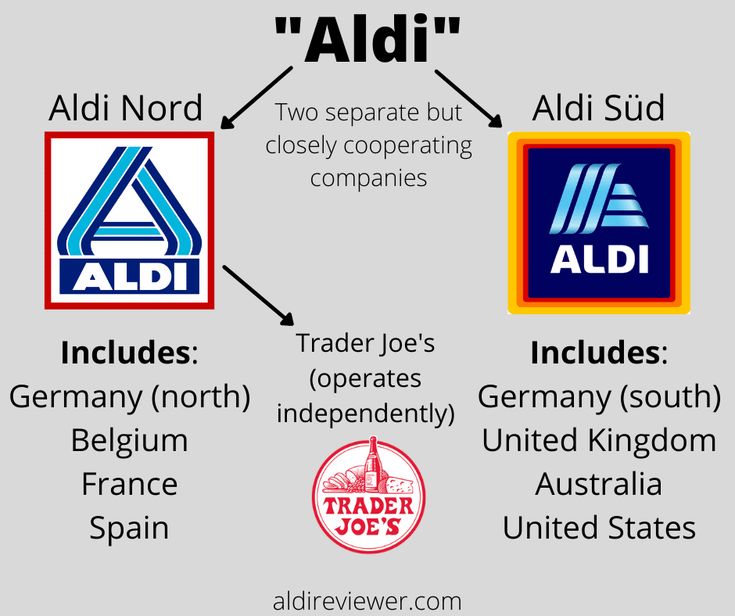
Where Did Aldi and Trader Joe's Originate? The Surprising History Behind the Groceries
Few grocery chains inspire the devotion found in Aldi and Trader Joe’s parking lots. While Aldi sticks to its no-frills, efficient German formula, Trader Joe’s...

Does IKEA Make Solid Wood Furniture? The Truth Behind the Labels
Walking into an IKEA showroom, you are immediately surrounded by an array of beautiful, modern furniture pieces that are both stylish and affordable. A common...

Does a Decanter Change the Taste of Whiskey? The Truth Behind the Pour
Placing a glass of whiskey into a decanter initiates a transformation that is part chemistry, part ceremony. The question of whether this vessel changes the...