The Ultimate Guide: What to Put Under Artificial Grass on Concrete Slab
Installing Artificial Grass on Concrete: What to Put Underneath
Transforming a concrete slab into a lush, green space with artificial grass is an increasingly popular choice for homeowners and businesses alike. However, before you lay down your new lawn, it's crucial to understand what to put under artificial grass on concrete to ensure a successful, long-lasting installation. This guide will walk you through the process, from preparing your concrete slab to selecting the right base materials.
Why Prepare the Base Correctly?
Preparing the base correctly is vital for several reasons. A well-prepared base ensures:
- Even distribution of weight, preventing the concrete from cracking or buckling.
- Proper drainage, preventing water from pooling and causing damage to your artificial grass or concrete slab.
- A smooth, level surface for your artificial grass, ensuring a professional, uniform appearance.
- Enhanced longevity of your artificial grass, as a well-prepared base reduces the risk of damage from uneven surfaces or improper drainage.
Understanding Your Concrete Slab
Before you begin, it's essential to understand the condition of your concrete slab. Inspect the slab for any cracks, unevenness, or weak points. If necessary, repair any cracks and ensure the slab is level. This will save you time and effort in the long run and ensure a successful artificial grass installation.


What to Put Under Artificial Grass on Concrete: Base Options
Once your concrete slab is in good condition, it's time to decide what to put under artificial grass on concrete. There are several base options to choose from, each with its own advantages:
1. Paving Slabs
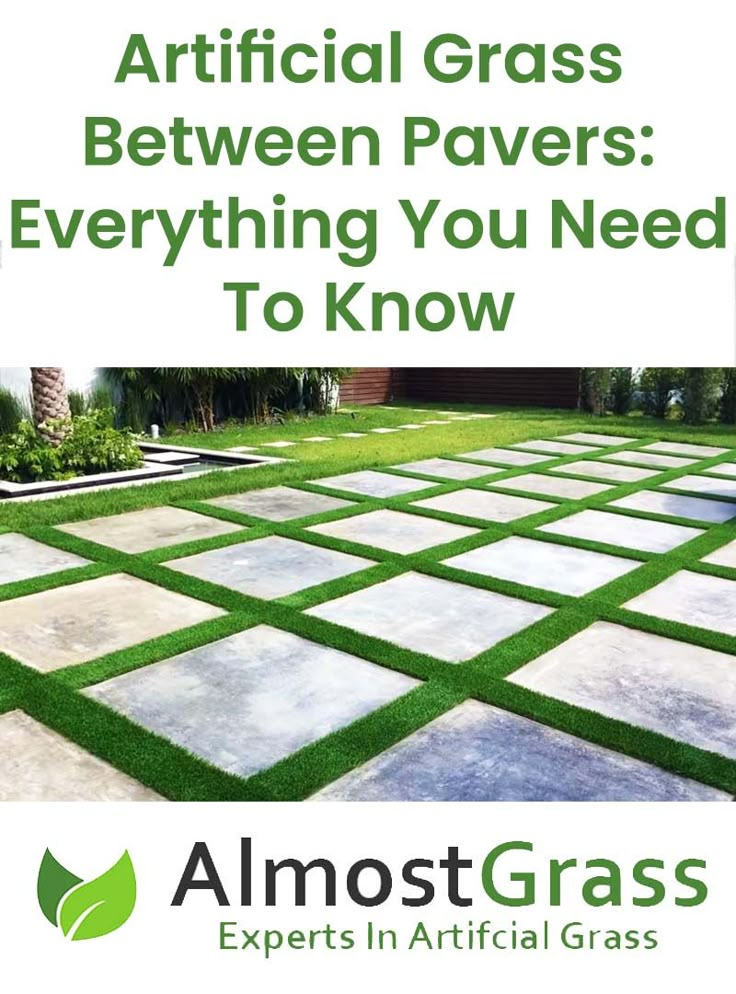
Paving slabs are a popular choice for creating a stable, level base for artificial grass. They are easy to install, durable, and can be laid directly onto a concrete slab. However, they can be expensive and time-consuming to install, and they may not be suitable for areas with heavy foot traffic or vehicles.


2. Gravel
Gravel is a cost-effective and versatile option for creating a base under artificial grass. It provides excellent drainage, prevents water from pooling, and can be easily leveled. However, it may not provide the same level of stability as paving slabs, and it can be messy to work with.
3. Crushed Stone
Crushed stone is similar to gravel but offers better compaction and stability. It is often used as a base for driveways and patios and can be an excellent choice for areas with heavy foot traffic or vehicles. However, it can be more expensive than gravel and may require professional installation.
4. Recycled Rubber Crumb
Recycled rubber crumb is an eco-friendly and durable option for creating a base under artificial grass. It provides excellent drainage, is easy to install, and can be used to create a cushioned surface for play areas. However, it can be more expensive than other base options and may not be suitable for areas with heavy foot traffic or vehicles.



Preparing the Base: Step-by-Step
Once you've chosen the right base material, it's time to prepare the base. Here's a step-by-step guide to help you through the process:
- Clean the concrete slab thoroughly, removing any dirt, debris, or contaminants.
- Inspect the slab for any cracks or unevenness and make any necessary repairs.
- Lay down a weed barrier fabric to prevent weeds from growing through your artificial grass.
- Spread your chosen base material evenly across the slab, ensuring it's level and well-compacted.
- For gravel or crushed stone, aim for a depth of 2-3 inches. For paving slabs, lay them directly onto the slab, ensuring they are level and well-supported.
- For recycled rubber crumb, follow the manufacturer's instructions for installation.
- Allow the base to settle for a few days before installing your artificial grass.
Installing Artificial Grass on Your Prepared Base
Once your base is prepared, you're ready to install your artificial grass. Follow these steps for a successful installation:
- Measure and cut your artificial grass to fit the area, ensuring it's slightly larger than the base to allow for trimming.
- Lay the grass onto the base, ensuring it's smooth and even.
- Secure the grass in place using landscape pins or adhesive, following the manufacturer's instructions.
- Trim the edges of the grass to fit the area perfectly.
- Add infill material to the grass, following the manufacturer's instructions. This helps to weigh down the grass, prevent it from moving, and enhance its appearance.
- Brush the infill material into the grass fibers, ensuring it's evenly distributed.
- Groom the grass fibers to stand them up straight and create a natural, lush appearance.
Maintaining Your Artificial Grass
With proper installation and maintenance, your artificial grass can last for many years. Regularly remove debris, such as leaves and twigs, and rinse the grass with water to keep it clean and looking its best. Additionally, periodically groom the grass fibers to maintain their upright position and appearance.


Conclusion
Installing artificial grass on a concrete slab can transform your space into a beautiful, low-maintenance oasis. By understanding what to put under artificial grass on concrete and following the steps outlined in this guide, you can ensure a successful, long-lasting installation. Whether you choose paving slabs, gravel, crushed stone, or recycled rubber crumb, the key to a successful installation is proper preparation and attention to detail. Happy installing!
Related Articles
The Ultimate Guide: What to Put Under Artificial Grass on Soil
Preparing Soil for Artificial Grass Installation: A Comprehensive Guide When it comes to installing artificial grass, one of the most crucial steps is...

What Materials Are Needed for Concrete Slab? Ultimate DIY Guide
Essential Materials for Constructing Concrete Slabs Concrete slabs are versatile and durable structures, widely used in construction for their strength and...
The Complete Guide: What Gravel to Use Under Artificial Grass for Drainage & Stability
Choosing the Right Gravel for Artificial Grass: A Comprehensive Guide When installing artificial grass, the base layer is crucial for ensuring the longevity...

What to Put Under a Concrete Slab: Essential Guide for a Solid Base
Understanding the Base: What to Put Under a Concrete Slab When it comes to constructing a concrete slab, the material you place underneath plays a crucial role...

How to Maintain Artificial Grass on Your Balcony: Ultimate Care Guide
Maximizing Longevity: A Comprehensive Guide to Maintaining Artificial Grass on Your Balcony Embracing the low-maintenance allure of artificial grass for your...

Can You Put Artificial Grass on Concrete? Tips & Installation Guide
Ever considered transforming your concrete patio, balcony, or rooftop into a lush, green oasis? Artificial grass might be just the solution you're looking for...