What to Put on Dry Bleached Hair: Ultimate Hydration Guide
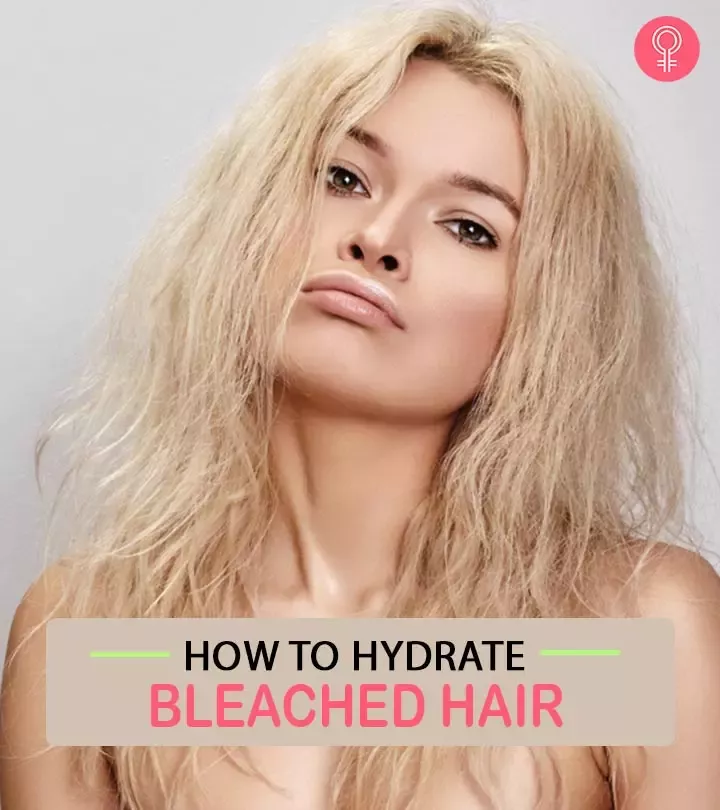
If you've recently bleached your hair, you might be wondering what products to use to keep it healthy and looking its best. Bleaching can strip your hair of its natural oils and moisture, leaving it dry and prone to damage. But don't worry, there are plenty of ways to nourish and protect your hair. Let's dive into what you should put on dry bleached hair.
Understanding Your Hair After Bleaching
Before we discuss the best products for dry bleached hair, it's important to understand what bleaching does to your hair. Bleach works by penetrating the hair shaft and breaking down the melanin that gives your hair its color. This process also strips away the hair's natural oils and can cause the cuticle, the outer layer of the hair, to swell and lift. As a result, your hair may feel dry, look frizzy, and be more prone to breakage.
Moisturize, Moisturize, Moisturize
Given that bleaching strips your hair of moisture, the most important thing to do is to replenish that moisture. This means using products that are specifically designed to moisturize and nourish your hair. Here are some products you should consider:


- Sulfate-Free Shampoo: Sulfates can strip your hair of its natural oils, so it's important to use a sulfate-free shampoo to avoid further dryness.
- Deep Conditioner: Use a deep conditioner at least once a week to provide intense moisture. Look for products that contain ingredients like shea butter, coconut oil, or olive oil.
- Hair Masks: Hair masks are similar to deep conditioners but are usually more intense. They can provide a lot of moisture and help to smooth the cuticle, reducing frizz.
- Leave-In Conditioner: Apply a leave-in conditioner to damp hair before styling. This can help to lock in moisture and make your hair more manageable.
Protect Your Hair from Further Damage
While moisturizing is crucial, it's also important to protect your hair from further damage. Here are some ways to do that:
- Avoid Heat: Heat from styling tools like straighteners and curling irons can further dry out your hair and cause damage. Try to let your hair air dry as much as possible and use heat protectant sprays before styling.
- Protect from the Sun: The sun's UV rays can also damage your hair, so wear a hat or use a product with UV protection when you're out in the sun.
- Trim Split Ends: Split ends can travel up the hair shaft and cause more damage, so it's important to trim them regularly.
Consider Protein Treatments
Bleaching can also cause your hair to lose protein, which is essential for hair strength and elasticity. If your hair feels weak or breaks easily, you might want to consider using a protein treatment. These treatments can help to strengthen your hair and prevent breakage. However, be careful not to overuse protein treatments as they can make your hair feel hard and dry if used too frequently.


Be Patient and Gentle
It's important to remember that it takes time for your hair to recover from bleaching. Be patient and gentle with your hair. Avoid brushing it when it's wet, as this is when it's most prone to breakage. Instead, use a wide-tooth comb and start from the ends, working your way up.
In addition, try to limit how often you wash your hair. The natural oils in your hair can help to moisturize it, so washing it too often can strip it of these oils. If your hair gets oily quickly, try using a dry shampoo between washes.
Finally, consider getting regular trims. This can help to remove damaged ends and prevent breakage. It can also help your hair to look and feel healthier overall.


Related Articles

The Ultimate Guide to What to Do with Straight Asian Hair
Caring for Straight Asian Hair: A Comprehensive Guide Straight Asian hair is unique, with its own set of characteristics and needs. Understanding these aspects...

What Color Highlights Look Best on Medium Brown Hair? The Ultimate Guide
If you're considering adding some dimension and vibrancy to your medium brown hair, highlights are an excellent way to do so. But with countless shades to...

Best Color Highlights for Dark Brown Hair – Ultimate Style Guide
If you're rocking dark brown hair and considering adding some highlights, you're in the right place. Highlights can add dimension, depth, and even brighten up...

The Ultimate Short Hair Guide for Men: Find Your Perfect Hairstyle
Embracing a short hairstyle can be a bold and liberating decision for men. Not only does it require less maintenance, but it also allows you to experiment with...

Is Bleached Hair Color Treated? The Ultimate Guide
Understanding Bleached Hair: Color Treated or Not? When it comes to hair care, the terms "color treated" and "bleached" often get used interchangeably, but...

Best Paint for Furniture Fabric: Ultimate Guide & Top Picks
Choosing the right paint for furniture fabric is a critical decision that bridges the gap between interior design and material science. Unlike hard surfaces...