Best Soil for Succulents: Beginner's Planting Guide
Selecting the right container is the first and most critical step for any beginner looking to cultivate healthy succulents. While these resilient plants are often praised for their low maintenance, they demand a specific environment to thrive, and that environment starts with the pot you choose. The wrong vessel can lead to root rot and a frustrating experience, whereas the correct one provides the perfect foundation for vibrant growth. For the uninitiated, the process is less about aesthetics and more about engineering a dry, airy habitat that mimics their natural desert or rocky slopes.
Understanding the Drainage Imperative
The golden rule of succulent care is that they despise "wet feet." Unlike a typical houseplant that enjoys consistent moisture, succulents store water in their leaves and stems and require the soil to dry out completely between waterings. Consequently, the single most important feature of any pot is not its beauty, but its drainage hole. Without this essential exit point, water pools at the bottom, suffocating the roots and inviting fatal fungal infections. As a beginner, prioritizing function over form will save you from the heartache of losing a new plant. If you fall in love with a charming pot that lacks a hole, consider it a decorative outer cachepot and plant your succulent in a standard nursery pot with drainage to place inside.
Material Matters: Terracotta vs. CeramicOnce the drainage requirement is met, the material of the container significantly influences how quickly the soil dries. Terracotta and unglazed clay pots are exceptionally beginner-friendly because they are porous. This means they allow air and moisture to pass through the walls, accelerating the drying process and providing a safety net against overwatering. Conversely, glazed ceramic, glass, or metal containers create a more humid microenvironment. While these can be used successfully, they demand a more disciplined watering schedule, as the soil retains moisture for a much longer period. For the novice, starting with a porous terracotta pot effectively reduces the margin for error.


The Anatomy of the Perfect Soil Mix
Equally important to the pot itself is the medium within it. Beginners often make the mistake of using standard potting soil directly from the bag, which is designed to retain moisture for vegetables and flowers. This is precisely the wrong environment for succulents, as it holds too much water and will inevitably cause root rot. You need to create a gritty, fast-draining blend. While specialized "Cactus and Succulent Mix" is readily available and convenient, you can also enhance regular potting soil by mixing in inorganic materials like perlite, coarse sand, or pumice. This amendment breaks up the density of the soil, ensuring that water flows through quickly and roots remain dry.
Container Size and Root Health
The size of the pot relative to the plant is another detail that impacts health. A common instinct is to give a plant a lot of room to grow, but with succulents, oversized containers are counterproductive. A large volume of soil holds excess moisture that the plant's roots cannot possibly dry out, creating a stagnant, wet zone that encourages rot. Ideally, you should choose a pot that is only slightly larger than the root ball—typically an inch or two wider in diameter. Furthermore, depth matters; shallow pots are generally preferable to deep ones, as succulents have shallow root systems. A wide, shallow vessel allows the roots to spread easily and dries out evenly after watering.


Aesthetic Considerations and Design
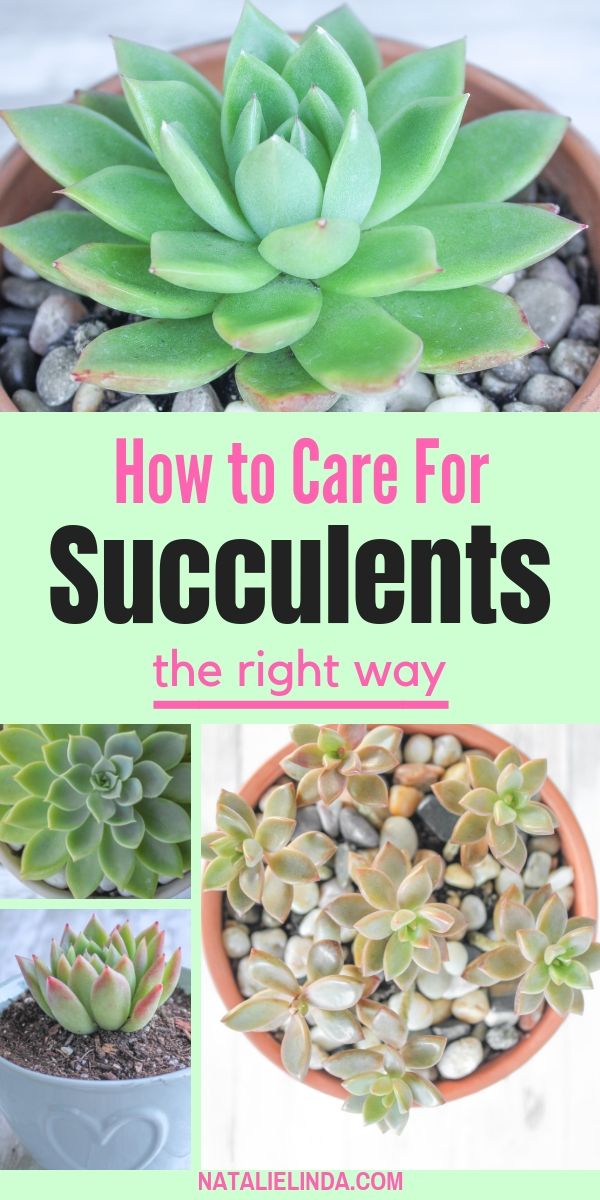
With the functional requirements established, you can now explore the creative aspect of choosing a container. The visual appeal of a succulent arrangement is a major part of the enjoyment, and the right pot can elevate the entire display. Consider the color palette of your home; a cool gray ceramic pot provides a modern contrast to green Echeverias, while a terracotta pot complements warm, earthy tones. You might also experiment with texture—a rough-hewn concrete pot offers a stark, industrial vibe, while a smooth, glossy bowl can introduce a touch of elegance. Remember that the pot is the stage, and the succulent is the star; choose a vessel that lets the plant's unique shape and color shine.
Repurposing and Upcycling Options
For those looking to save money or embrace sustainability, the beginner should know that nearly any object can be transformed into a succulent habitat, provided the drainage rule is followed. Yogurt cups, mason jars, tin cans, and even old teacups can serve as charming homes. The key is to drill a hole in the bottom or, if drilling is not an option, to treat these items strictly as cachepots. Plant the succulent in a small, drained plastic pot and then nestle that into the decorative container. This approach allows you to enjoy the aesthetic without risking the plant's life due to a lack of drainage. This method is an excellent, low-pressure way for beginners to experiment with different styles.
Final Recommendations for the New Grower
To summarize the path of least resistance for a beginner, look for a pot made of unglazed terracotta that is wider than it is tall and features a prominent drainage hole. Pair this with a gritty, well-aerated soil mix specifically designed for cacti. This combination creates a forgiving environment that compensates for minor watering mistakes. By focusing on these foundational elements—drainage, material, and soil—you are not just planting a succulent; you are setting the stage for a long and rewarding relationship with these fascinating plants. Start simple, master the basics, and let your confidence grow alongside your collection.



Related Articles

The Best Soil for Succulents: Ultimate Guide to Perfect Drainage
Selecting the right soil is the single most critical factor in determining whether your succulents will thrive or merely survive. While these resilient plants...
The Ultimate Guide to the Best Soil for Indoor Succulents 🌱
Choosing the right soil is the single most critical factor in determining whether your indoor succulents thrive or simply survive. While these resilient plants...

The Best Soil for Zinnias: Ultimate Guide to Zinnia Soil Requirements
Zinnias are celebrated for their vibrant colors and effortless charm, but their success begins beneath the surface. The ideal soil for these flowers provides...

The Best Vegetables to Grow in a Raised Bed: A Beginner's Guide
Maximizing Your Garden Space: Best Vegetables for Raised Beds Raised beds are a gardener's best friend, offering better soil control, easier maintenance, and...

Best Soil for Succulents in Pots Indoors: The Ultimate Guide to Perfect Drainage
Selecting the best soil for succulents in pots indoors is the single most critical factor for ensuring your plants not only survive but thrive. While it might...

What Is Vertical Planting: A Beginner's Guide to Space-Saving Gardening
In the realm of urban gardening and sustainable design, vertical planting has emerged as a revolutionary concept that maximizes space and minimizes...