The Ultimate Guide to Choosing the Perfect Paint for Ceramic Pots
Choosing the Right Paint for Your Ceramic Pots
Embarking on a pottery project and eager to add a pop of color? You're likely wondering, "What paint do you use for ceramic pots?" The answer lies in selecting the right type of paint that's durable, non-toxic, and suitable for ceramic surfaces. Let's dive into the world of ceramic paints and explore the best options for your creative endeavors.
Understanding Ceramic Paints
Ceramic paints are specifically designed to adhere to bisque-fired pottery and can be applied using various techniques, such as brushing, dipping, or spraying. They are typically water-based, non-toxic, and low in VOCs (volatile organic compounds), making them safe for both you and the environment. These paints can be found in a wide range of colors and finishes, allowing you to bring your artistic vision to life.
Types of Ceramic Paints
Before we delve into the best ceramic paints, let's familiarize ourselves with the different types available:


- Underglazes: These are colorful, stain-like glazes that can be applied directly to bisqueware. They are great for creating vibrant, opaque colors and can be used to create unique textures when layered or mixed.
- Glazes: Glazes are glass-like coatings that create a smooth, glossy finish. They are typically transparent or semi-transparent and are used to add color and protect the pottery surface.
- Underglaze Markers and Pencils: These are perfect for adding fine details, line work, and lettering to your pottery. They can be used alone or in combination with other ceramic paints.
- Stains: Stains are concentrated, transparent colors that are mixed with a medium or glaze to create custom colors and effects.
Top Ceramic Paints for Your Pots
Now that you're familiar with the different types of ceramic paints, let's explore some of the best options on the market:
Mayco Colors
Mayco is a well-respected brand in the ceramic industry, offering a wide range of high-quality underglazes, glazes, stains, and markers. Their products are known for their vibrant colors, excellent coverage, and ease of use. Mayco's Studio Series underglazes are particularly popular among artists due to their wide color selection and excellent adhesion.


Amaco
Amaco is another leading brand in ceramic supplies, offering a diverse range of paints and glazes. Their Spectrum Series underglazes are known for their rich, opaque colors and excellent coverage. Amaco also offers a variety of stains and glazes, allowing you to create custom colors and finishes.
Lionel Studios
Lionel Studios is a popular choice among ceramic artists for their high-quality, non-toxic underglazes and glazes. Their paints are known for their vibrant colors, excellent coverage, and smooth application. Lionel Studios also offers a range of stains and markers for adding fine details to your pottery.
Applying Ceramic Paints: Tips and Techniques
Now that you've chosen the perfect ceramic paints for your pots, it's time to apply them. Here are some tips and techniques to help you achieve professional-looking results:



- Bisqueware Preparation: Ensure your bisqueware is clean, dry, and free of any dust or residue before applying ceramic paints.
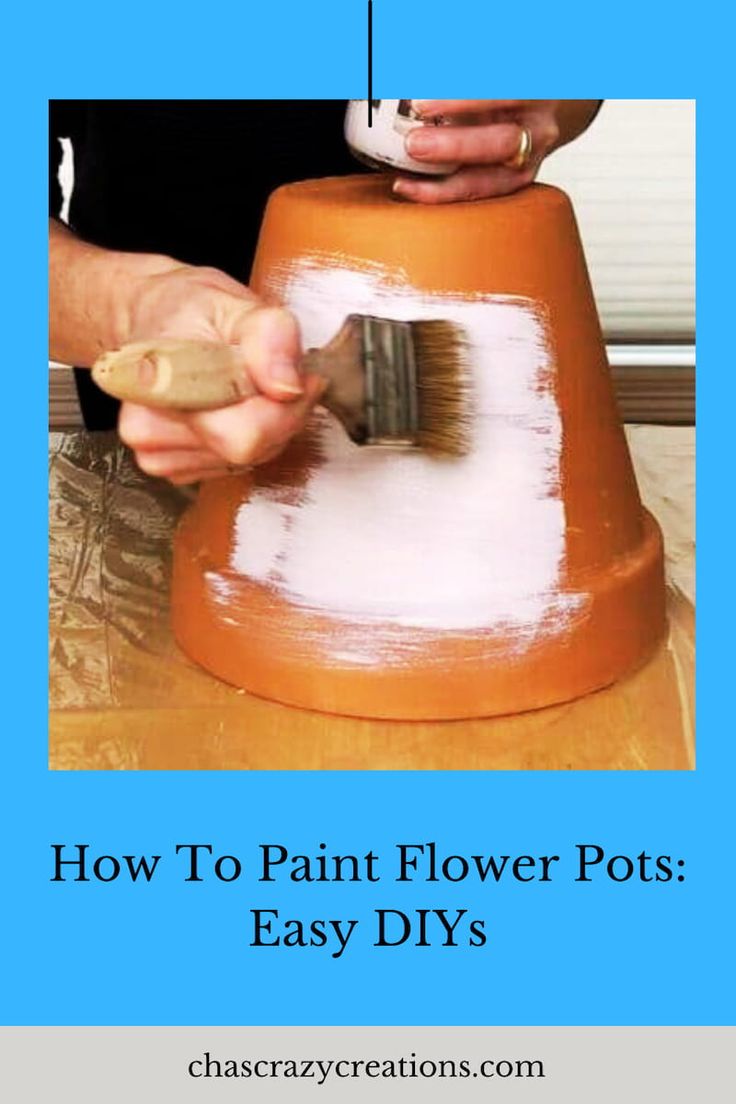
- Application: Apply ceramic paints using a brush, dip, or spray method, depending on the desired effect. For underglazes, multiple thin coats are often better than one thick coat to achieve even coverage and vibrant colors.
- Drying Time: Allow each coat of paint to dry completely before applying the next. This can take anywhere from 15 minutes to several hours, depending on the paint and your studio environment.
- Firing: Once your pottery is completely dry, it's time to fire it in your kiln. Follow the manufacturer's instructions for the appropriate firing temperature and duration for your chosen ceramic paints.
Combining Ceramic Paints for Unique Effects
Don't be afraid to experiment with different types and colors of ceramic paints to create unique, one-of-a-kind pieces. Here are some ideas to inspire your creativity:
- Layering Underglazes: Apply multiple underglazes in thin layers to create custom colors, textures, and effects.
- Sgraffito: Scratch through wet underglazes to reveal the underlying color or bisqueware, creating intricate patterns and designs.
- Sponge Painting: Use a sponge to dab or stipple underglazes onto your pottery, creating a textured, mottled effect.
- Wax Resist: Apply wax resist to your pottery before applying underglazes, creating areas where the paint cannot adhere and revealing the underlying color or bisqueware.
Embracing these techniques and experimenting with different ceramic paints will help you develop your unique artistic style and create stunning, hand-painted pottery pieces.
Conclusion
Choosing the right paint for your ceramic pots is essential for achieving beautiful, durable results. By understanding the different types of ceramic paints and selecting high-quality products, you'll be well on your way to creating stunning, hand-painted pottery. Don't be afraid to experiment with different techniques and effects to make your pieces truly unique. Happy painting!


Related Articles

The Ultimate Guide to Choosing the Perfect Black Paint for Your Doors
Choosing the Perfect Black for Your Door: A Comprehensive Guide When it comes to painting your door, the color you choose can significantly impact your home's...

Brighten Low Light: The Ultimate Guide to Choosing the Perfect Room Paint Color
Maximizing Ambiance: Choosing the Right Color for a Room with Low Light When dealing with a room that's naturally low on light, selecting the right color...
The Ultimate Guide to Choosing the Perfect Paint for Ceramics
When it comes to painting ceramics, choosing the right type of paint is crucial for achieving a durable, long-lasting finish. With a wide variety of options...

The Ultimate Guide to Choosing the Perfect Paint Finish for Your Dresser
Choosing the Perfect Paint Finish for Your Dresser: A Comprehensive Guide When it comes to transforming a dresser, choosing the right paint finish can make all...

The Ultimate Guide to Choosing the Perfect Color for Your Concrete Floor
When it comes to transforming your space, the color of your concrete floor can make a significant impact. But with a myriad of options available, choosing the...

The Ultimate Guide to Choosing the Perfect Color for Your Concrete Porch
Transforming Your Space: Choosing the Perfect Color for Your Concrete Porch Your concrete porch is more than just a functional entryway; it's an extension of...